Trucking Safety and Security for After Hours
For truck drivers, safety doesn’t stop when the truck is parked. In many cases, some of the biggest security risks happen after hours, during overnight parking, late-night deliveries, or rest breaks away from busy areas.
From cargo theft to personal safety concerns, understanding how to stay secure after hours is an important part of building a successful trucking career. The combination of smart habits, proper training, and secure environments can significantly reduce risk both on and off the road.
Why After-Hours Security Matters in Trucking
Truck drivers often operate during early morning, overnight, or low-visibility hours. During these times, parking lots, truck stops, warehouses, and distribution yards may have reduced staffing or limited activity.
This creates opportunities for:
- Cargo theft
- Equipment theft
- Unauthorized access
- Driver safety risks
- Property damage or vandalism
Security awareness becomes especially important when drivers are parked for extended periods or carrying high-value freight.
If you want a broader look at how security impacts the industry overall, this article explores the topic further: Why Security Matters in the Trucking Industry.
Choose Safe and Well-Lit Parking Areas
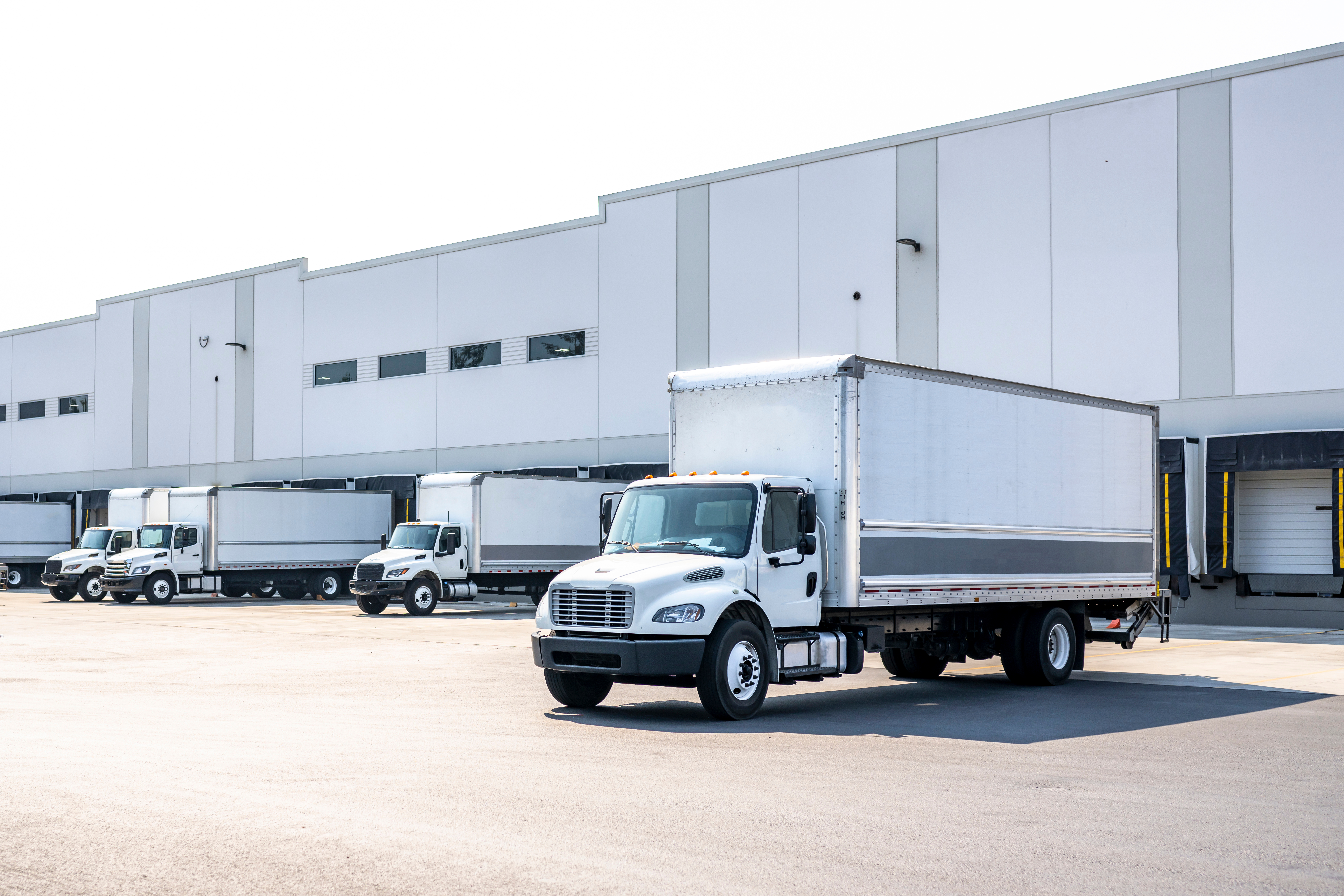
One of the most important after-hours safety habits is choosing secure parking locations whenever possible. Drivers should look for:
- Well-lit parking lots
- High-traffic areas
- Facilities with surveillance cameras
- Secure access controls
- Designated truck parking locations
Parking in isolated or poorly monitored areas can increase both theft risk and personal safety concerns. Planning routes ahead of time can help reduce the need for last-minute parking decisions late at night.
Stay Aware of Your Surroundings
Situational awareness is critical, especially during overnight stops or unfamiliar routes. Drivers should pay attention to:
- Suspicious activity near the truck
- Vehicles lingering nearby
- Unusual behavior around loading or parking areas
If something feels unsafe, it’s always better to relocate or notify facility staff when possible.
These habits are often reinforced during CDL training and safety instruction: C1 Truck Driving Schools.
Secure Your Truck and Cargo
Cargo theft often happens during overnight parking or unattended downtime. Taking a few extra precautions can make a major difference. Best practices include:
- Locking doors and trailers
- Using high-quality trailer locks
- Avoiding unnecessary disclosure of load details
- Parking trailer doors against barriers when possible
Security is one of the most overlooked parts of trucking safety, but it plays a major role in protecting both drivers and freight. For more on trucking security risks, visit: Exploring Security Challenges in Trucking.
Surveillance Systems Help Protect Facilities and Equipment
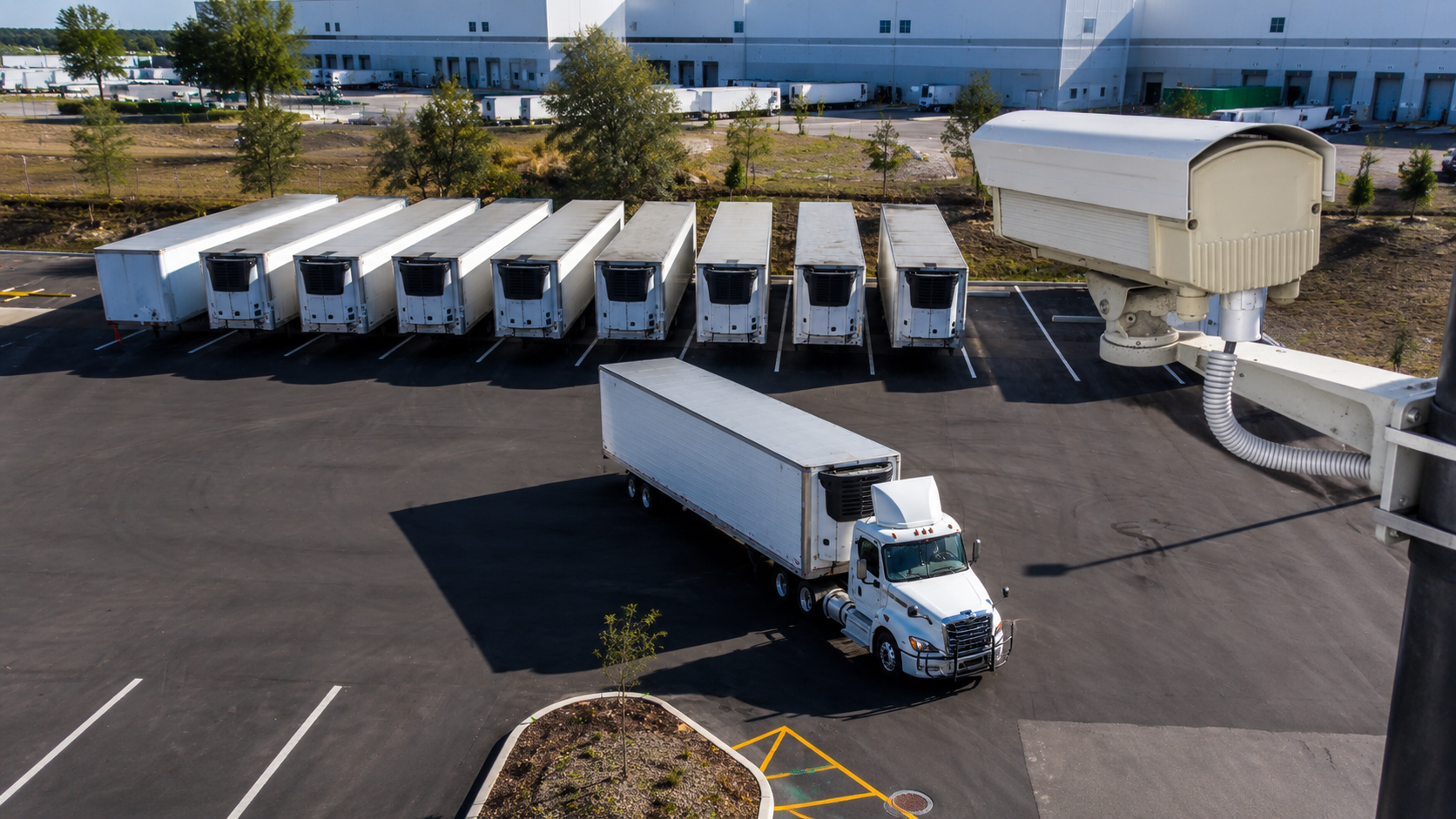
Facilities with strong surveillance systems create safer environments for both drivers and operations. Security cameras help:
- Monitor parking areas
- Track vehicle movement
- Deter theft and trespassing
- Provide evidence if incidents occur
Modern security systems are especially valuable at:
- Freight terminals
- Truck yards
- Warehouses
- Distribution centers
Facility Maintenance Plays a Major Role in Security
Security systems are only effective when they are maintained properly. Broken cameras, faulty lighting, or disconnected alarm systems can create vulnerabilities that increase risk after hours.
Routine maintenance helps ensure:
- Cameras remain operational
- Monitoring systems stay connected
- Access controls function correctly
- Potential issues are identified early
Personal Safety Matters Too
Truck drivers should also prioritize their own personal safety during overnight stops. Helpful habits include:
- Keeping phones charged and accessible
- Avoiding unnecessary interactions in isolated areas
- Staying inside the truck if a situation feels unsafe
- Letting dispatch or family know your location
Long hours and fatigue can also reduce awareness, making rest and proper sleep management especially important. If you’re looking to improve overall driver wellness, this guide may help: How to Manage Sleep as a Truck Driver.

Secure Facilities Help Create Safer Operations
Facilities with strong security measures help reduce risk for everyone involved in the supply chain. Features like:
- Controlled gate access
- Security personnel
- Proper lighting
- Surveillance systems
- Clearly monitored parking areas
all contribute to a safer environment for drivers, freight, and equipment.
Training and Awareness Go Together
Strong training helps drivers build the habits needed to stay safe both on the road and during after-hours operations. Professional CDL programs reinforce:
- Situational awareness
- Defensive driving
- Safe parking practices
- Load security procedures
- Industry compliance standards
If you’re preparing for a career in trucking or looking to strengthen your foundation, you can explore your options here: C1 Admissions.
Safety Doesn’t End When the Truck Stops
In trucking, safety is a 24/7 responsibility. What happens after hours can be just as important as what happens while driving. By choosing secure locations, staying alert, protecting your equipment, and understanding the importance of security systems, drivers can reduce risk and create a safer experience on and off the road.
The best drivers don’t just think about safety while driving, they carry that mindset through every part of the job.