How Ongoing Education Keeps CDL Drivers Competitive
Earning a Commercial Driver’s License is an important milestone, but it is only the beginning of a professional driving career. The trucking industry continues to evolve as regulations change, technology advances, equipment improves, and new career opportunities emerge. For CDL drivers, ongoing education can be an important part of staying safe, qualified, and competitive throughout their careers.
Whether that means earning a new CDL endorsement, completing refresher training, learning new technology, or staying current on industry regulations, continuing to build your skills can create opportunities for career growth.
Here’s how ongoing education can help CDL drivers remain competitive in a changing trucking industry.
Your CDL Is the Foundation, Not the Finish Line
CDL training provides the foundational skills needed to safely operate a commercial motor vehicle. Drivers learn vehicle control, inspections, backing maneuvers, safety procedures, regulations, and other essential skills before entering the workforce.
But professional development does not stop after passing the CDL skills test. As drivers gain experience, they may discover new career paths that require additional qualifications or skills. Others may spend time away from the industry and need to refresh their knowledge before returning to the road.
For new drivers, understanding the initial training process is a good place to start. Learn more in our guide to Entry-Level Driver Training (ELDT).
CDL Endorsements Can Expand Your Career Options
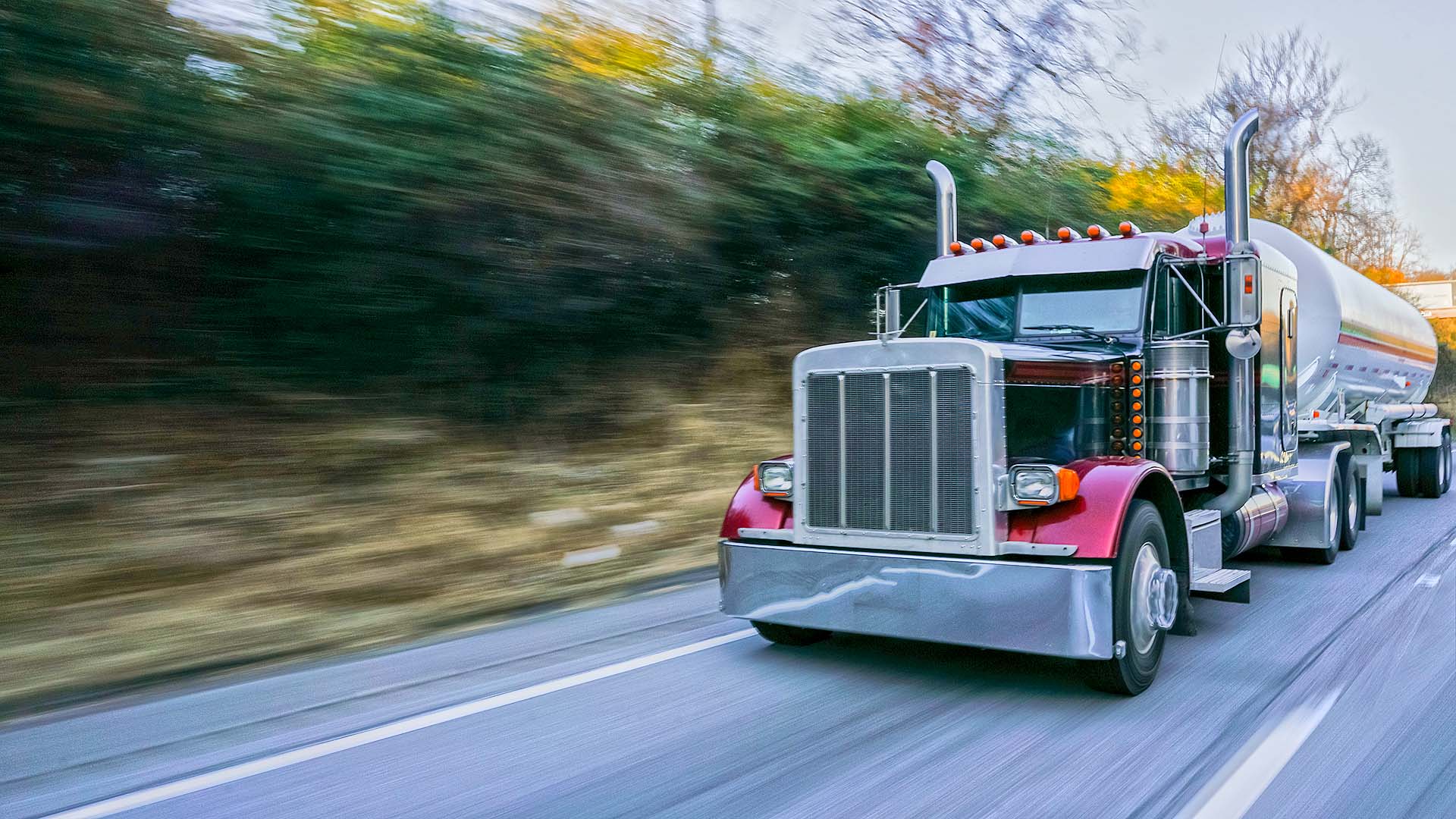
One of the most direct ways CDL drivers can continue their education is by adding endorsements to their license. Depending on your career goals, endorsements can qualify you to operate different vehicles or transport specialized freight.
Hazmat Endorsement
A Hazmat (H) endorsement allows qualified CDL drivers to transport hazardous materials that require placarding. Drivers pursuing this endorsement must meet additional federal requirements, including completing required Hazmat ELDT theory training.
C1 offers ELDT Hazmat Theory Training for drivers looking to take this next step. You can also review the Hazmat endorsement process before getting started.
Passenger Endorsement
Drivers interested in operating certain passenger vehicles may need a Passenger (P) endorsement. This can open career opportunities involving buses, shuttles, motorcoaches, and other passenger transportation.
Learn more about Passenger endorsement training and ELDT Passenger Theory Training.
School Bus Endorsement
Drivers interested in transporting students may need both Passenger and School Bus endorsements, depending on the vehicle and position.
C1 offers ELDT School Bus Theory Training to help drivers meet applicable training requirements. Additional endorsements can give drivers greater flexibility when evaluating future job opportunities. For a broader comparison, read our guide to CDL endorsements that pay the most.
Refresher Training Can Help Experienced Drivers Return to the Road
Not every driver seeking additional education is pursuing a new endorsement. Some CDL holders already have experience but have spent time away from professional driving. Others may want additional behind-the-wheel practice before applying for a new position.
A CDL refresher course can help drivers rebuild confidence and revisit important skills such as:
- Vehicle inspections
- Backing and maneuvering
- Road driving
- Vehicle control
- Safety procedures
This can be particularly valuable for drivers returning to trucking after an extended absence or those who want additional practice before beginning a new role. Learn more about CDL refresher courses.
Staying Current on Regulations Is Part of Being a Professional Driver
Commercial drivers operate in a highly regulated industry. Federal and state requirements affect everything from Hours of Service and vehicle inspections to licensing and specialized freight. Regulations can change throughout a driver's career.
Professional drivers should stay informed about requirements that affect their work, particularly when changing carriers, operating different equipment, or pursuing new endorsements. Ongoing education helps drivers understand not only how to operate a commercial vehicle, but also the responsibilities that come with doing so professionally.
Technology Continues to Change Trucking
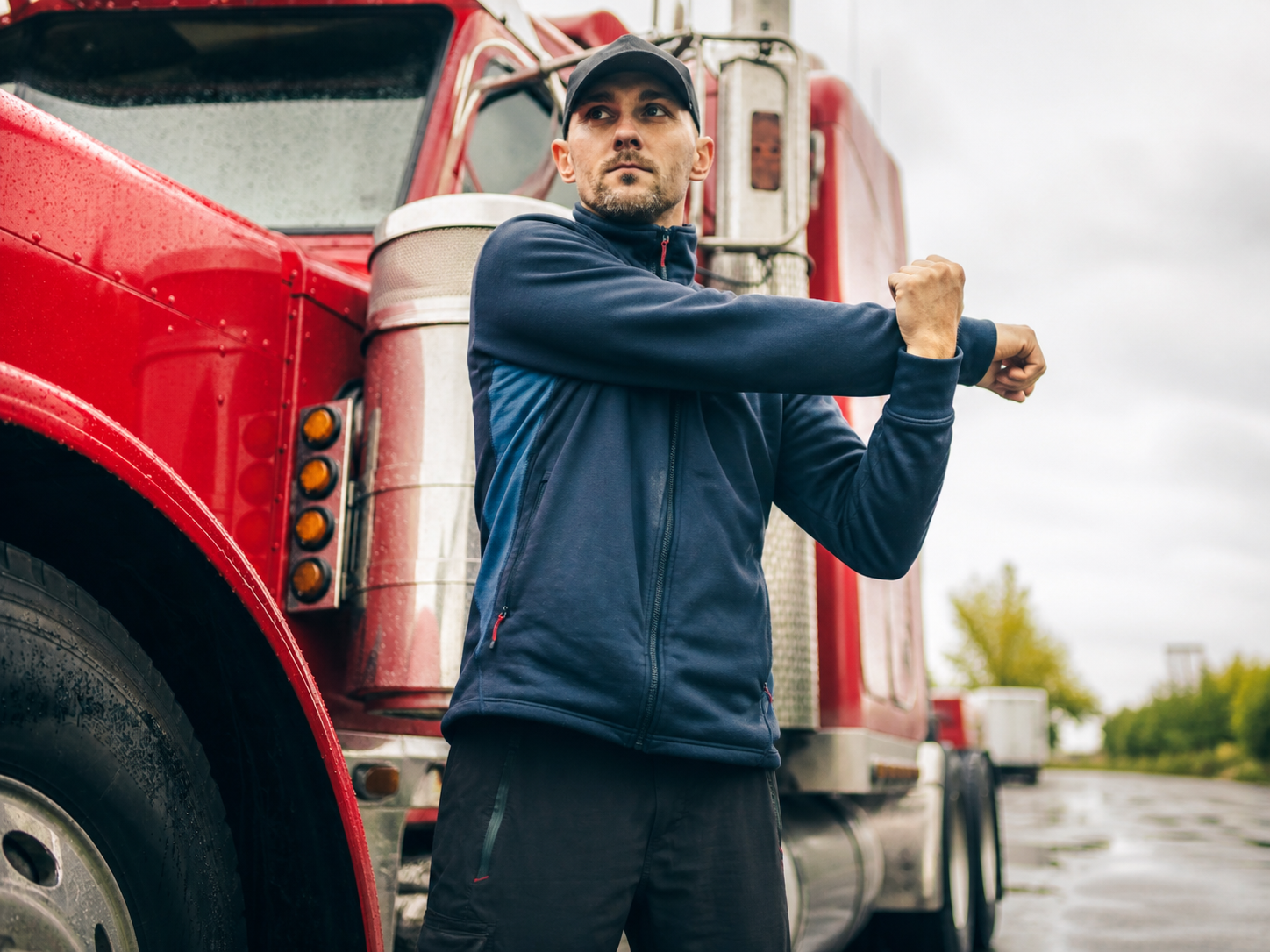
Today's commercial vehicles can look very different from the trucks drivers operated a few decades ago. Modern fleets may use technology such as:
- Electronic logging devices
- Collision mitigation systems
- GPS and route management technology
- Lane departure warnings
- Driver monitoring systems
- Advanced fleet management platforms
- Automated and automatic transmission systems
Drivers who are comfortable learning new systems may be better prepared to transition between equipment, fleets, and employers throughout their careers. Technology does not eliminate the need for skilled professional drivers. Instead, it changes some of the tools drivers use to perform their jobs safely and efficiently.
Safety Skills Should Continue to Develop
Safe driving habits are built through training, experience, and continued attention. Even experienced drivers can benefit from reviewing fundamental safety practices such as maintaining following distance, managing speed, monitoring blind spots, inspecting equipment, and adapting to changing road conditions.
Professional drivers also encounter situations that cannot be perfectly recreated during initial CDL training. Experience with weather, heavy traffic, unfamiliar routes, different equipment, and challenging delivery environments helps drivers continue developing their judgment over time.
For a refresher on some of the fundamentals, read our trucking safety tips.
Continuing Education Can Help You Pursue Specialized Trucking Careers
As drivers gain experience, they may decide they want something different from their careers. A driver who begins with dry van freight, for example, may eventually become interested in tanker transportation, Hazmat hauling, passenger transportation, or another specialized field.
These opportunities can require additional:
- Endorsements
- Training
- Experience
- Safety knowledge
- Employer-specific qualifications
Continuing education gives drivers the flexibility to adapt their careers instead of remaining limited to the qualifications they earned when they first entered the industry.
It also helps when evaluating job listings. Understanding endorsements, equipment, pay structures, and experience requirements can make it easier to identify positions that match your qualifications. Our guide on how to read trucking job listings can help.
Professional Development Can Make You More Versatile
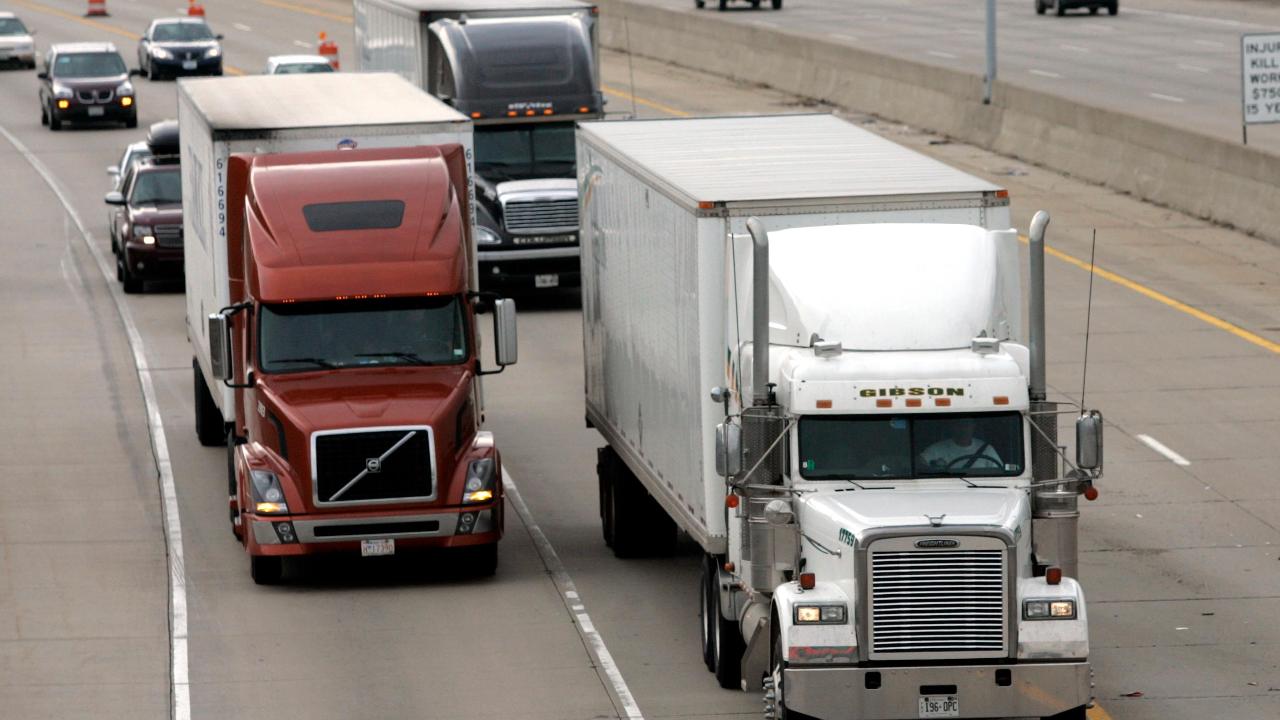
The more skills and qualifications you develop, the more types of opportunities you may be able to consider. A driver with additional endorsements, strong safety habits, current industry knowledge, and experience with different equipment can bring more versatility to an employer.
That does not mean every driver needs every endorsement available. Ongoing education should support your individual career goals. A local driver may have very different professional development needs than an OTR driver, school bus driver, or Hazmat tanker driver.
The key is continuing to identify the skills that can help you move toward the type of career you want.
Keep Building on Your CDL Career
Getting your CDL opens the door to the trucking industry, but what you do after earning it can shape where your career goes next. Continuing education can help professional drivers stay current, strengthen their skills, pursue specialized opportunities, and adapt as the transportation industry changes.
Whether you're adding an endorsement, refreshing your driving skills, learning new technology, or simply staying informed about changing regulations, continued learning is an investment in your career.
If you're ready to expand your CDL qualifications, explore C1 Truck Driver Training programs or connect with the C1 admissions team to learn more about available training options.