How to Read Trucking Job Listings
After earning your CDL, one of the most important decisions you'll make is choosing your first trucking job. With hundreds of carriers advertising opportunities online, it can be difficult to determine which positions are genuinely a good fit and which may not align with your goals.
Learning how to read and evaluate trucking job listings can help you make informed decisions about your career, earning potential, home time, and long-term opportunities. Whether you're a new CDL graduate or an experienced driver exploring new opportunities, here's how to understand what trucking job ads are really telling you.
Start with the Type of Driving Position
One of the first things to identify in any trucking job listing is the type of position being offered. Common categories include:
Local Driving Jobs
Local drivers typically:
- Return home daily
- Operate within a specific geographic area
- Handle shorter routes
These positions often appeal to drivers who prioritize consistent home time.
Regional Driving Jobs
Regional drivers generally:
- Operate within a multi-state area
- Spend several nights away from home
- Follow predictable routes
Regional jobs often provide a balance between home time and earning potential.
OTR (Over-the-Road) Jobs
OTR drivers:
- Travel across larger portions of the country
- Stay on the road for extended periods
- Typically log higher mileage
These positions may offer greater earning opportunities but require more time away from home.
If you're comparing these options, this guide can help: Local vs. OTR Trucking Jobs: Pros and Cons.
Understand the Pay Structure
One of the most misunderstood parts of trucking job listings is compensation. Different carriers may advertise pay in different ways.
CPM (Cents Per Mile)
Many trucking jobs advertise pay using CPM. For example:
- $0.50 per mile
- $0.60 per mile
- $0.70 per mile
While CPM is important, it doesn't tell the full story. You should also consider:
- Average weekly miles
- Route consistency
- Available freight
- Downtime
Salary or Hourly Pay
Some local and specialized positions offer:
- Hourly pay
- Weekly salary
- Daily rates
These structures can provide more predictable earnings depending on the role.
Pay Attention to Home Time
Home time is often one of the biggest factors affecting driver satisfaction. Common phrases include:
Home Daily: Drivers return home every day.
Home Weekly: Drivers typically return home once each week.
Out 10-14 Days: Drivers remain on the road for extended periods before returning home. Be sure the advertised home time aligns with your personal and family priorities.
Review Experience Requirements
Not every trucking job is open to newly licensed drivers. Pay attention to requirements such as:
- No experience required
- Recent CDL graduate welcome
- Six months experience required
- One year OTR experience required
If you're just beginning your career, focus on opportunities specifically designed for entry-level drivers.
If you're still working toward your CDL, start here: How to Get a CDL in 2026: Step-by-Step Guide for New Drivers.

Look for CDL Endorsement Requirements
Some jobs require endorsements beyond a standard CDL. Common examples include:
Hazmat Endorsement: Required for transporting regulated hazardous materials. Learn more in the Hazmat Endorsement Guide.
Tanker Endorsement: Often required for liquid bulk transportation.
Passenger Endorsement: Required for many bus and passenger transportation positions. Learn more about Passenger Endorsement Training.
School Bus Endorsement: Required for school transportation roles. Learn more in the School Bus Endorsement Guide.
Job listings that require endorsements often offer specialized career opportunities and, in some cases, higher earning potential.
Evaluate Benefits Beyond Pay
Pay is important, but it shouldn't be the only factor. Look for information about:
- Health insurance
- Retirement plans
- Paid time off
- Safety bonuses
- Performance incentives
- Tuition reimbursement
A slightly lower-paying position may provide stronger long-term value if benefits are significantly better.
Understand Equipment Information
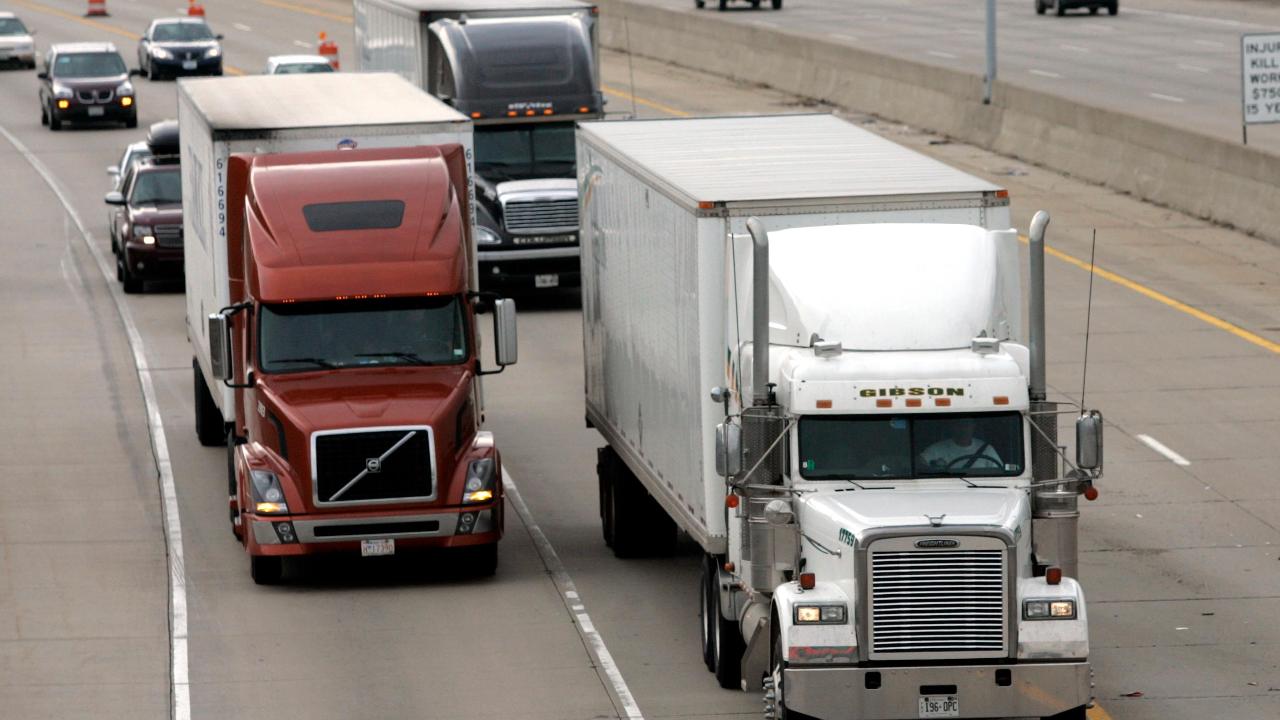
Many carriers include details about their equipment. Listings may mention:
- Automatic transmissions
- Late-model trucks
- Assigned equipment
- Safety technology
- Driver comfort features
For drivers spending significant time on the road, equipment quality can have a major impact on day-to-day job satisfaction.
Watch for Sponsored Training Opportunities
Some carriers help cover CDL training expenses through sponsorship programs. These programs are often advertised using terms like:
- Tuition reimbursement
- Sponsored training
- Training assistance
- Carrier-sponsored CDL training
Remember that sponsored training is generally not the same as being paid while attending school. Most sponsorship programs involve the carrier helping with training costs in exchange for a post-graduation driving commitment.
Learn more about how to get sponsored CDL training with a carrier.
Research the Carrier
Before applying, spend time researching the company. Look for:
- Driver reviews
- Safety reputation
- Equipment quality
- Training programs
- Career advancement opportunities
A job listing only tells part of the story. Doing additional research can help you avoid surprises later.

Think About Your Long-Term Goals
Your first trucking job does not have to be your forever job. When reviewing opportunities, consider:
- Where you want to be in one year
- Endorsements you may want to earn
- Specialized freight interests
- Preferred lifestyle and schedule
Choosing a position that supports future growth can help you build a stronger trucking career over time.
If you're interested in expanding your qualifications, this guide may help: CDL Endorsements That Pay the Most in 2026.
Build the Skills Employers Are Looking For
The best way to qualify for quality trucking opportunities is through professional CDL training. Training helps students develop:
- Safe driving habits
- Inspection skills
- Vehicle control
- Regulatory knowledge
- Professional confidence
These are the skills carriers look for when hiring new drivers.
If you're exploring CDL training options, visit C1 Truck Driving Schools.
And if you're preparing to start training, this guide explains what to expect: What to Expect on Your First Day of CDL School.
The Right Job Listing Can Lead to the Right Career
Trucking job listings contain much more than pay numbers and job titles. They provide valuable insight into a carrier's expectations, opportunities, schedules, and culture. By learning how to evaluate pay structures, home time, endorsement requirements, benefits, and career paths, you can make more informed decisions and find opportunities that align with your goals.
The trucking industry offers a wide range of career options, and understanding job listings is one of the first steps toward finding the right fit. To learn more about earning your CDL and preparing for employment opportunities, connect with the C1 Admissions team.
The more you understand about trucking jobs before you apply, the more confident you'll be when choosing the next step in your career.