How to Upgrade from Class B to Class A CDL
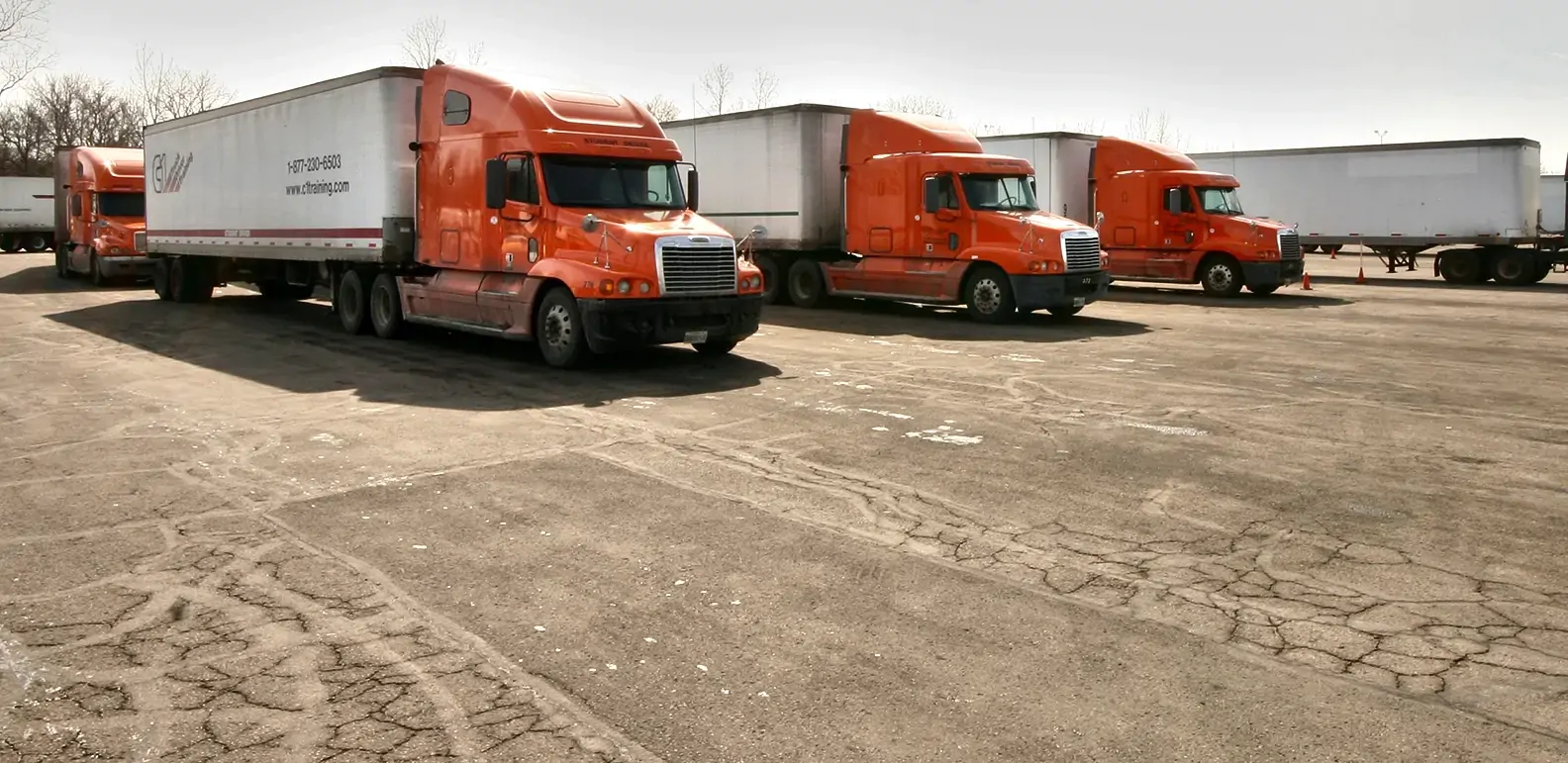
If you currently hold a Class B Commercial Driver’s License (CDL) and are looking to expand your opportunities, upgrading to a Class A CDL is a smart next step. A Class A license allows you to operate combination vehicles like tractor-trailers and opens the door to higher-paying roles, long-haul routes, and greater career flexibility.
Understanding the upgrade process can help you move forward with confidence and avoid unnecessary delays.
What’s the Difference Between Class B and Class A CDL?
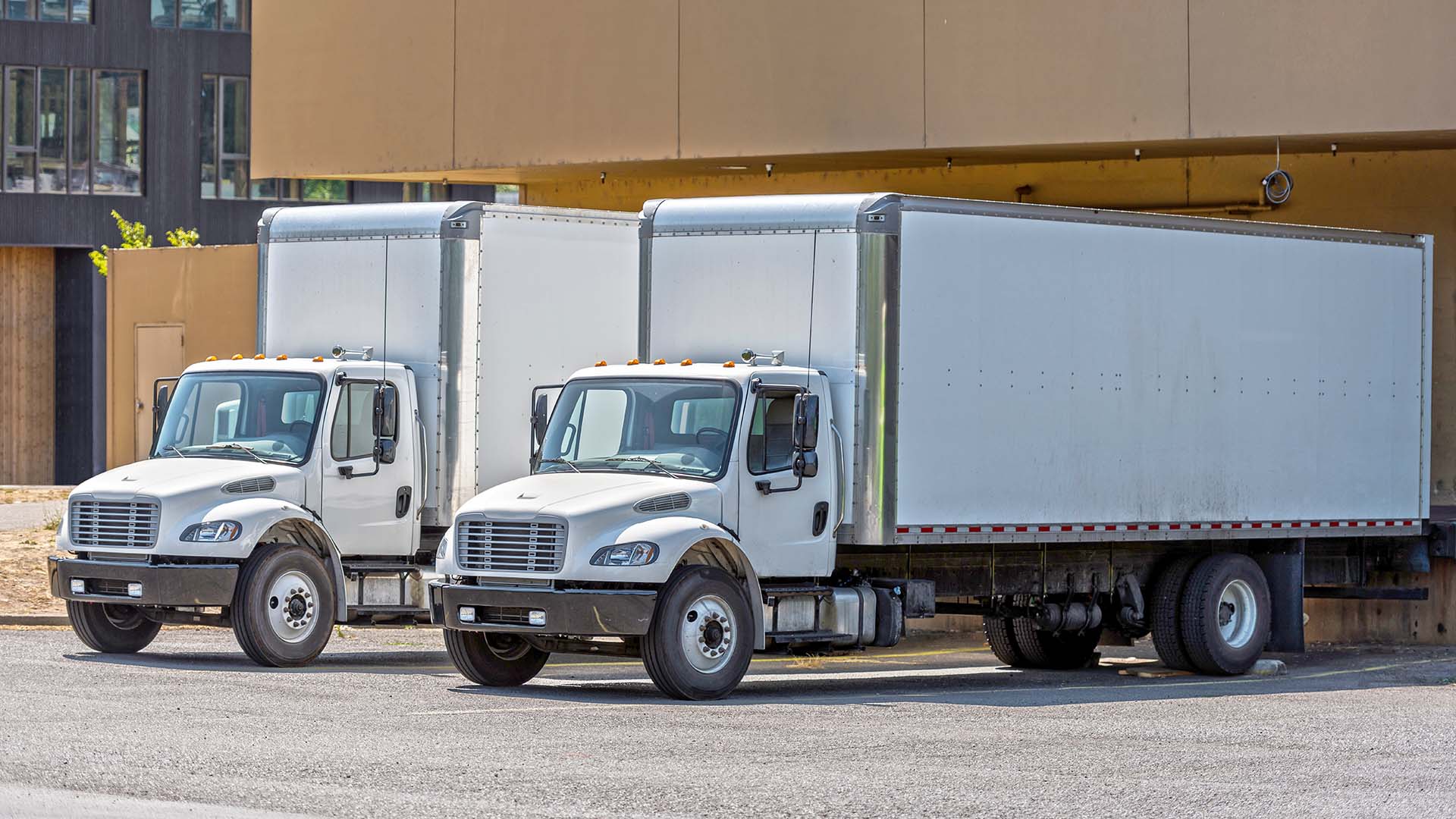
A Class B CDL allows you to operate single vehicles such as straight trucks, dump trucks, and buses, while a Class A CDL qualifies you to drive combination vehicles where the towed unit exceeds 10,000 pounds. This includes tractor-trailers, flatbeds, tankers, and other heavy-haul configurations.
If you want a deeper breakdown of the differences, you can explore Class A vs. Class B CDL: Which License Do You Need?.
Why Upgrade to a Class A CDL?
Many drivers choose to upgrade because a Class A CDL significantly expands career options. With a Class A license, you can qualify for over-the-road (OTR), regional, and specialized hauling jobs that are not available with a Class B CDL.
In many cases, Class A drivers also have higher earning potential, especially when combined with endorsements like Hazmat or Tanker. You can learn more about high-paying endorsements here: CDL Endorsements That Pay the Most in 2026.
Step 1: Meet ELDT Requirements
To upgrade from a Class B to a Class A CDL, you must complete Entry-Level Driver Training (ELDT) through an FMCSA-registered provider. This is a federal requirement and applies to all drivers making the upgrade.
ELDT includes both theory instruction and behind-the-wheel training specific to Class A vehicles. Completion must be recorded in the FMCSA Training Provider Registry before you can take the skills test.
You can review Class A ELDT training options here: Class A ELDT Theory Training.
Step 2: Obtain or Update Your Commercial Learner’s Permit (CLP)
Even if you already have a CDL, you may need to update your Commercial Learner’s Permit to reflect Class A qualifications. This typically involves passing additional written knowledge tests, such as combination vehicle and air brake exams if not already completed.
Holding your CLP for the required period allows you to begin hands-on training and prepare for the skills test.
Step 3: Complete Behind-the-Wheel Training
Upgrading to a Class A CDL requires hands-on experience operating combination vehicles. This includes range training for maneuvers like backing and coupling, as well as road training in real traffic conditions.
This step is critical for building the skills needed to safely operate larger, more complex equipment.
If you’re looking for a full training program, you can explore options here: CDL Training Programs.
Step 4: Pass the CDL Skills Test
Once you’ve completed ELDT and gained the necessary experience, you’ll take the Class A CDL skills test. This test includes a pre-trip inspection, basic vehicle control, and an on-road driving portion.
Passing this test qualifies you for your Class A license and allows you to begin applying for new driving roles.
Step 5: Consider Adding Endorsements
After upgrading, many drivers choose to add endorsements to further increase their opportunities. Options like Hazmat, Tanker, and Passenger endorsements can make you more competitive and open the door to specialized freight.
For example, you can explore Hazmat requirements here: Hazmat Endorsement Guide.

How Long Does It Take to Upgrade?
The timeline for upgrading from Class B to Class A can vary depending on your schedule and training program. Many full-time programs can be completed in a matter of weeks, while part-time options may take longer.
The key factor is completing both ELDT requirements and behind-the-wheel training before scheduling your test.
Getting Started
If you’re ready to upgrade your CDL, the first step is speaking with a training provider to determine your eligibility and next steps.
You can connect with admissions here: C1 Admissions.
They can help you understand your current license status, required training, and the fastest path to upgrading.
Final Thoughts
Upgrading from a Class B to a Class A CDL is one of the most effective ways to expand your career in trucking. With the right training and preparation, you can qualify for higher-paying roles, more flexible routes, and long-term growth opportunities.
By completing ELDT requirements, gaining hands-on experience, and passing your skills test, you can take the next step in your driving career with confidence.