When starting a career in trucking, one of the most important decisions you’ll make is whether to drive solo or as part of a team.
Both options offer strong earning potential and career growth, but they come with very different day-to-day experiences. Understanding the differences between solo vs. team driving can help you choose the path that fits your lifestyle, income goals, and personality.
If you’re still in the early stages of your journey, this step-by-step guide can help you understand how to get started: How to Get a CDL in 2026: Step-by-Step Guide for New Drivers
What Is Solo Driving?
Solo driving means you are the only driver responsible for the truck, route, and schedule. You’ll operate independently, managing your driving hours, rest breaks, and delivery timelines on your own.
Most solo drivers run either local, regional, or OTR routes depending on their preferences and experience level.
What Is Team Driving?
Team driving involves two drivers sharing one truck and alternating driving shifts. While one driver is behind the wheel, the other rests, allowing the truck to keep moving for longer periods.
Team driving is most common in long-haul (OTR) freight where speed and efficiency are critical.
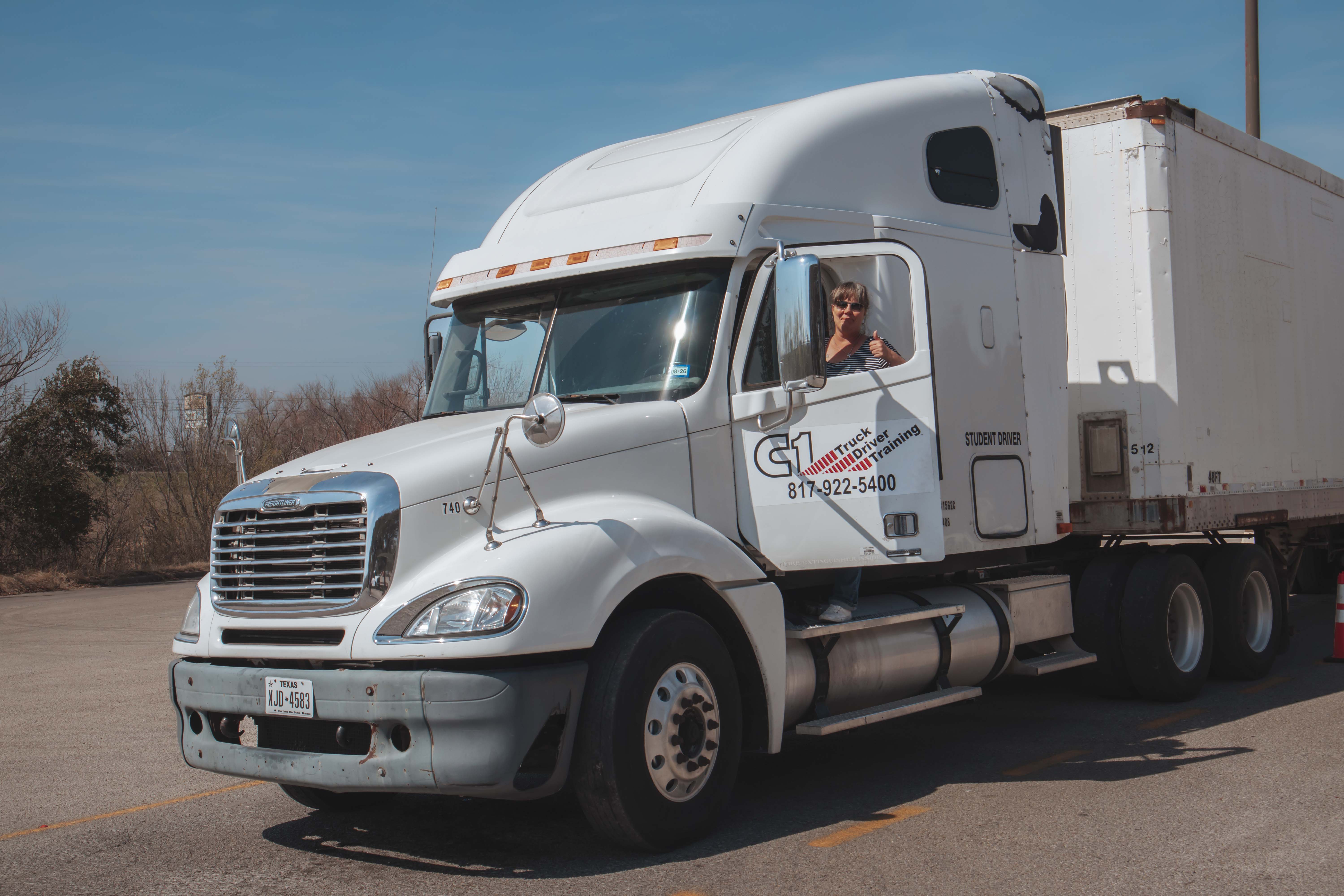
Pros of Solo Driving
1. Full Independence and Control
Solo drivers have complete control over their schedule, driving style, and daily routine. You can decide when to take breaks, how to manage your time, and how you prefer to operate on the road. For many drivers, this independence is one of the biggest advantages of trucking.
2. More Personal Space
Driving solo means the truck is your space. You don’t have to share a cab, coordinate sleep schedules, or adjust to someone else’s habits. This can make long trips more comfortable, especially for drivers who value privacy and quiet time.
3. Flexible Career Paths
Solo drivers have more flexibility to switch between local, regional, and OTR roles. Whether you want to be home daily or travel across the country, solo driving allows you to adjust your career as your lifestyle changes.
Cons of Solo Driving
1. Lower Maximum Earning Potential
While solo drivers can still earn strong income, team drivers often have higher earning potential because the truck stays in motion longer. Since solo drivers must stop for required rest periods, they may cover fewer miles overall.
2. Increased Responsibility
As a solo driver, everything falls on you. From route planning to problem-solving on the road, you are solely responsible for decisions and outcomes. This can be rewarding, but it also adds pressure, especially for newer drivers.
3. Longer Delivery Times
Because of Hours of Service (HOS) regulations, solo drivers must take mandatory breaks, which can slow down delivery timelines. This can limit access to certain high-priority or expedited loads.
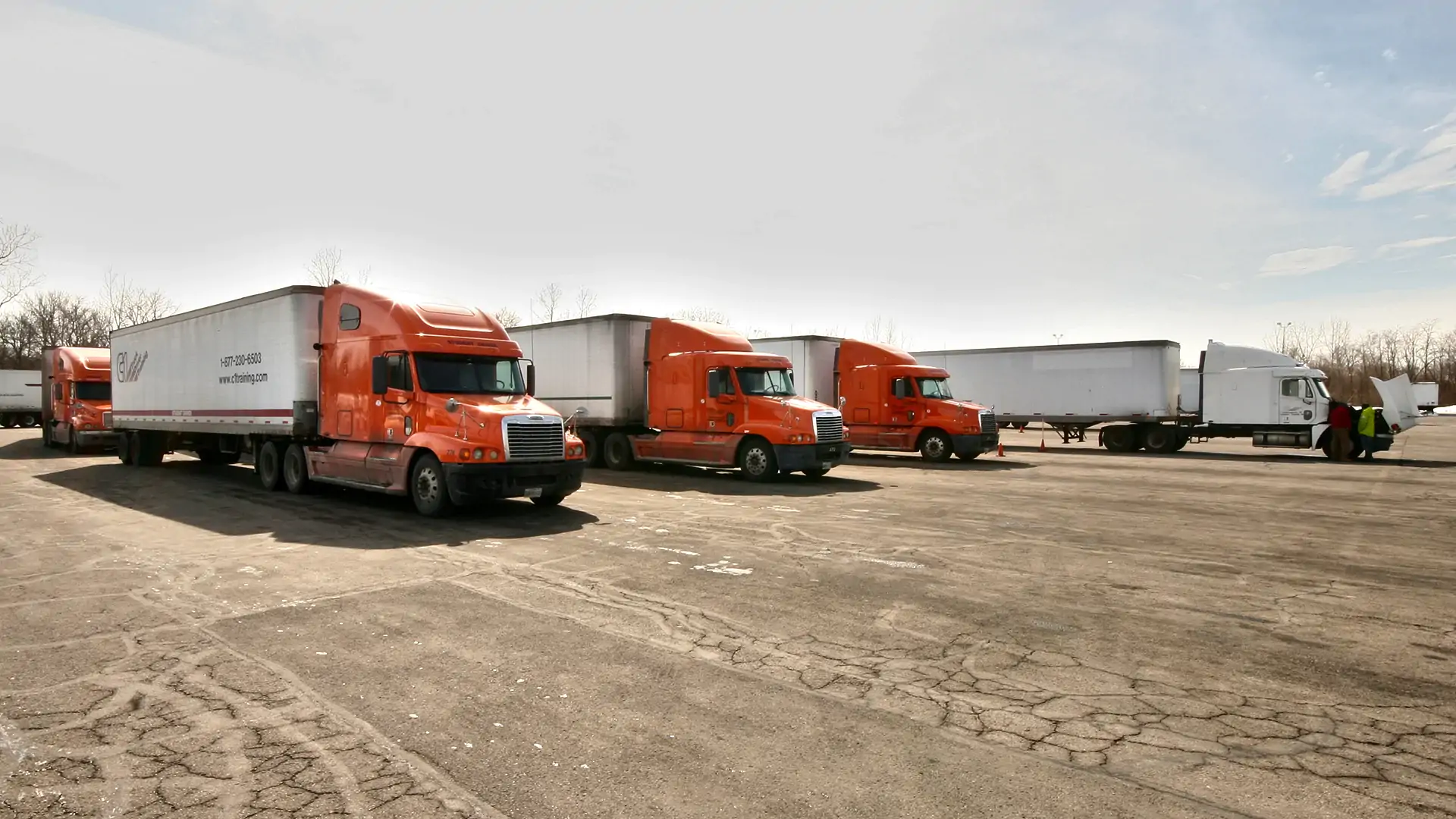
Pros of Team Driving
1. Higher Earning Potential
Team driving is often one of the fastest ways to increase your income in trucking. Because two drivers can keep the truck moving nearly around the clock, teams can cover significantly more miles and qualify for higher-paying loads.
2. Faster Deliveries and Premium Freight
Many companies rely on team drivers for time-sensitive or expedited freight. These loads often come with higher pay and consistent demand, making team driving an attractive option for drivers focused on maximizing income.
3. Shared Responsibility
With two drivers, responsibilities like navigation, communication, and problem-solving are shared. This can reduce stress, especially on long hauls, and provide support when challenges arise on the road.
Cons of Team Driving
1. Limited Personal Space
Sharing a truck means sharing a small living and working environment for extended periods. You’ll need to be comfortable with close quarters, different habits, and limited alone time.
2. Schedule Coordination
Team driving requires strong coordination between drivers. Sleep schedules, driving shifts, and daily routines must align to keep operations running smoothly. If communication breaks down, it can create tension or inefficiencies.
3. Compatibility Matters
Not every driving pair works well together. Differences in personality, cleanliness, communication style, or work habits can impact the experience. Choosing the right partner is critical to long-term success in team driving.
Solo vs. Team Driving: Side-by-Side Comparison
| Factor | Solo Driving | Team Driving |
|---|---|---|
| Income Potential | Moderate to high | High to very high |
| Independence | Full control | Shared responsibility |
| Home Time | More flexible options | Typically less frequent |
| Space | Private | Shared |
| Delivery Speed | Slower (regulated breaks) | Faster (continuous driving) |
| Work Style | Independent | Collaborative |
Which Option Is Right for You?
Choosing between solo and team driving comes down to your priorities.
Solo driving may be right if you:
- Value independence and control
- Prefer privacy and personal space
- Want flexibility in your schedule
Team driving may be right if you:
- Want to maximize earning potential
- Are comfortable working closely with a partner
- Prefer faster-paced, long-haul routes
Many drivers start solo and later transition into team driving, or vice versa, depending on their goals.
How to Get Started
No matter which path you choose, the first step is earning your CDL through a reputable training program.
You can explore training options here: Truck Driving Schools
If you’re ready to move forward, you can connect with admissions to plan your next steps: Admissions
Finding the Driving Style That Works for You
Solo and team driving both offer real opportunities in the trucking industry, but they create very different day-to-day experiences. One gives you independence and control, while the other offers higher earning potential and shared responsibility.
The right choice depends on how you prefer to work, how you want to live on the road, and what you want your trucking career to look like long term.