How to Get Sponsored CDL Training with a Carrier
For many people interested in becoming a truck driver, the biggest question is simple: "How do I pay for CDL training?"
One option that new drivers often explore is shared-cost CDL training. These programs can help reduce upfront training costs by partnering students with trucking companies willing to help cover a portion of the student's tuition expenses.
However, there's one important misconception to clear up immediately: sponsored CDL training is not the same as paid CDL training.
In most cases, students are not paid while attending CDL school. Instead, many carriers offer shared-cost tuition assistance programs that help cover training expenses, with loan repayment assistance provided over time as you continue your employment. The longer you stay with the carrier, the more financial assistance you may receive toward paying off your training costs.
If you're considering this path, here's what you need to know about how sponsored CDL training works and how to get started.
What Is Sponsored CDL Training?
Sponsored CDL training is an arrangement where a trucking carrier helps pay for some or all of a student's CDL training expenses.
Many of these programs are structured as shared-cost tuition assistance, where carriers provide loan repayment benefits as you build your career with them. In most cases, students:
- Begin their driving career with a participating carrier after graduation.
- Receive ongoing tuition repayment assistance while employed with that carrier.
- Pay down their training costs faster by remaining with the carrier and maximizing the available repayment benefits.
These programs are designed to help new drivers reduce their out-of-pocket training costs while providing a clear path from CDL school into their first driving job.
If you're new to the CDL process overall, this guide can help explain how training works: How to Get a CDL: Step-by-Step Guide for New Drivers.
Sponsored CDL Training vs. Paid CDL Training
| Sponsored CDL Training | Paid CDL Training |
|---|---|
|
In sponsored programs:
|
True paid training generally means:
|
Most CDL sponsorship programs fall into the first category, not the second. That distinction is important when planning financially for training and understanding your obligations after graduation.

How Carrier Sponsorship Programs Usually Work
While every carrier program is different, most follow a similar structure.
Step 1: Apply for CDL Training
Students begin by enrolling with a CDL school or training provider. You can explore training options here: C1 Truck Driving Schools.
Step 2: Connect With Carrier Partners
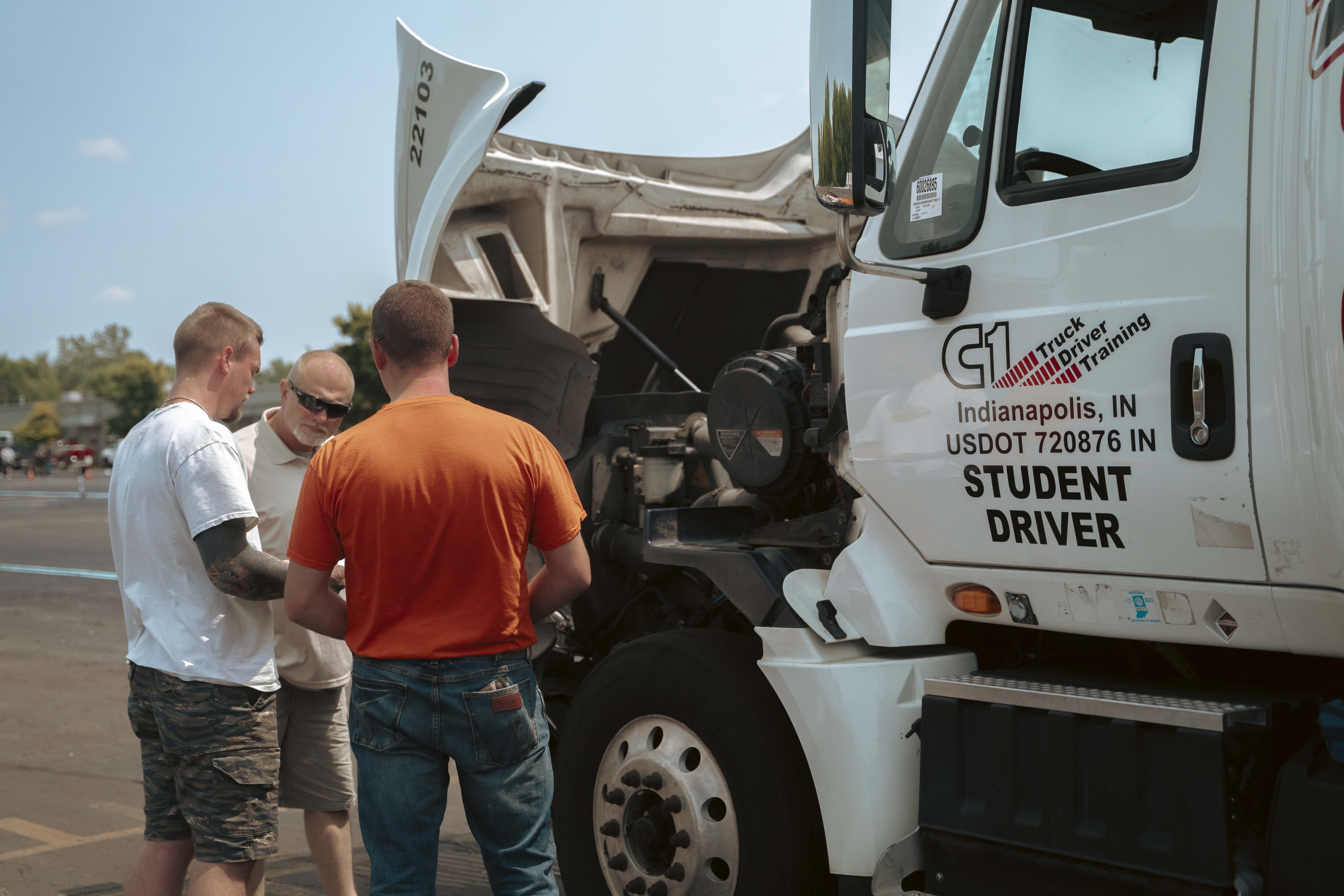
Some schools, including C1 Truck Driver Training, work with carriers that offer tuition assistance or sponsorship opportunities. These carriers may:
- Cover upfront tuition.
- Offer reimbursement after employment begins.
- Provide financing support.
- Help coordinate hiring after graduation.
Step 3: Complete CDL Training
Students still complete:
- ELDT theory instruction.
- Behind-the-wheel training.
- CDL permit testing.
- Skills testing.
Training requirements remain the same regardless of sponsorship status.
If you want a deeper understanding of ELDT requirements, this guide explains it further: What Is ELDT? A Complete Guide to Entry-Level Driver Training.
Step 4: Begin Employment With the Carrier
After earning a CDL, the student begins working for the sponsoring carrier under the terms of the agreement. These agreements commonly include:
- An employment agreement.
- Loan repayment assistance while you remain employed.
- Route or dispatch expectations.
Reading the agreement carefully before signing is extremely important.

Benefits of Sponsored CDL Training
Reduced Upfront Costs
For many students, sponsorship programs make CDL training more financially accessible.
Faster Career Entry
Carrier partnerships can often streamline the transition from training into employment.
Built-In Job Opportunity
Students often graduate with a direct path into a driving position rather than searching independently.
Things to Consider Before Signing a Sponsorship Agreement
Sponsored training can be a great option, but it's important to understand the full commitment.
Employment Agreements Matter
Many tuition assistance programs provide the greatest financial benefit to drivers who remain employed with the participating carrier over time.
Leaving early may result in:
- Remaining tuition balance becoming your responsibility.
- Reduced repayment assistance.
- Loss of future tuition reimbursement benefits.
Route Expectations May Vary
Some carriers primarily offer:
- OTR routes.
- Regional freight.
- Specific dispatch schedules.
Make sure the opportunity aligns with your goals and lifestyle.
If you're comparing different trucking lifestyles, this guide may help: Local vs. OTR Trucking Jobs: Pros and Cons.
CDL Training Still Requires Commitment
Even with sponsorship support, CDL training remains a serious commitment that requires:
- Consistent attendance.
- Safety awareness.
- Studying and preparation.
- Hands-on skill development.
How to Find Sponsored CDL Training
The easiest way to find sponsorship opportunities is to work with a CDL school that has established relationships with national and regional carriers.
Admissions teams can often help determine:
- Which carriers are currently offering tuition assistance.
- Which programs fit your goals.
- What qualifications may be required.
You can learn more or speak with an admissions advisor here: C1 Admissions.
Sponsored CDL Training Can Make Getting Started More Affordable
Shared-cost CDL training programs have helped thousands of new drivers begin successful trucking careers while reducing the financial burden of paying for school upfront.
Understanding how these programs work, what they require, and how they differ from paid CDL training allows you to make an informed decision that supports your long-term career goals.
With the right training provider and the right carrier partnership, sponsored CDL training can be an excellent first step toward a rewarding career in trucking.