Truck Stop Safety Tips Every Driver Should Know
Truck stops are an essential part of life on the road. They provide fuel, food, parking, rest facilities, and a place to take a break during long trips. While most truck stops are safe and well-maintained, they can also present unique security and safety challenges that every commercial driver should understand.
Whether you're a new CDL holder or a seasoned professional, practicing good truck stop safety habits can help protect you, your vehicle, your cargo, and your personal belongings.
Here are some truck stop safety tips every driver should know.
Stay Aware of Your Surroundings
One of the simplest and most effective safety habits is maintaining situational awareness. When arriving at a truck stop:
- Observe the parking area before exiting your vehicle
- Pay attention to unusual activity
- Be aware of who is around your truck
- Avoid distractions while walking through the lot
Many incidents occur because drivers become focused on their phones or other distractions instead of their surroundings. Developing strong awareness habits can help you identify potential issues before they become problems.
Park in Well-Lit Areas
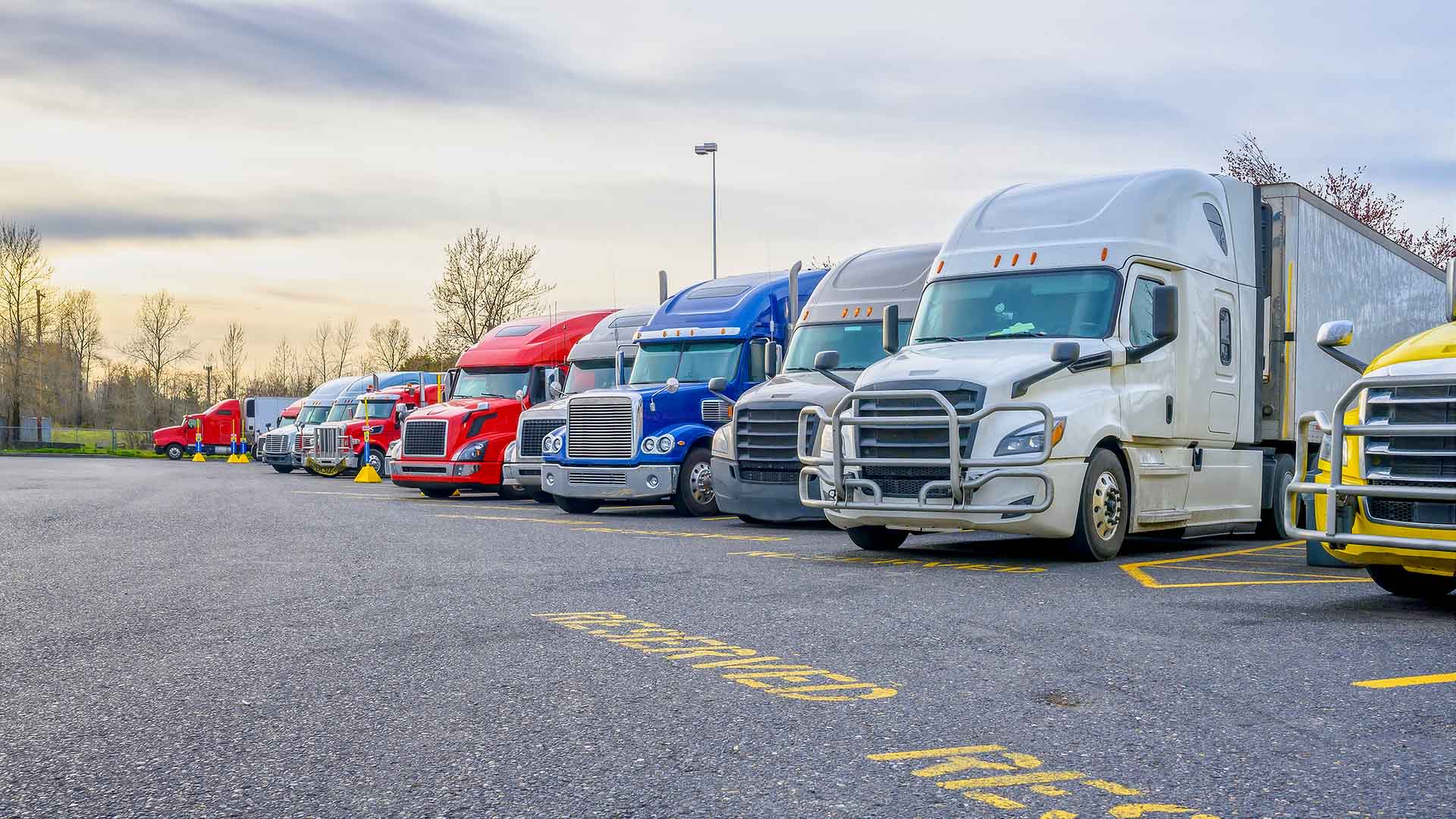
Whenever possible, choose parking spaces in areas with good lighting and regular traffic. Well-lit parking areas can:
- Increase visibility
- Deter theft and vandalism
- Make it easier to inspect your vehicle
- Improve personal safety when walking to facilities at night
Lighting remains one of the most effective security measures for both residential and commercial environments.
Lock Your Truck Every Time
It sounds obvious, but many thefts occur because drivers leave vehicles unlocked during quick stops. Even if you're only stepping away for a few minutes:
- Lock all doors
- Secure valuables
- Close windows when appropriate
- Remove visible items that may attract attention
Professional thieves often look for easy opportunities. Making your truck a more difficult target can significantly reduce risk.
Protect Personal Belongings
Many drivers carry valuable personal items, including:
- Electronics
- Laptops
- Tablets
- Wallets
- Important documents
Avoid leaving valuables visible inside the cab. Whenever possible:
- Store items out of sight
- Use lockable compartments
- Take critical items with you when leaving the vehicle
A few simple precautions can help prevent unnecessary losses.
Be Careful When Discussing Loads
Cargo theft remains a concern throughout the trucking industry. Avoid discussing:
- Load contents
- Pickup locations
- Delivery schedules
- High-value shipments
with strangers at truck stops or public locations.
The less information you share, the less likely it is that someone can use that information against you.
For additional insights into trucking-related security risks, read Exploring Security Challenges in Trucking.
Inspect Your Truck Before Leaving
Before pulling out of a truck stop, perform a quick walkaround inspection. Look for:
- Tire issues
- Trailer damage
- Broken seals
- Signs of tampering
- Open compartments
- Fluid leaks
Cargo theft attempts and equipment tampering often occur when vehicles are parked for extended periods. A brief inspection can help identify problems before you get back on the road.
Trust Your Instincts
If something feels off, take it seriously. Examples might include:
- Someone lingering around your truck
- Unusual requests for information
- Aggressive behavior
- Individuals attempting to distract you
Professional drivers often develop strong instincts over time. Trusting those instincts can help prevent dangerous situations.
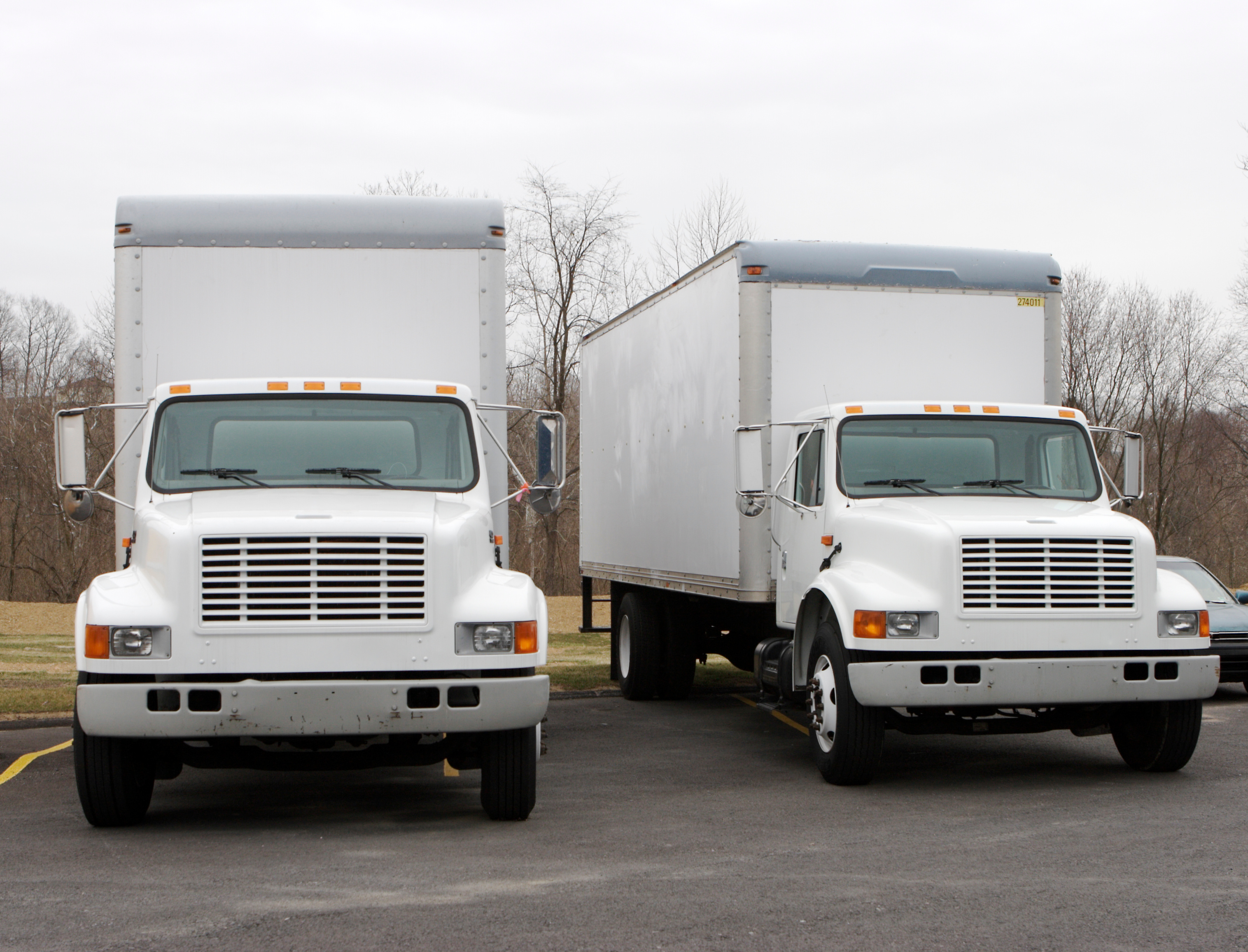
Avoid Isolated Areas When Possible
When selecting a parking location, try to avoid:
- Remote corners of large lots
- Areas hidden from view
- Poorly maintained sections of parking facilities
Parking closer to other professional drivers and near active areas can improve both safety and visibility.
Stay Alert During Fuel Stops
Fuel islands are among the busiest areas of any truck stop. During fueling:
- Keep your keys with you
- Lock your truck if stepping away
- Watch your surroundings
- Avoid leaving valuables exposed
Fuel stops are common opportunities for opportunistic theft because drivers are often focused on fueling activities.
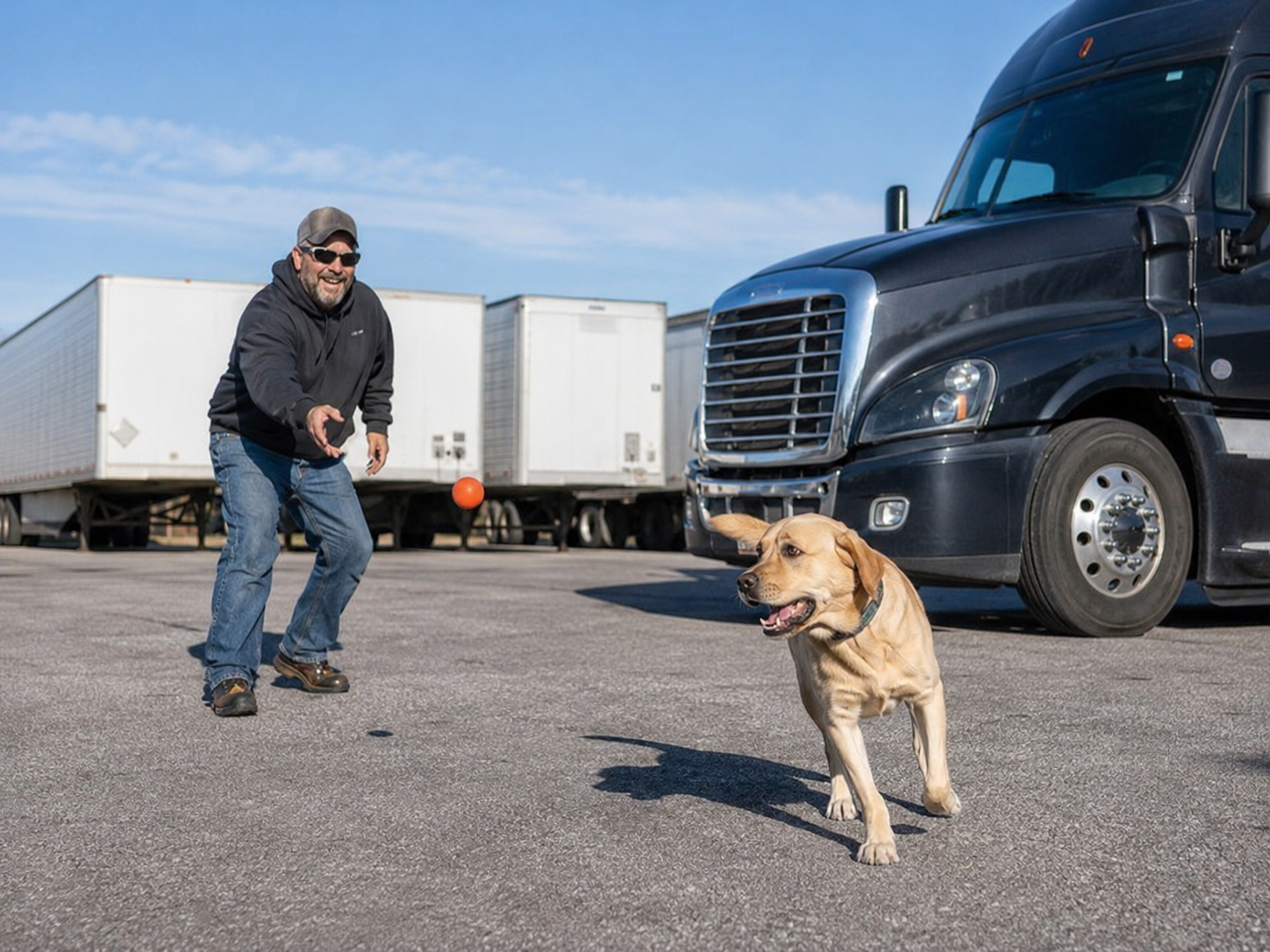
Prioritize Personal Safety at Night
Many drivers operate during overnight hours, making nighttime safety especially important. Consider:
- Carrying a flashlight
- Staying in well-lit areas
- Avoiding unnecessary confrontations
- Walking confidently and purposefully
- Keeping your phone accessible
Small precautions can make a significant difference during late-night stops.
Understand the Importance of Security Technology
Many modern truck stops, distribution centers, and transportation facilities utilize security systems to help protect drivers and cargo. These systems may include:
- Surveillance cameras
- Access control systems
- Monitoring services
- Video recording technology
Businesses and property owners often rely on professionally installed security systems to improve safety and reduce risk.
Build Strong Safety Habits Early in Your Career
Many truck stop safety practices become second nature with experience, but developing those habits early is important. Professional CDL training emphasizes:
- Situational awareness
- Defensive decision-making
- Vehicle inspections
- Safety-first thinking
These habits extend beyond driving and apply to everyday situations on the road.
If you're preparing for a trucking career, this guide can help you understand the training process: What to Expect on Your First Day of CDL School.
And if you're still exploring CDL training options, visit C1 Truck Driving Schools.
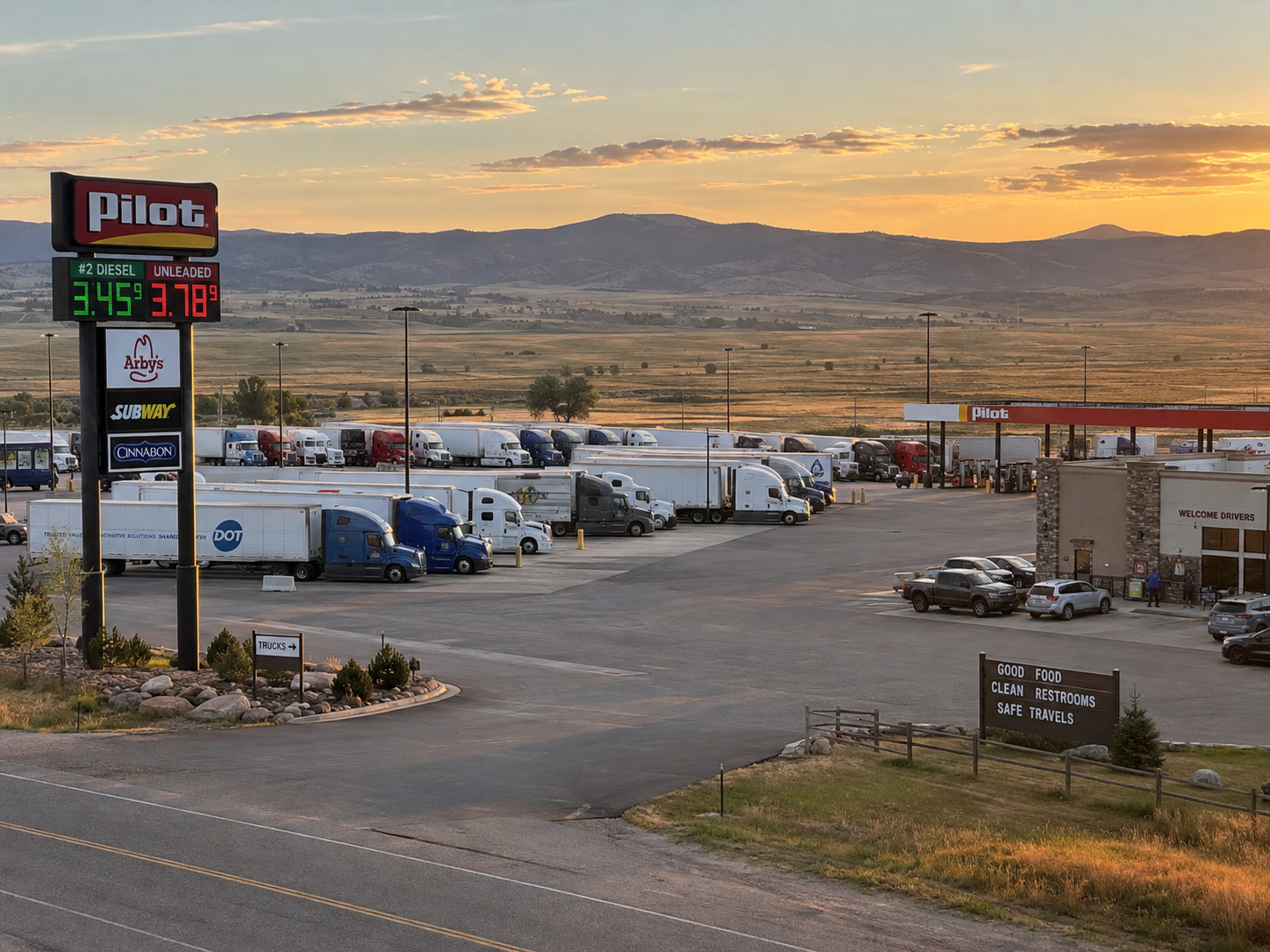
Safety Doesn't End When You Park
Driving safely is only part of being a professional truck driver. Staying safe during fuel stops, rest breaks, and overnight parking is equally important. By remaining aware of your surroundings, protecting your vehicle and belongings, performing regular inspections, and making smart security decisions, you can reduce risk and help ensure every trip ends safely.
The best drivers understand that safety isn't just something you practice while driving. It's a mindset that follows you wherever the road takes you. To learn more about starting a career in trucking, connect with the C1 Admissions team.
Because whether you're behind the wheel or parked for the night, staying alert and prepared is one of the most valuable skills a professional driver can develop.