What Is ELDT? A Complete Guide to Entry-Level Driver Training
If you’re planning to earn a Commercial Driver’s License (CDL), you’ve probably heard the term ELDT. But what exactly does it mean, and why is it required?
Entry-Level Driver Training (ELDT) is now a major part of the CDL process for many new drivers. Understanding ELDT requirements is essential before enrolling in CDL school, pursuing endorsements, or upgrading your license.
This guide breaks down what ELDT is, who needs it, how it works, and what to expect during the process.
What Is ELDT?
ELDT stands for Entry-Level Driver Training, a federal training requirement established by the Federal Motor Carrier Safety Administration (FMCSA).
The goal of ELDT is to create more consistent training standards across the trucking industry and ensure new drivers receive proper instruction before testing for their CDL.
ELDT became federally required on February 7, 2022.
Who Needs ELDT?
ELDT applies to drivers who are:
- Obtaining a Class A CDL for the first time
- Obtaining a Class B CDL for the first time
- Upgrading from a Class B CDL to a Class A CDL
- Adding certain endorsements, including:
- Hazmat (H)
- Passenger (P)
- School Bus (S)
If you’re unsure which CDL class or endorsement fits your goals, this guide can help: Class A vs. Class B CDL: Which License Do You Need?

What Does ELDT Include?
ELDT is divided into two primary components:
| Theory Training | Behind-the-Wheel Training |
|---|---|
|
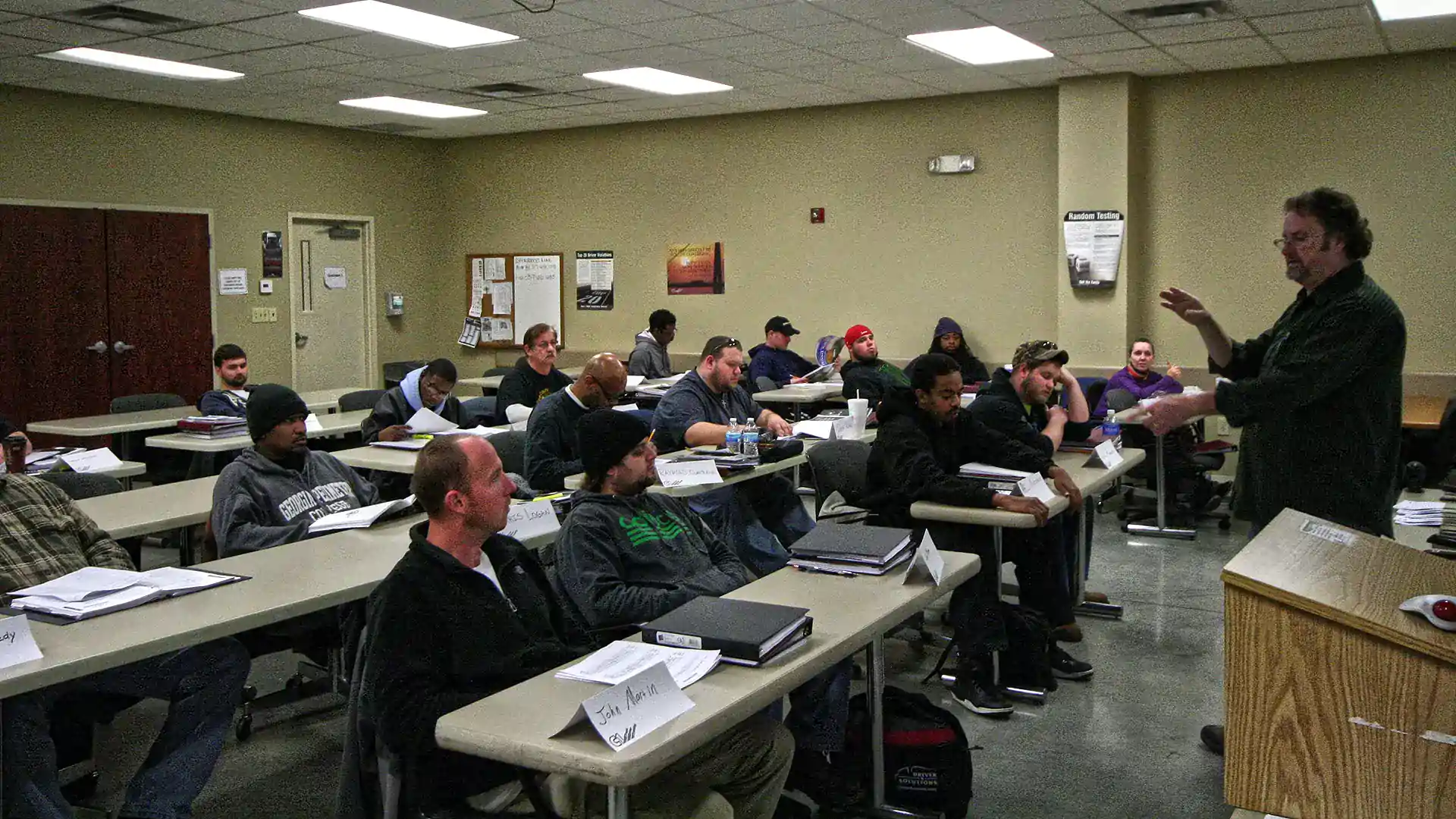
This covers classroom or online instruction focused on:
|
This includes:
|
ELDT Theory vs. Behind-the-Wheel Training
Many new students assume CDL training is only about driving, but ELDT includes much more than time behind the wheel. Theory training focuses on knowledge and safety standards, while behind-the-wheel training focuses on real-world operation and skill development.
If you want a deeper breakdown of the differences, this guide explains it in detail: ELDT Theory vs. Behind-the-Wheel: What’s the Difference?
ELDT for Class A CDL
Drivers pursuing a Class A CDL must complete both theory and behind-the-wheel ELDT training through an FMCSA-registered provider.
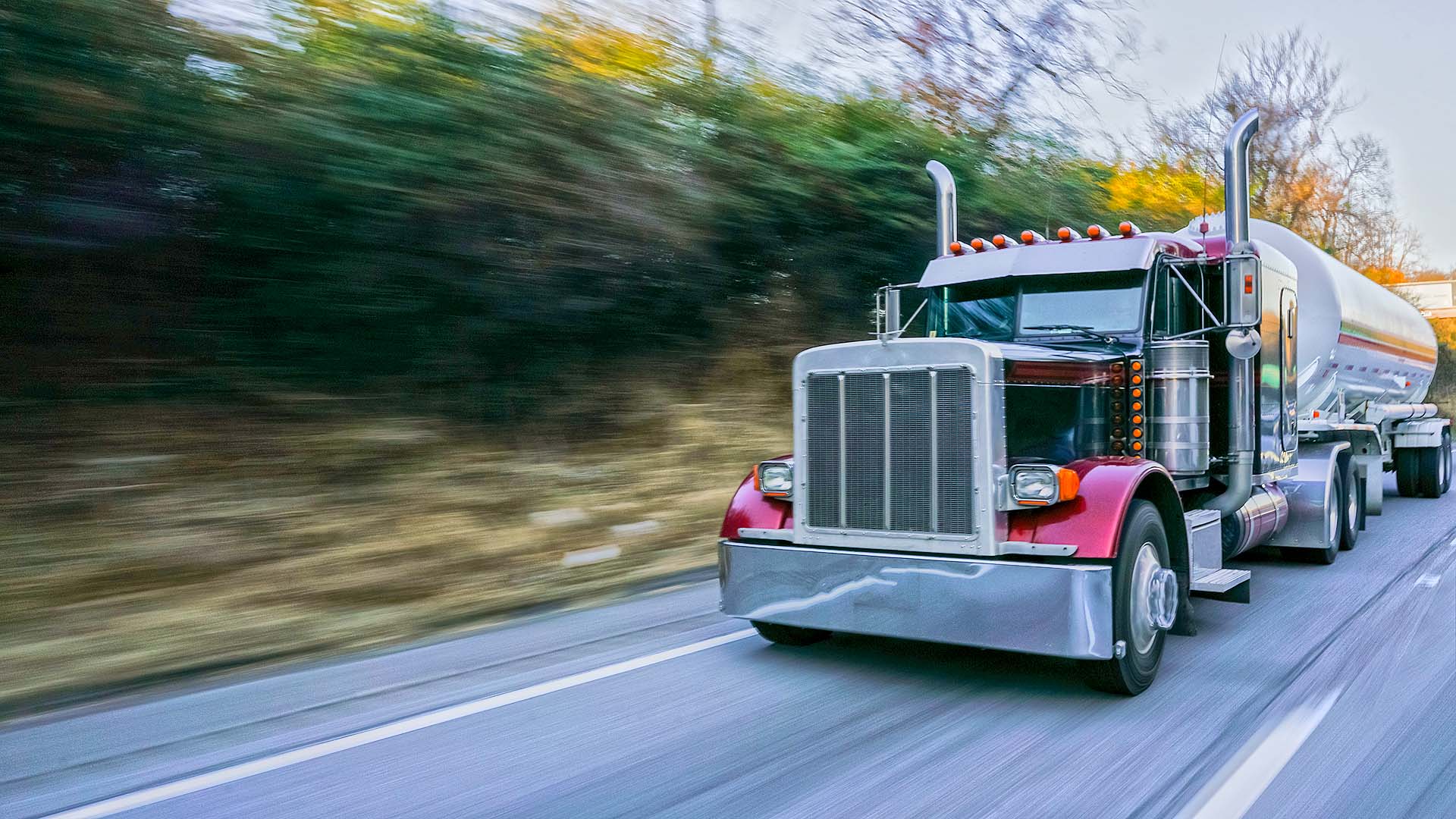
Class A training prepares drivers for combination vehicles like:
- Tractor-trailers
- Flatbeds
- Tankers
- Long-haul freight vehicles
You can review Class A ELDT training here: Class A ELDT Theory Training
ELDT for Class B CDL
Class B ELDT applies to drivers operating:
- Straight trucks
- Dump trucks
- Buses
- Delivery vehicles
While the structure is similar, training focuses on the specific vehicles and responsibilities tied to Class B operation.
Learn more about Class B ELDT here: Class B ELDT Theory Training
ELDT for CDL Endorsements
Certain CDL endorsements also require ELDT before testing.
Hazmat Endorsement
Drivers pursuing a Hazmat endorsement must complete ELDT theory training before taking the written exam. Learn more here: ELDT Hazmat Theory Training
Passenger Endorsement
Passenger endorsement applicants must complete ELDT and behind the wheel training covering passenger safety and procedures. Training information is available here: ELDT Passenger Theory Training
School Bus Endorsement
School Bus endorsement applicants must also complete ELDT and behind the wheel instruction focused on student transportation safety. Learn more here: ELDT School Bus Theory Training
Can ELDT Be Completed Online?
In many cases, yes.
Some CDL schools offer online ELDT theory training, allowing students to complete the classroom portion more flexibly while still meeting FMCSA requirements. Behind-the-wheel training must still be completed in person.
Online options can be especially helpful for:
- Working adults
- Career changers
- Students balancing other responsibilities
Why ELDT Matters
ELDT isn’t just about checking a federal requirement. It’s designed to help drivers:
- Build safer habits
- Understand industry regulations
- Gain confidence behind the wheel
- Prepare for real-world driving situations
Strong foundational training helps improve both safety and long-term career success.
If you’re preparing for CDL school, this guide may also help: What to Expect on Your First Day of CDL School
How to Choose an ELDT Provider
Not every CDL school is authorized to provide ELDT. Training must be completed through a provider listed on the FMCSA Training Provider Registry. When researching schools, look for:
- FMCSA compliance
- Experienced instructors
- Flexible training options
- Behind-the-wheel training opportunities
- Multiple training locations if needed
You can explore training options here: C1 Truck Driving Schools
How to Get Started With ELDT
If you’re ready to begin the process, the first step is understanding:
- Which CDL class you need
- Whether endorsements apply to your goals
- What training format works best for your schedule
The admissions team can help guide you through the process: C1 Admissions

ELDT Is the Foundation of Modern CDL Training
Entry-Level Driver Training has become a major part of the modern CDL process, helping create more standardized, safety-focused training across the trucking industry.
Whether you’re pursuing a Class A CDL, upgrading your license, or adding endorsements, understanding ELDT requirements helps you avoid delays and prepare more confidently for your career.
The better your foundation, the stronger your future behind the wheel becomes.