How C1 Prepares You for Real-World Trucking
Earning a CDL is about more than passing a test. The goal of quality truck driver training is to prepare students for what comes after graduation: a successful career in the trucking industry.
While learning how to perform backing maneuvers and pass a CDL skills exam is important, professional drivers also need to understand safety, regulations, inspections, trip planning, and the realities of life on the road.
At C1 Truck Driver Training, the focus is on helping students build the skills and confidence needed for real-world trucking. From classroom instruction to behind-the-wheel experience, students receive training designed to prepare them for the challenges they will face as professional drivers.
Training That Goes Beyond the CDL Test
Many people begin CDL school with one goal in mind: getting their license. While earning a CDL is an important milestone, it's only the beginning of a trucking career. Professional drivers are responsible for:
- Operating safely in changing conditions
- Managing vehicle inspections
- Following federal regulations
- Navigating traffic and weather
- Communicating professionally with customers and employers
C1's training programs are designed to help students develop the practical knowledge needed to succeed beyond test day.
If you're still exploring the CDL process, this guide provides a helpful overview: How to Get a CDL in 2026: Step-by-Step Guide for New Drivers.
FMCSA-Compliant ELDT Training
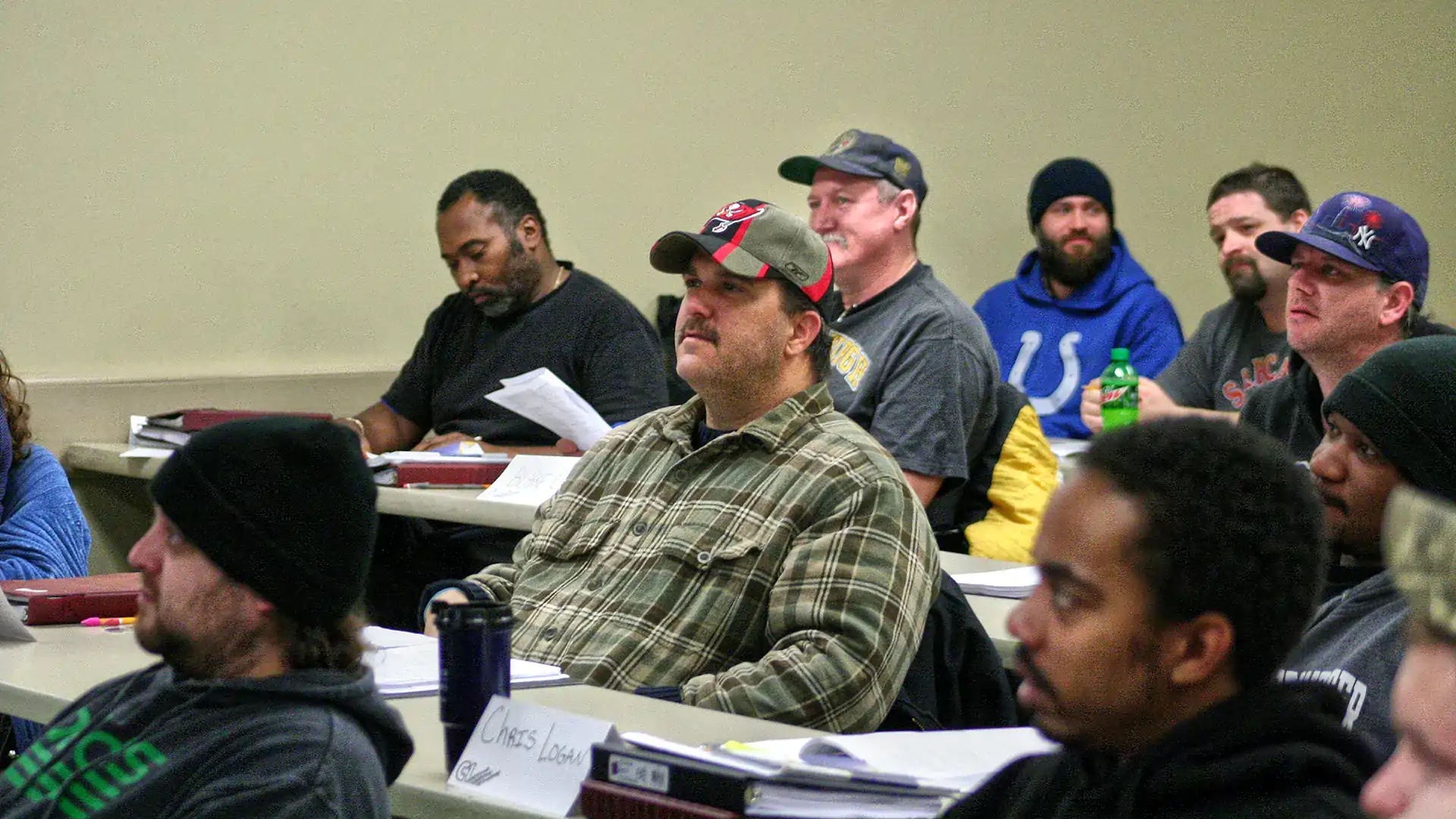
All new CDL drivers must complete Entry-Level Driver Training (ELDT) requirements before earning certain CDL credentials. C1 provides ELDT-compliant training that helps students understand:
- Vehicle systems
- Safety procedures
- Hours of Service regulations
- Hazard awareness
- Inspection requirements
- Defensive driving principles
Students receive both classroom instruction and practical training to build a strong foundation before entering the workforce.
Learn more about ELDT here: What Is ELDT? A Complete Guide to Entry-Level Driver Training.
Hands-On Behind-the-Wheel Experience
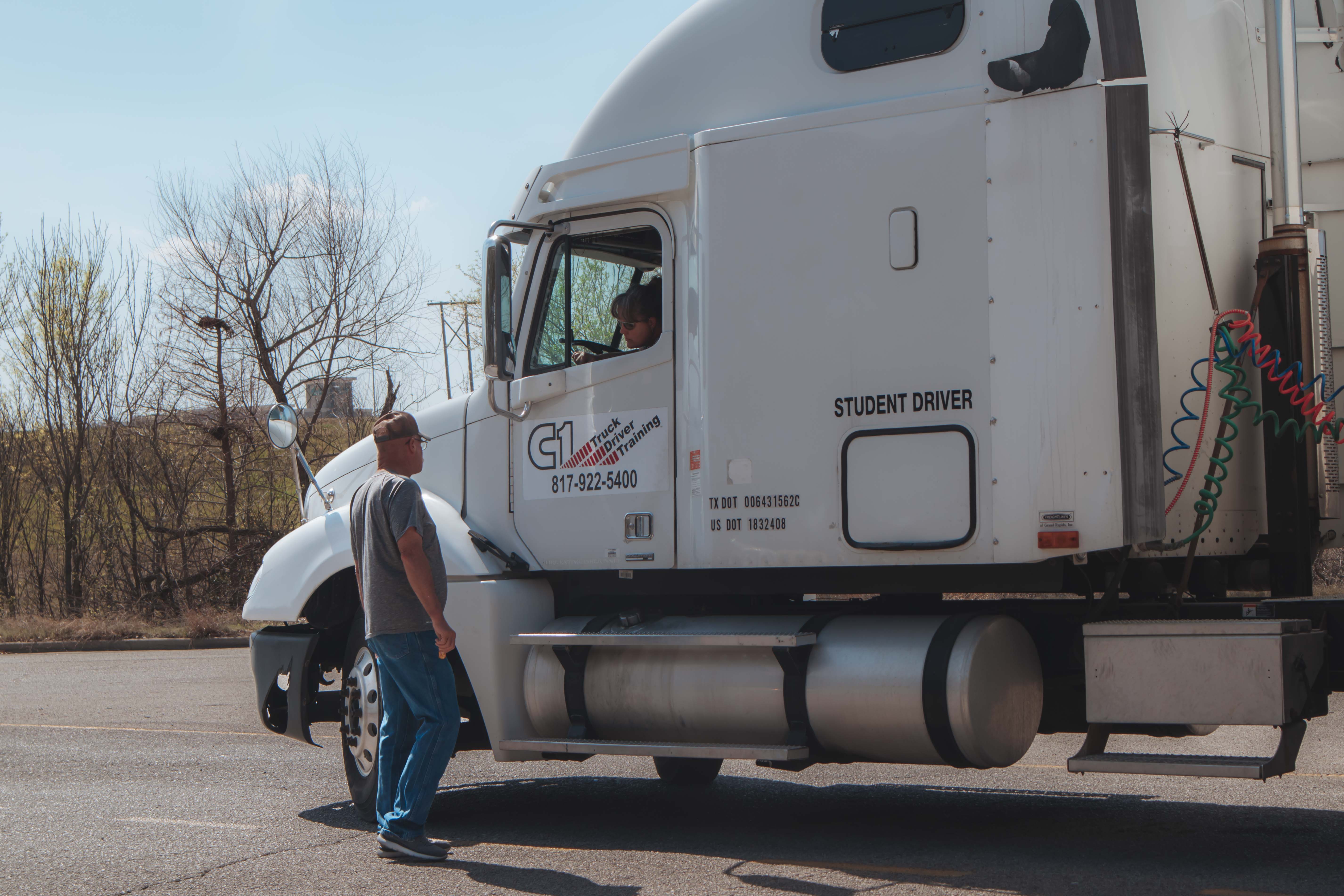
One of the most important parts of CDL training is time spent behind the wheel. Students develop skills through practical instruction that includes:
- Straight-line backing
- Offset backing
- Parallel parking
- Vehicle control
- Road driving
- Real-world traffic situations
The goal is not simply memorization, but developing the confidence and muscle memory needed to operate commercial vehicles safely. These experiences help bridge the gap between classroom learning and actual trucking careers.
Learning Vehicle Inspections and Safety Procedures
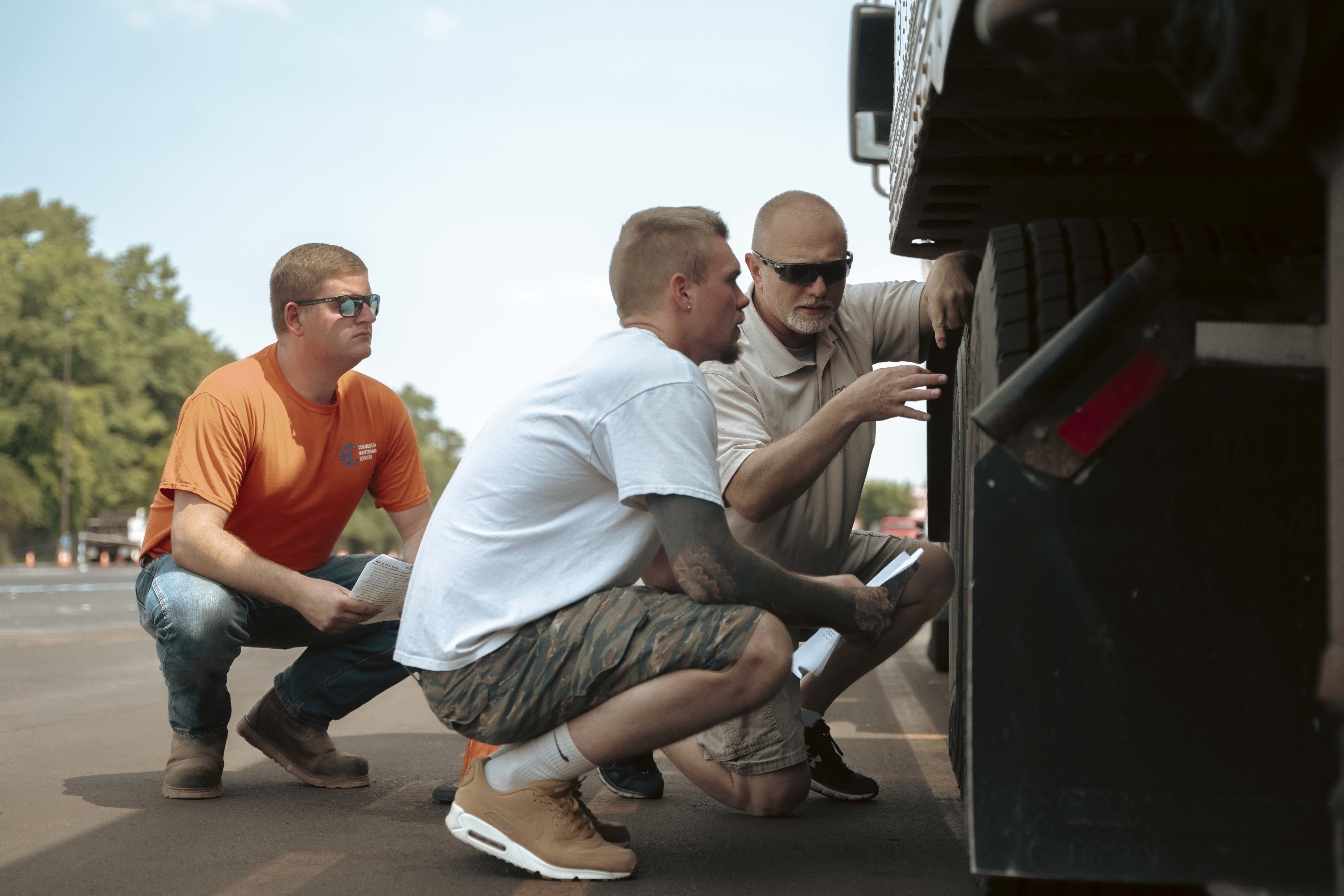
Truck drivers are responsible for inspecting their equipment before and after every trip. At C1, students learn how to conduct thorough inspections and identify potential issues before they become safety concerns. Training includes:
- Pre-trip inspections
- Basic vehicle systems
- Safety equipment checks
- Regulatory requirements
- Defect reporting procedures
Strong inspection habits are critical for both safety and professional success.
Understanding Real Industry Expectations
Success in trucking involves more than driving skills. Students also learn about:
- Professionalism
- Time management
- Safety culture
- Compliance responsibilities
- Industry expectations
Understanding what employers expect helps students transition more smoothly into their first driving positions. Many graduates discover that the habits developed during training become valuable throughout their careers.
Exposure to Different Career Paths
Not every CDL career looks the same. Some drivers pursue:
- Local delivery routes
- Regional trucking jobs
- Over-the-road (OTR) positions
- Passenger transportation
- Specialized freight
C1 helps students understand the different opportunities available within the industry so they can make informed career decisions. If you're comparing career options, this guide may help: Local vs. OTR Trucking Jobs: Pros and Cons.
Training for Valuable CDL Endorsements
Many trucking opportunities require additional endorsements beyond a standard CDL. Depending on career goals, students may pursue:
- Hazmat endorsements
- Passenger endorsements
- School Bus endorsements
- Tanker endorsements
These credentials can expand job opportunities and increase earning potential.
Learn more about endorsement options here: CDL Endorsements That Pay the Most in 2026.
Students interested in Hazmat training can also explore ELDT Hazmat Theory Training.
Preparing for Life on the Road
One aspect of trucking that many new drivers underestimate is the lifestyle adjustment. Professional driving often involves:
- Time away from home
- Schedule flexibility
- Trip planning
- Healthy habits on the road
- Managing fatigue
C1 helps students understand these realities before they enter the industry.
For additional insight, check out 10 Tips for Staying Healthy on the Road and How to Manage Sleep as a Truck Driver.
Connections to Career Opportunities
Training is only one part of starting a trucking career. Finding the right opportunity after graduation is equally important. C1 works with a network of carrier partners and employers throughout the country, helping students explore potential career paths after earning their CDL.
For students interested in sponsorship opportunities, this guide explains how carrier-sponsored training programs work: How to Get Sponsored CDL Training with a Carrier.
Experienced Instructors Who Understand the Industry
Learning from experienced instructors can make a significant difference during CDL training. Students benefit from instructors who understand:
- Industry regulations
- Safety best practices
- Real-world driving situations
- Common challenges new drivers face
This practical perspective helps connect training concepts to actual experiences drivers will encounter on the job.
Building Confidence Before Your First Driving Job
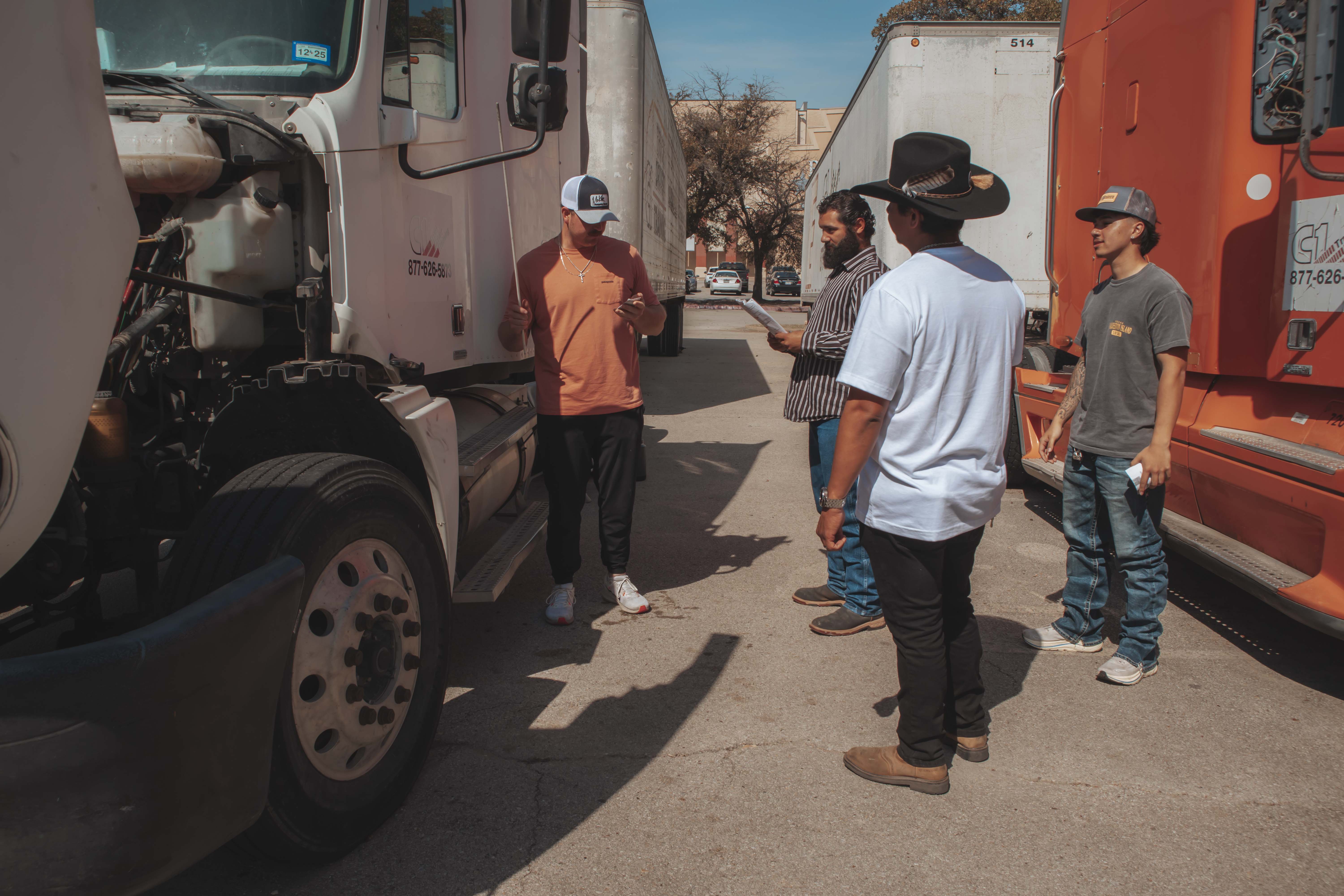
Many new students arrive at CDL school with little or no commercial driving experience. One of the most important outcomes of quality training is confidence. By graduation, students should have experience with:
- Vehicle operation
- Safety procedures
- Inspections
- Backing maneuvers
- Road driving
- Industry expectations
That confidence can help make the transition into a first driving position much smoother. If you're wondering what the beginning of that journey looks like, this guide explains what to expect during training: What to Expect on Your First Day of CDL School.
Training for the Career, Not Just the License
A CDL opens the door to opportunity, but long-term success comes from preparation, skill development, and professionalism.
At C1 Truck Driver Training, students receive more than the instruction needed to pass a test. They gain hands-on experience, industry knowledge, safety training, and exposure to real-world trucking expectations that help prepare them for life after graduation.
Whether your goal is local driving, regional freight, over-the-road trucking, or specialized transportation, the right training can help you start your career with confidence.
To learn more about training opportunities, visit C1 Truck Driving Schools.
Or connect with the C1 Admissions team.
The road to a successful trucking career starts long before your first job. It starts with the training that prepares you for everything that comes next.