If you’re considering a career in trucking, one of the first decisions you’ll need to make is whether to pursue local trucking jobs or over-the-road (OTR) trucking jobs.
Both paths offer strong earning potential, job stability, and opportunities for growth, but they come with very different lifestyles. Understanding the pros and cons of each can help you choose the option that best fits your goals, schedule, and personal life.
If you’re just getting started, it may help to first understand the full process of earning your CDL: How to Get a CDL in 2026: Step-by-Step Guide for New Drivers .
What Are Local Trucking Jobs?
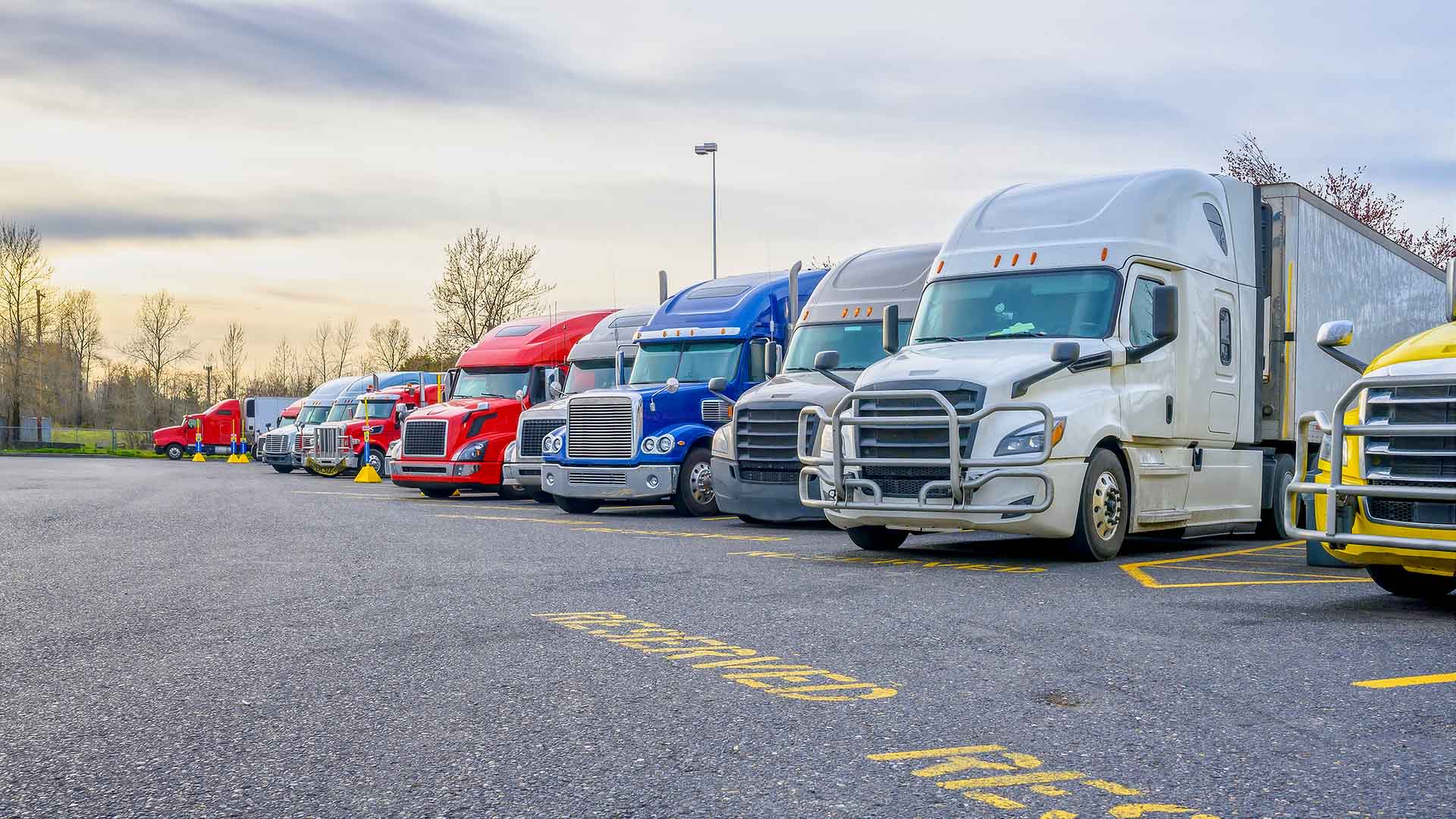
Local trucking jobs typically involve driving within a specific region or city, allowing drivers to return home daily or on a consistent schedule.
Common types of local driving include:
- Delivery routes
- Construction hauling
- Dump truck driving
- Food and beverage distribution
- Shuttle or regional freight
Many local drivers hold a Class B CDL, though Class A opportunities are also available depending on the role. If you’re unsure which license you need, this guide can help: Which License Do You Need?.
Pros of Local Trucking Jobs
1. Home Daily or Frequent Home Time
One of the biggest advantages of local trucking is the ability to return home on a regular basis. For drivers with spouses, kids, pets, or responsibilities at home, that consistency can make a major difference in quality of life. It also gives you more time to maintain routines, rest in your own space, and stay connected to family and community.
2. Predictable Schedule
Many local trucking jobs follow set routes or recurring delivery windows, which can create a more predictable day-to-day rhythm. That kind of structure can be especially appealing if you prefer knowing when your workday starts and ends. It also makes it easier to schedule appointments, family time, and personal commitments outside of work.
3. Physical Activity
Local driving roles often involve more movement throughout the day, whether that means loading freight, making deliveries, or getting in and out of the truck frequently. For some drivers, that physical variety is a positive because it breaks up the day and keeps the job from feeling too sedentary. If you prefer staying active instead of spending long stretches seated behind the wheel, local driving may be a better fit.
4. Strong Entry-Level Opportunities
Local trucking can be a solid starting point for new CDL holders who want to gain experience close to home. These roles can help drivers build confidence with inspections, city driving, customer interaction, and time management. If you’re preparing to enter the industry, programs like C1 Truck Driving Schools can help you build the foundation you need to pursue local opportunities.
Cons of Local Trucking Jobs
1. Lower Earning Potential (In Some Cases)
While local jobs can absolutely provide stable income, they do not always offer the same pay potential as long-haul or specialized OTR routes. Some positions are hourly rather than mileage-based, which can limit upside depending on overtime availability and the employer. For drivers focused primarily on maximizing income, local work may feel more limited unless paired with a high-demand niche or endorsement.
2. More Physical Demands
The same activity that appeals to some drivers can be a drawback for others. Local jobs often involve lifting, unloading, repetitive movement, or physically demanding delivery conditions, especially in construction, food service, or route-based work. Over time, that wear and tear can be more exhausting than drivers initially expect.
3. Traffic and Urban Driving
Local drivers often spend more time in stop-and-go traffic, crowded city streets, and tight loading or delivery environments. That can mean more frequent braking, backing, maneuvering, and stress throughout the day. Instead of long open stretches of highway, local drivers usually deal with a faster-paced and more unpredictable driving environment.
What Are OTR Trucking Jobs?
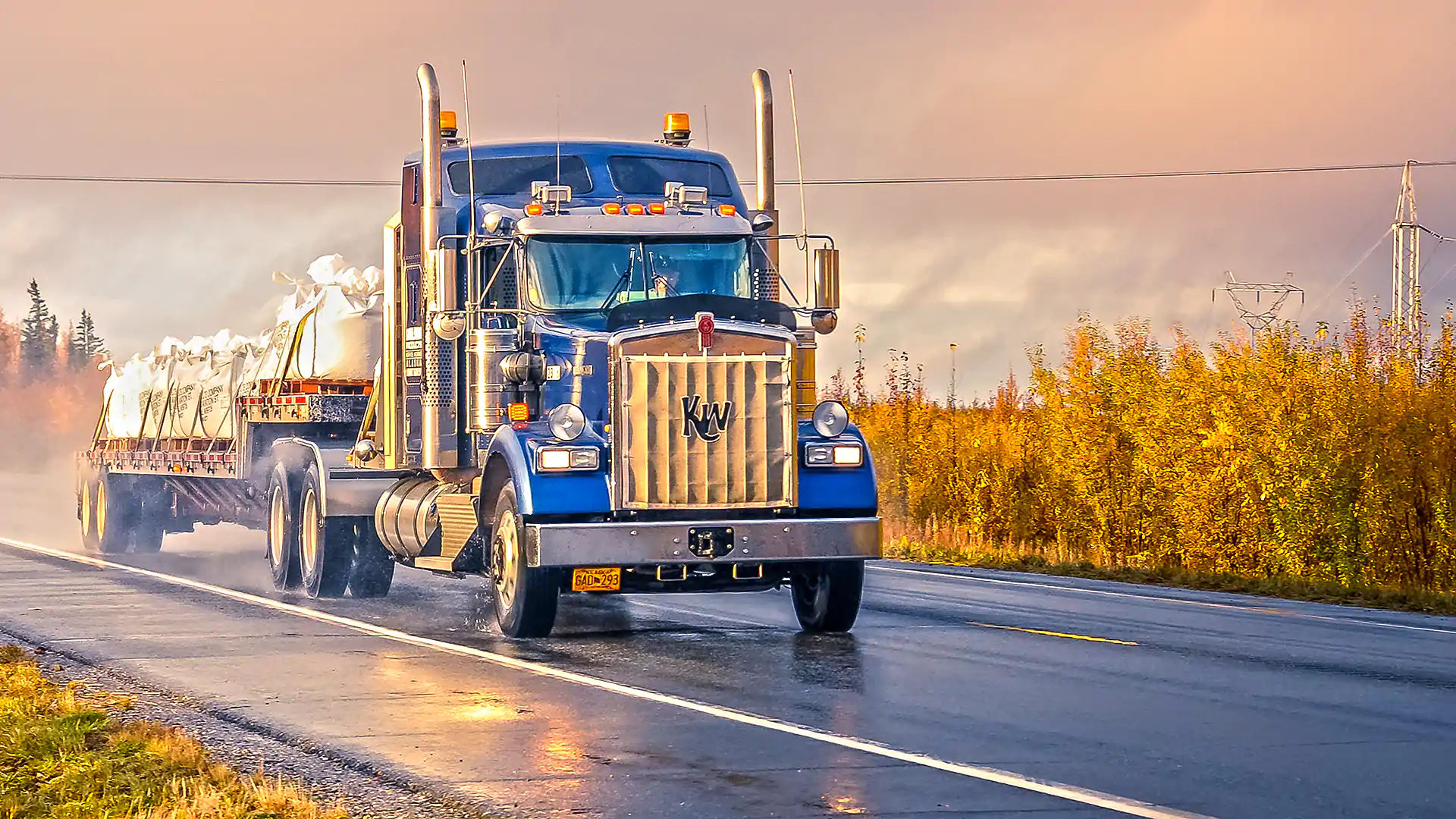
Over-the-road (OTR) trucking jobs involve long-distance driving, often across multiple states. Drivers may be on the road for days or weeks at a time before returning home.
OTR drivers typically operate Class A vehicles and transport freight over long distances.
Pros of OTR Trucking Jobs
1. Higher Earning Potential
OTR trucking often offers stronger income potential because drivers are covering more miles and may qualify for bonuses, performance incentives, or specialized freight opportunities. The longer routes and broader freight options can make it easier to grow your earnings over time. Many drivers also increase their value by adding endorsements like Hazmat: Hazmat Endorsement Guide.
2. Travel Opportunities
For drivers who enjoy seeing new places, OTR trucking can offer a sense of variety that local jobs simply do not. You may travel through different states, regions, and landscapes while gaining a broader experience of the country. For some people, that change of scenery is one of the most rewarding parts of the job.
3. Fewer Daily Stops
In many OTR roles, the work is centered around covering long distances rather than making constant pickups and deliveries. That can create a smoother workday with fewer interruptions and less repeated loading and unloading. Drivers who prefer extended highway driving over dense urban delivery routes often find this pace more enjoyable.
4. Faster Career Growth
OTR drivers often build experience quickly because they are exposed to a wider range of routes, road conditions, trip planning demands, and freight schedules. That kind of experience can help drivers qualify for more advanced or better-paying positions sooner. For ambitious drivers looking to move up fast, OTR can be a strong career-building option.
Cons of OTR Trucking Jobs
1. Time Away From Home
The biggest drawback of OTR trucking for many drivers is the amount of time spent away from home. Depending on the company and route, drivers may be gone for several days or even multiple weeks at a time. That distance can be difficult if you value regular face-to-face time with family, friends, or your normal routines.
2. Lifestyle Adjustments
OTR trucking requires a major adjustment in how you live day to day. Sleeping in the truck, planning showers and meals on the road, and spending long periods away from the comforts of home can be challenging, especially at first. Some drivers love the independence, while others find the lifestyle harder to sustain long term.
3. Irregular Schedules
Unlike many local roles, OTR schedules can shift based on dispatch needs, delivery windows, traffic, weather, and route changes. That unpredictability can make it harder to establish a steady routine. For drivers who prefer structure and consistency, the variable nature of OTR work may become frustrating over time.
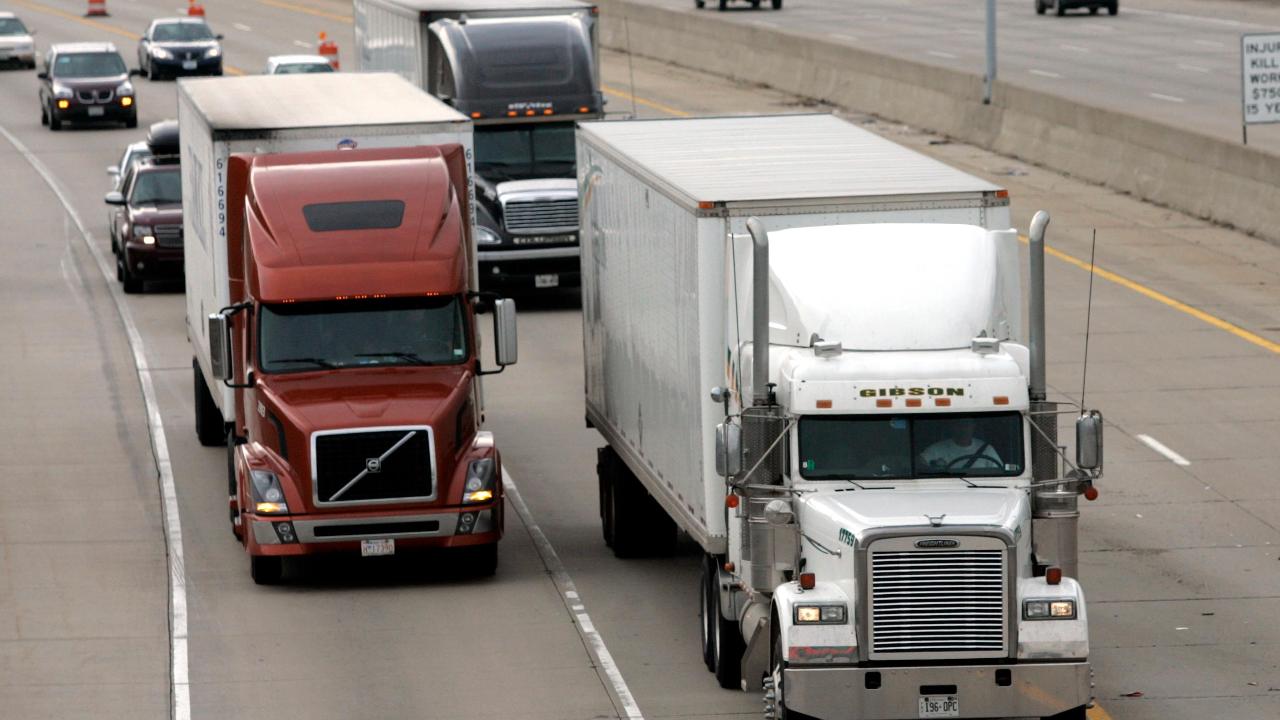
Local vs. OTR Trucking: Side-by-Side Comparison
| Factor | Local Trucking | OTR Trucking |
|---|---|---|
| Home Time | Daily or frequent | Weekly or extended time away |
| Pay | Moderate to high | High earning potential |
| Schedule | Predictable | Variable |
| Physical Demand | Higher | Lower (in many roles) |
| Travel | Minimal | Extensive |
| Experience Growth | Steady | Fast-paced |
Which Option Is Right for You?
Choosing between local and OTR trucking depends on your priorities. Many drivers start in one area and transition later as their goals or lifestyle change.
| Local Trucking | OTR Trucking |
|---|---|
Best For:
|
Best For:
|
How to Get Started in Either Path
No matter which route you choose, the first step is earning your CDL through a reputable training program.
You can explore training options here: Truck Driving Schools.
From there, you can work with admissions to determine the best path based on your goals: Admissions.
Choosing the Road That Fits Your Life
Both local and OTR trucking jobs offer strong career opportunities, but they cater to different lifestyles. Local driving provides stability and routine, while OTR driving offers higher earning potential and travel experiences.
The best choice comes down to what matters most to you: time at home, income goals, or the experience of life on the road.
No matter which path you choose, trucking remains one of the most reliable and in-demand careers available today.