8 Things Most People Don't Realize Truck Drivers Do Every Day
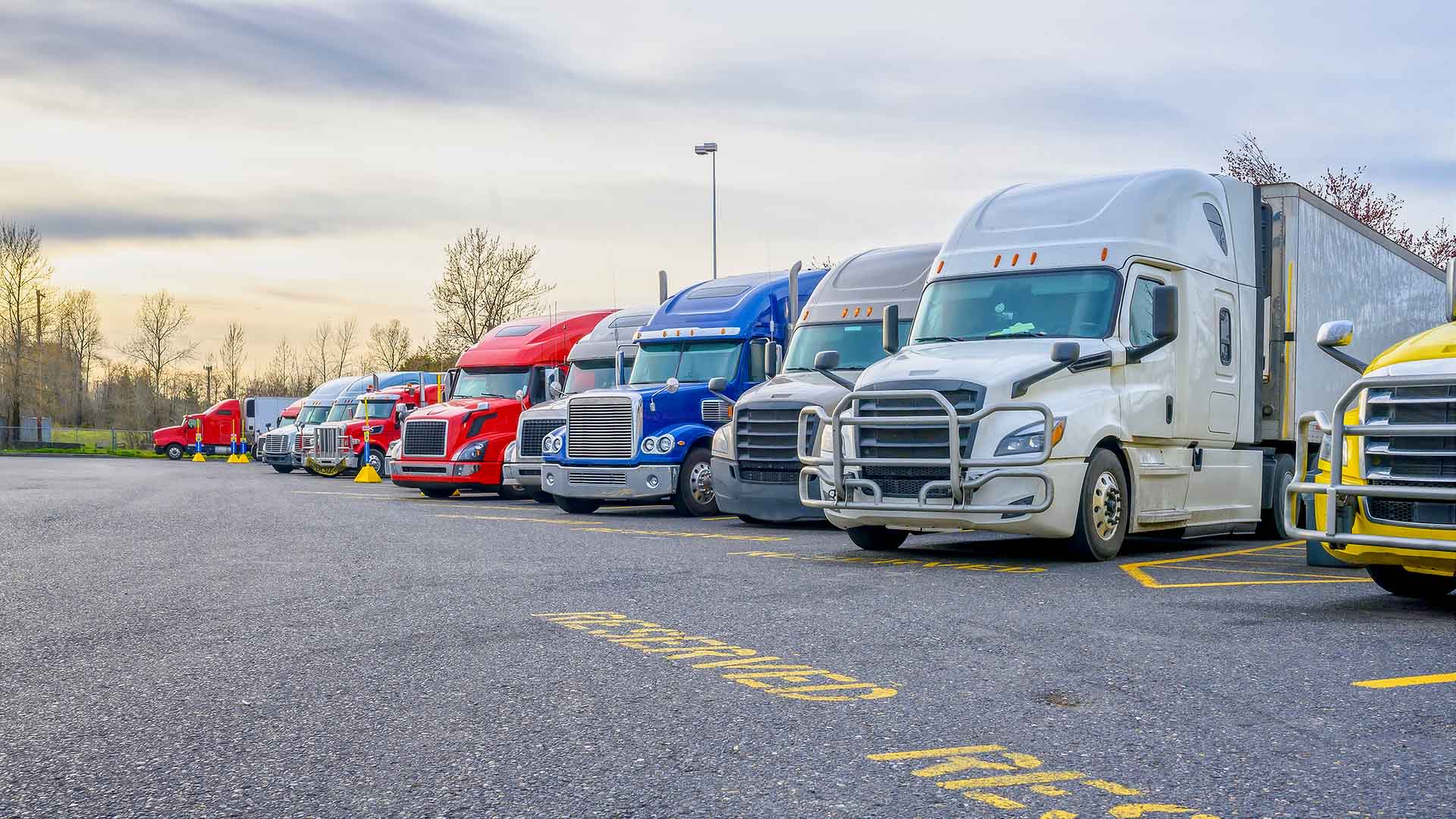
When most people think about truck drivers, they picture someone sitting behind the wheel, driving down the highway for hours at a time. While driving is certainly a major part of the job, it's only one piece of what professional drivers do every day.
Modern trucking requires a combination of technical skill, safety awareness, planning, communication, and professionalism. Long before a truck begins moving and long after it reaches its destination, drivers are responsible for a wide range of tasks that help keep freight moving safely and efficiently.
Here are eight things most people don't realize truck drivers do every day.
1. Perform Detailed Vehicle Inspections
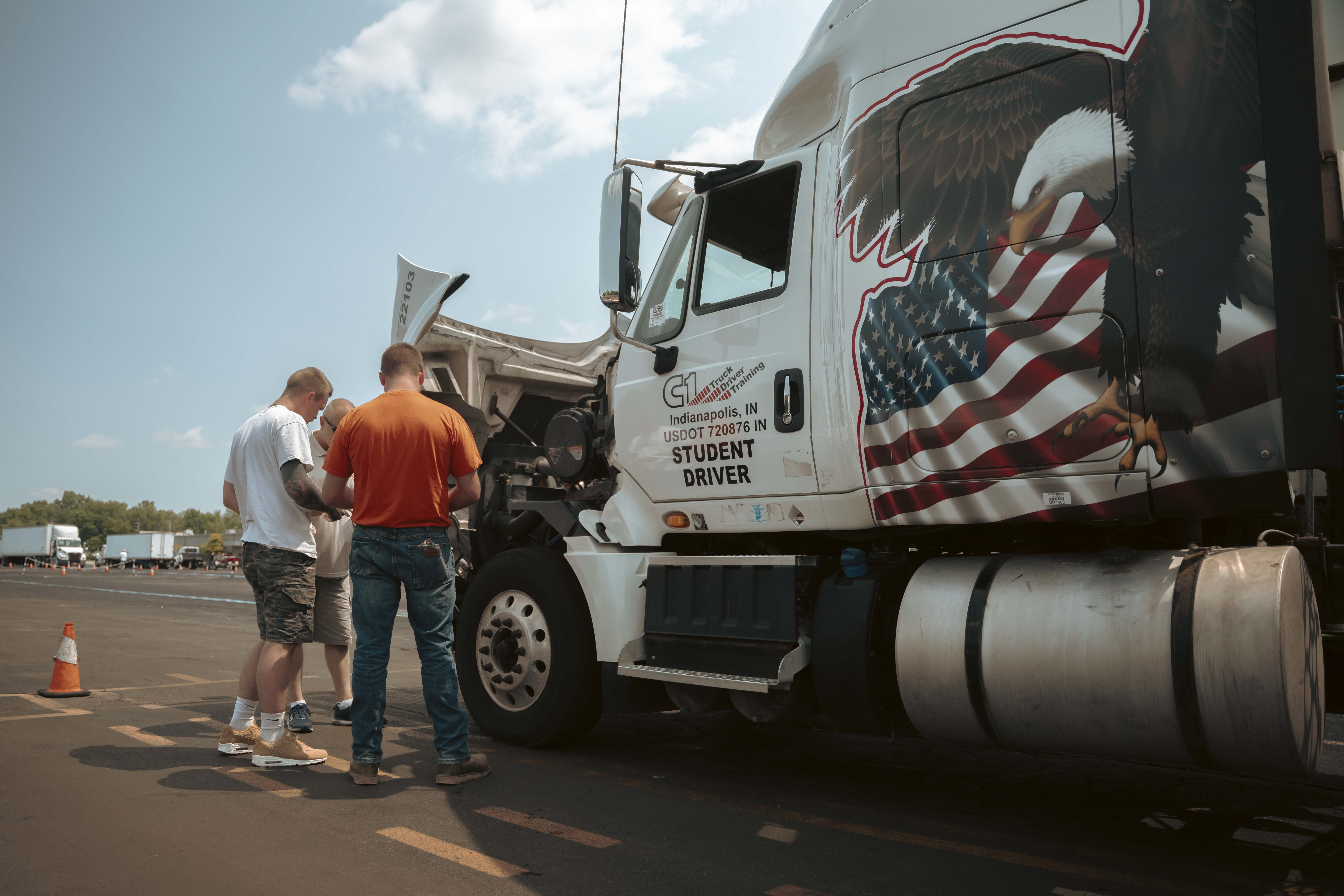
Before hitting the road, truck drivers are responsible for inspecting their equipment to ensure it is safe and compliant. A typical inspection may include checking:
- Tires and wheels
- Brakes
- Lights and reflectors
- Coupling systems
- Fluid levels
- Safety equipment
Drivers also perform post-trip inspections to identify any issues that need attention before the next haul. These inspections help prevent breakdowns, improve safety, and ensure compliance with federal regulations.
Learning how to conduct proper inspections is an important part of CDL training. If you're interested in becoming a driver, learn more about C1 Truck Driver Training.
2. Monitor Weather and Road Conditions
Professional drivers don't simply follow GPS directions and hope for the best. Every day, they evaluate:
- Weather forecasts
- Traffic patterns
- Construction zones
- Road closures
- Accident reports
Changing conditions can significantly impact route planning and delivery schedules. A skilled driver is constantly making decisions to keep themselves, their cargo, and everyone around them safe.
3. Manage Hours of Service Regulations
Truck drivers must follow federal Hours of Service (HOS) regulations that govern how long they can drive and when they must take breaks. This requires careful planning throughout the day. Drivers regularly track:
- Driving time
- On-duty time
- Rest periods
- Required breaks
Managing these regulations properly helps reduce fatigue and improves highway safety for everyone.
4. Secure and Protect Cargo
Before leaving a shipper, drivers often verify that cargo has been properly secured. Depending on the type of freight, this may involve:
- Checking load distribution
- Inspecting securement devices
- Verifying trailer conditions
- Confirming paperwork accuracy
Cargo security is essential because improperly secured freight can create serious safety hazards. Specialized freight may require additional training and endorsements.
Learn more about high-demand CDL endorsements.
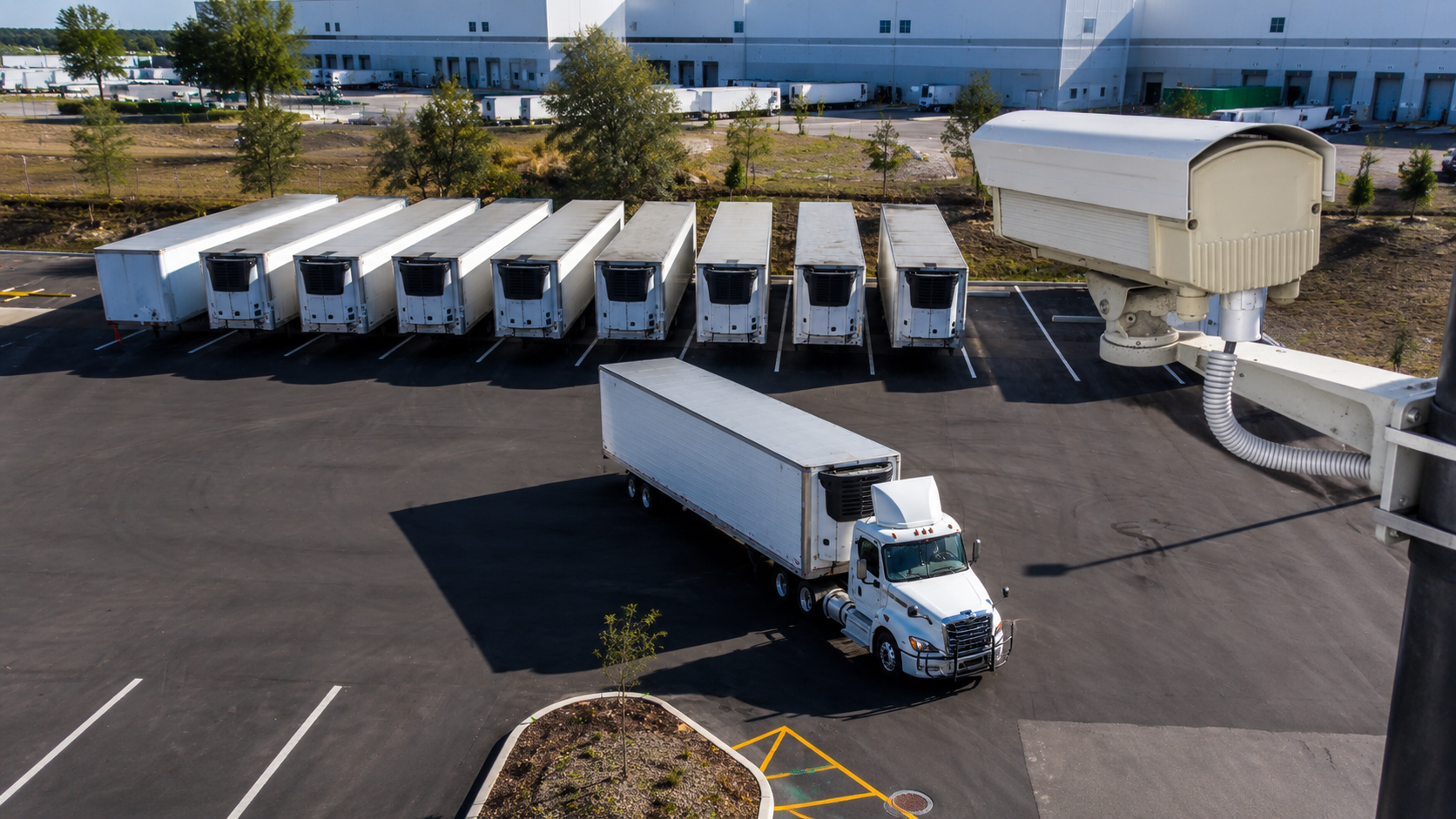
5. Communicate with Customers, Dispatchers, and Facilities
Truck drivers spend a surprising amount of time communicating. Throughout a typical day, drivers may interact with:
- Dispatchers
- Warehouse personnel
- Shipping departments
- Receiving facilities
- Customers
Professional communication helps ensure deliveries stay on schedule and issues are addressed quickly. Strong communication skills are an important part of being a successful driver.
6. Make Safety Decisions Every Mile
Driving an 80,000-pound commercial vehicle requires constant focus and decision-making. Professional drivers are continuously evaluating:
- Following distance
- Traffic flow
- Road hazards
- Driver behavior around them
- Vehicle performance
Every mile involves hundreds of small decisions that contribute to overall safety. This level of awareness is one reason professional CDL training places such a strong emphasis on defensive driving and risk management.
If you're curious about what training involves, start with What to Expect on Your First Day of CDL School.
7. Adapt to Constantly Changing Conditions
Few careers require as much adaptability as trucking. On any given day, drivers may encounter:
- Weather delays
- Traffic congestion
- Equipment issues
- Schedule changes
- Detours
- Loading and unloading delays
Professional drivers learn to remain flexible while maintaining safety and professionalism. The ability to adapt quickly is one of the most valuable skills a driver can develop.
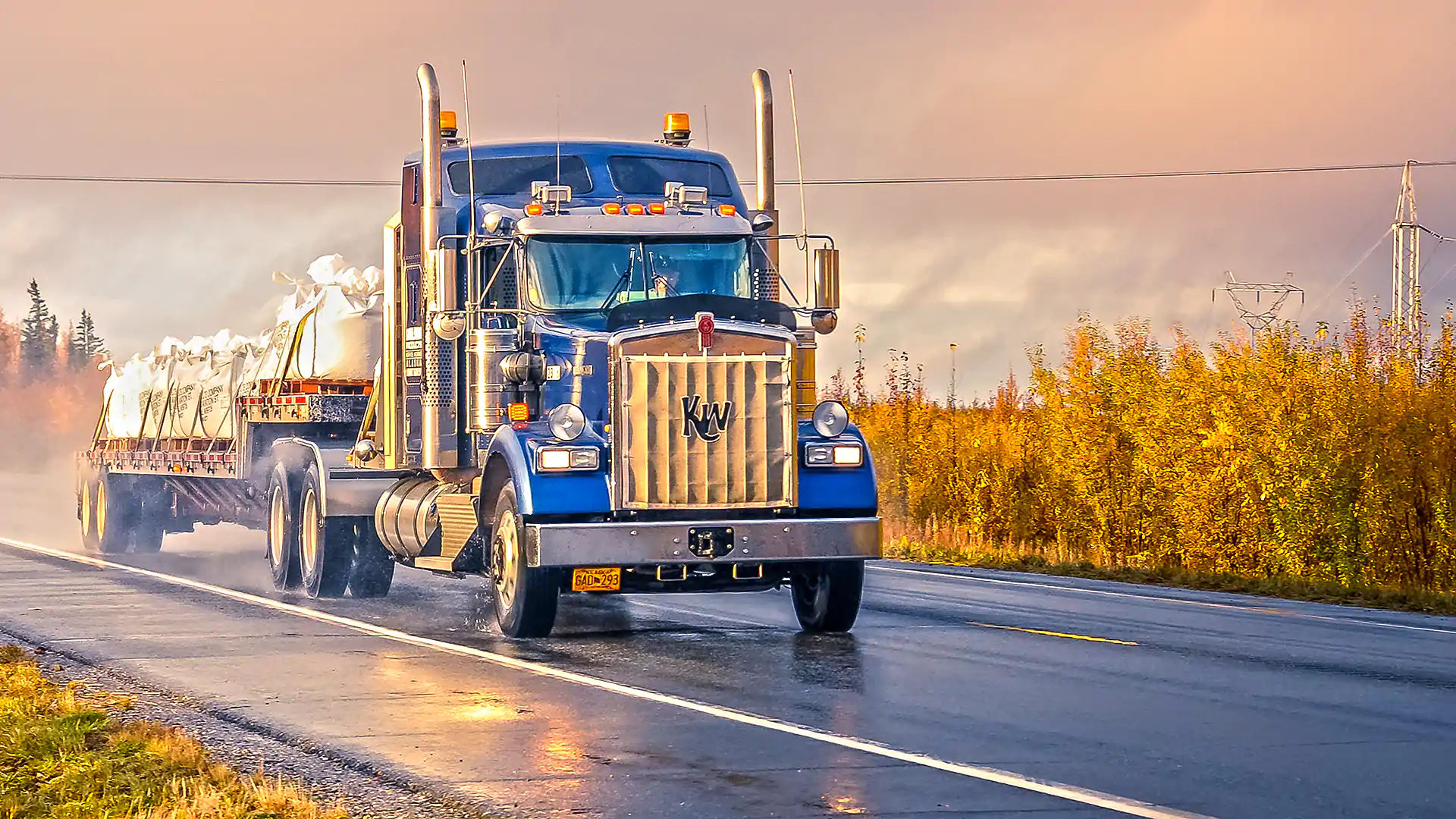
8. Keep America's Supply Chain Moving
Perhaps the biggest responsibility truck drivers handle every day is one that often goes unnoticed. Drivers transport:
- Food to grocery stores
- Medical supplies to hospitals
- Building materials to job sites
- Consumer products to retailers
- Equipment to manufacturers
Nearly every product people use has spent time on a truck at some point during its journey. Without professional drivers, supply chains would quickly come to a standstill.
For a deeper look at the industry's impact, read How Truck Drivers Keep America Moving.
Trucking Is Much More Than Driving
The next time you pass a commercial truck on the highway, remember that there's far more happening than simply steering a vehicle down the road. Professional truck drivers are inspectors, planners, communicators, safety professionals, problem-solvers, and logistics experts. They manage complex responsibilities every day while helping deliver the products and materials that keep communities functioning.
It's one of the many reasons truck drivers deserve recognition not only during Truck Driver Appreciation Week, but throughout the entire year.
If you're interested in joining the trucking industry, learn more about how to get a CDL.
You can also explore CDL training opportunities.
Or connect with C1 Admissions.
Because becoming a professional driver is about much more than learning to drive. It's about developing the skills and responsibility needed to keep America moving every single day.