Top 10 CDL Training Myths Debunked
There are a lot of misconceptions about CDL training and the trucking industry. For people considering a new career path, these myths can create unnecessary hesitation or confusion about what training is actually like.
The reality is that modern CDL training is more flexible, accessible, and career-focused than many people realize.
If you’re thinking about becoming a commercial driver, here are 10 common CDL training myths debunked.
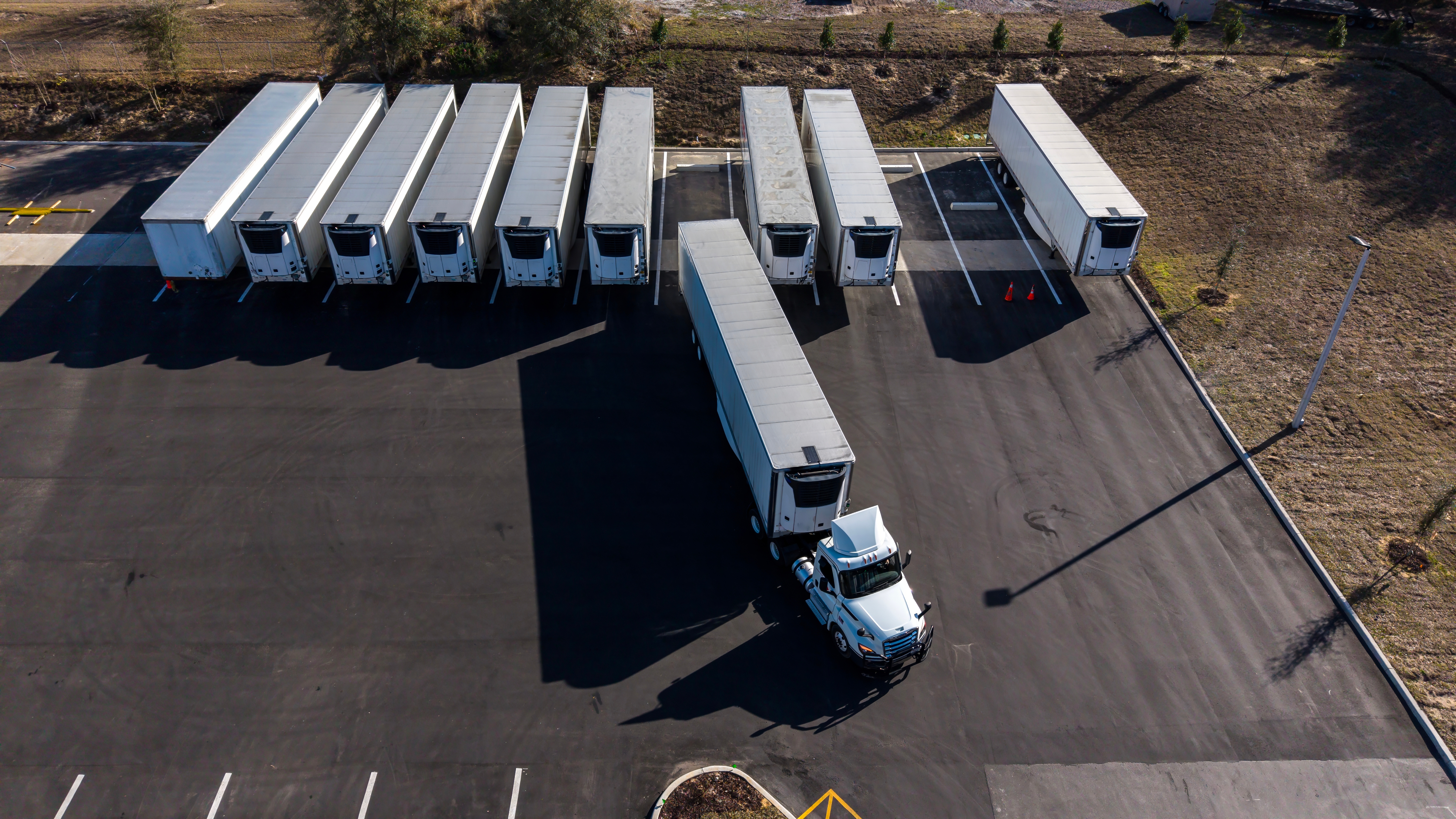
Myth #1: You Need Truck Driving Experience Before CDL School
One of the biggest misconceptions is that you need prior trucking experience before enrolling in CDL training.
In reality, CDL schools are designed to train beginners from the ground up. Students learn everything from inspections and safety procedures to backing maneuvers and road driving during the program itself.
If you’re completely new to trucking, that’s normal. You can start exploring training options here: C1 Truck Driving Schools.
Myth #2: CDL Training Takes Years
Many people assume becoming a truck driver requires years of schooling.
Most CDL training programs are designed to move efficiently, allowing students to complete training in a matter of weeks rather than years. While training is fast-paced, it focuses specifically on the skills and knowledge needed to begin a professional driving career.
If you want a full breakdown of the process, this guide can help: How to Get a CDL in 2026: Step-by-Step Guide for New Drivers .
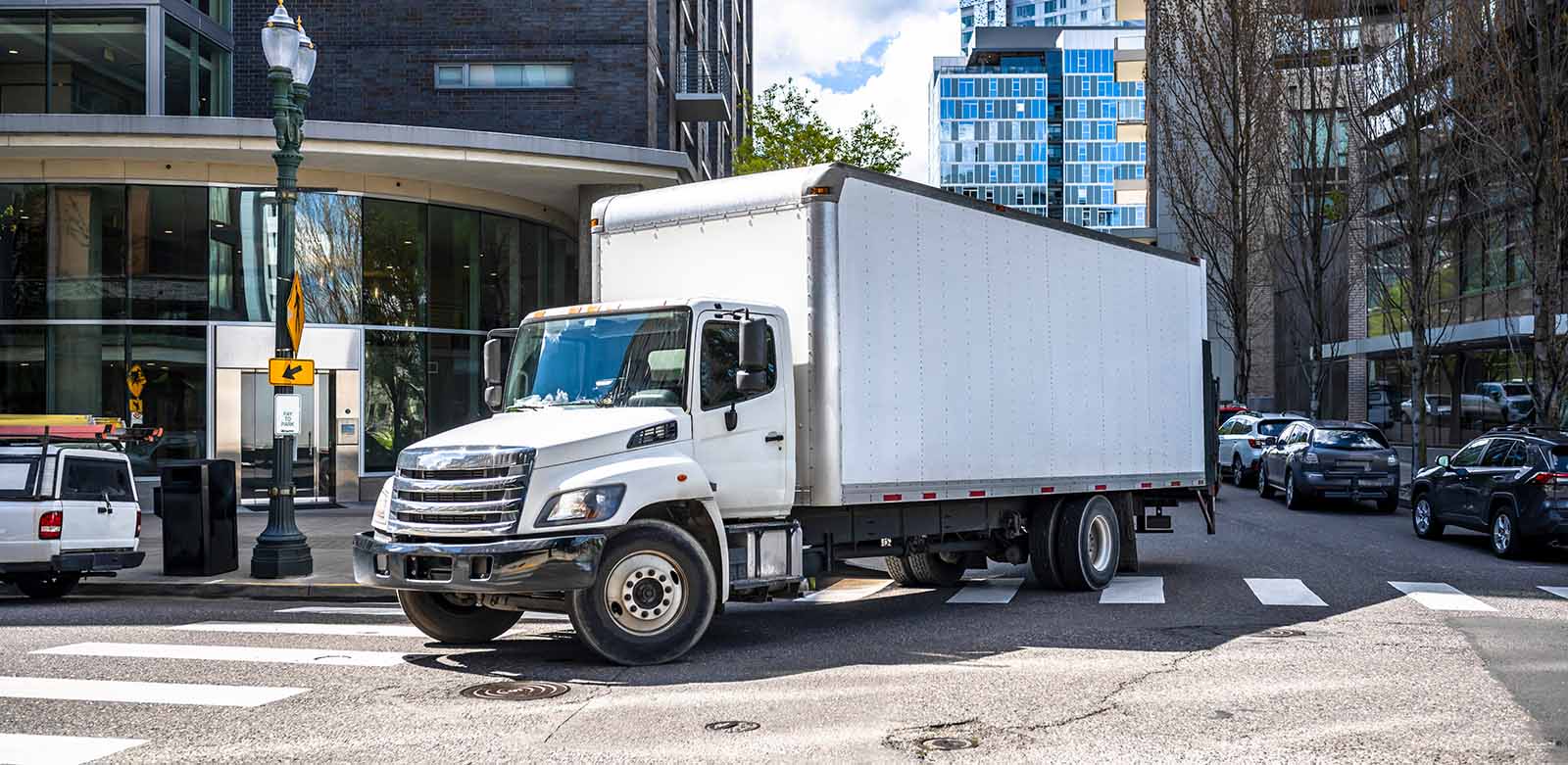
Myth #3: Truck Driving Only Means Long-Haul OTR Work
Not every trucking job involves spending weeks away from home. Many drivers work:
- Local delivery routes
- Construction jobs
- Shuttle driving
- Regional routes
- Passenger transportation
There are multiple career paths available depending on your goals and lifestyle preferences.
If you’re comparing career options, this blog may help: Local vs. OTR Trucking Jobs: Pros and Cons .

Myth #4: CDL Training Is Only for Men
The trucking industry continues to grow more diverse every year, and more women are pursuing successful careers in trucking than ever before.
CDL training programs are open to anyone who meets licensing and eligibility requirements. Success in trucking is based on skill, safety, professionalism, and consistency, not gender.
Myth #5: You Have to Know How to Drive a Manual Transmission
While some employers still use manual trucks, many training programs and fleets now operate automatic vehicles.
Students can train in automatic equipment depending on the program and career path they choose. However, it’s important to understand how automatic restrictions work if you test in an automatic truck.
You can learn more about CDL license types and requirements here: Class A vs. Class B CDL: Which License Do You Need? .

Myth #6: CDL School Is Just Driving
Driving is a major part of training, but CDL school includes much more than time behind the wheel. Students also learn:
- Vehicle inspections
- Safety procedures
- Hours of Service regulations
- Defensive driving
- Load securement
- Industry compliance standards
Training is designed to prepare students for real-world responsibilities, not just the road test.
Myth #7: Truck Drivers Don’t Earn Good Money
While income varies by role and experience, trucking can provide strong earning potential and career stability. Drivers can increase opportunities further through endorsements like:
- Hazmat
- Passenger
- Tanker
- School Bus
You can explore one of the most valuable endorsements here: Hazmat Endorsement Guide .
Myth #8: CDL Training Is Too Difficult for Career Changers
Many CDL students are adults changing careers from completely different industries. People enter trucking from:
- Retail
- Manufacturing
- Healthcare
- Construction
- Hospitality
- Office jobs
CDL programs are structured to help students build skills progressively, even if they have no prior experience with commercial vehicles.
Myth #9: You Can Skip ELDT Requirements
Under regulations from the Federal Motor Carrier Safety Administration (FMCSA), Entry-Level Driver Training (ELDT) is required for many first-time CDL applicants and endorsements. Training must be completed through an FMCSA-registered provider before testing.
You can review ELDT training options here:
Understanding these requirements early can help prevent delays later in the licensing process.

Myth #10: Trucking Doesn’t Offer Career Growth
Many people think trucking is a dead-end job, but the industry offers multiple paths for advancement.
Drivers may pursue:
- Specialized freight
- Owner-operator opportunities
- Training or mentoring roles
- Fleet management
- Safety or logistics positions
Additional endorsements and experience can continue opening doors throughout your career.
If you’re interested in endorsements, you can learn more here: CDL Endorsements That Pay the Most in 2026 .
Don’t Let Myths Keep You From Exploring a New Career
There are plenty of misconceptions surrounding CDL training, but the reality is that trucking offers flexible career paths, strong earning potential, and opportunities for long-term growth.
The best way to understand the industry is through accurate information and quality training. Once you separate the myths from reality, the path forward becomes much clearer.
If you’re ready to learn more or explore your options, you can connect with admissions here: C1 Admissions.