Women in Trucking: Why More Women Are Getting Their CDL
The trucking industry has traditionally been male-dominated, but more women are discovering the opportunities that come with earning a Commercial Driver’s License (CDL) and building a career behind the wheel.
Women are working throughout the industry as local drivers, regional and over-the-road drivers, passenger vehicle operators, specialized freight drivers, trainers, and transportation professionals. For those looking for a practical career path without the time commitment of a traditional four-year degree, CDL training can provide a relatively quick entry into a skilled profession with multiple paths for growth.
Here’s why more women are considering trucking careers and what prospective drivers should know before getting started.
Trucking Offers a Practical Path Into a New Career
One of the biggest advantages of pursuing a CDL is the amount of time it can take to prepare for a new career. Rather than spending several years earning a degree, students can complete professional CDL training in a matter of weeks, depending on the program and license they pursue.
For women changing careers, reentering the workforce, or simply looking for a new direction, that shorter training timeline can make trucking worth considering. If you’re researching the process, start with our step-by-step guide to getting a CDL.
You Don’t Need Previous Trucking Experience
Many people assume they need mechanical knowledge or previous experience operating large vehicles before enrolling in CDL school. That isn’t the case.
CDL training is designed to teach new drivers the foundational skills they need, including:
- Pre-trip vehicle inspections
- Basic vehicle control
- Backing maneuvers
- Road driving
- Safety procedures
- Federal regulations
Students can enter training without professional driving experience and build their skills through classroom and behind-the-wheel instruction. If you’re wondering what training actually looks like, read what to expect on your first day of CDL school.
Modern Trucks Have Changed the Physical Demands of Driving
Another outdated assumption is that you need exceptional physical strength to drive a commercial truck. While trucking can still involve physical work depending on the job, modern commercial vehicles include equipment and technology that have changed what the profession looks like.
Automatic and automated manual transmissions, power steering, improved seating, safety technology, and other advancements have made modern trucks very different from equipment used decades ago. More importantly, professional driving depends heavily on skill, judgment, safety awareness, and vehicle control rather than physical strength alone.
Women Can Choose From Many Different Trucking Careers
There is no single truck driver lifestyle. A CDL can lead to several different career paths, allowing drivers to pursue jobs that align with their interests, schedules, and long-term goals.
Local Trucking: Local drivers typically operate within a defined geographic area and may return home each day. These positions can appeal to drivers who prioritize more frequent home time.
Regional Trucking: Regional drivers generally travel throughout a particular region and may spend several nights away from home before returning.
Over-the-Road Trucking: OTR drivers travel longer distances and may remain on the road for extended periods. For drivers who enjoy independence and travel, OTR trucking can offer a very different experience from a traditional workplace.
If you’re comparing these options, read our guide to local vs. OTR trucking jobs.
A CDL Can Offer Greater Career Independence
For some women, one of the most attractive parts of trucking is the independence. Professional drivers often spend much of their workday managing their responsibilities without someone constantly supervising them. Drivers are trusted to operate safely, manage their routes, communicate with dispatch, meet delivery requirements, and solve problems as they arise.
That responsibility comes with accountability, but it can also be rewarding for people who prefer a career that allows them to work more independently. Learn more about the most rewarding parts of being a truck driver.
Trucking Can Provide Opportunities for Career Growth
Earning a CDL does not limit you to one type of driving job for the rest of your career. As drivers gain experience, they can pursue additional qualifications and specialized opportunities.
Depending on your goals, you may eventually add endorsements for:
- Hazardous materials
- Tanker vehicles
- Passenger vehicles
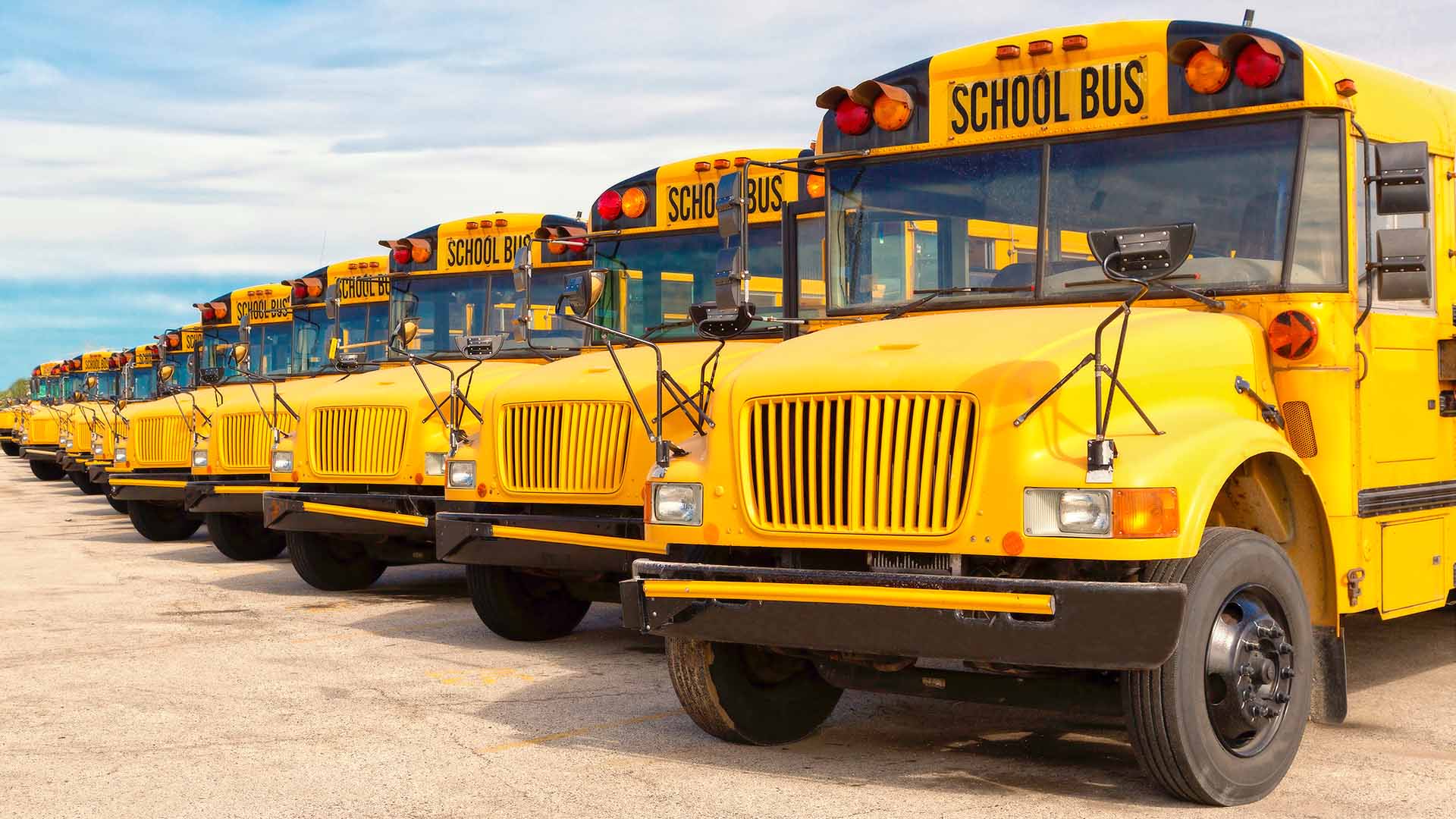
- School buses
Additional qualifications can expand the types of positions available to you and allow your career to evolve over time. Explore some of these options in our guide to CDL endorsements that pay the most.
Drivers interested in specialized Hazmat opportunities can also learn about Hazmat endorsement requirements.
Trucking Offers More Than Long-Haul Driving
When people picture a trucking career, they often imagine spending weeks at a time traveling across the country. That is one option, but it is far from the only one. CDL holders work in industries including:
- Freight and logistics
- Construction
- Manufacturing
- Public transportation
- School transportation
- Delivery services
- Specialized hauling
Class B CDL opportunities can be particularly relevant for drivers interested in straight trucks, buses, and other commercial vehicles rather than traditional tractor-trailers.
If you’re unsure which license matches the career you want, our guide to choosing the right CDL can help explain the differences.
Training Can Build Confidence Behind the Wheel
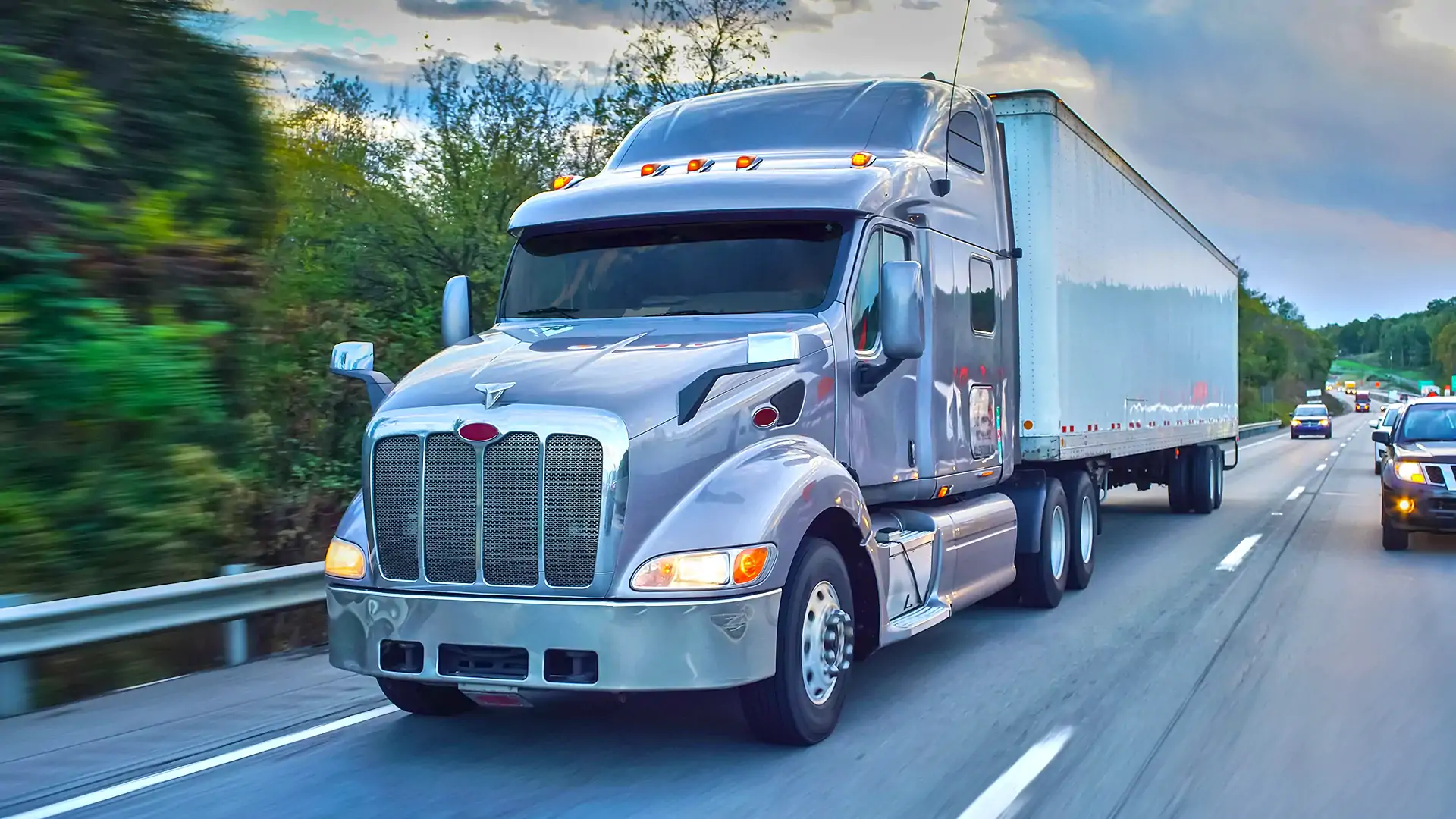
Driving a commercial vehicle for the first time can feel intimidating regardless of who you are. That is exactly why professional training matters.
Students gradually learn how to inspect, maneuver, back, and operate commercial vehicles while developing the safety habits expected of professional drivers. Confidence does not have to exist before you start CDL school. It develops through instruction, repetition, and experience.
At C1, training is designed to help prepare students for more than test day. Learn more about how C1 prepares students for real-world trucking.
Safety Matters for Every Professional Driver
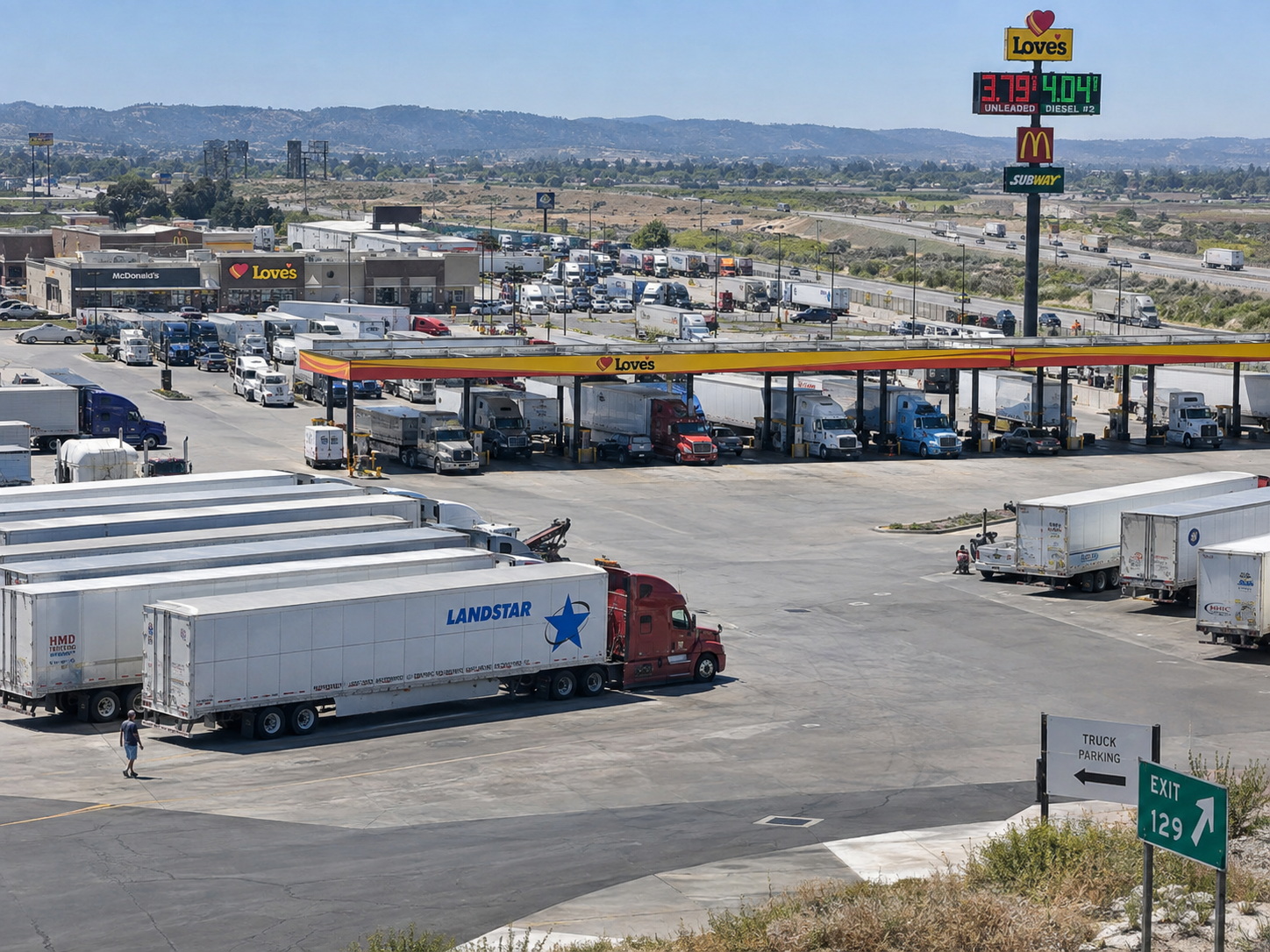
Women considering trucking sometimes have additional questions about personal safety, particularly when thinking about OTR careers and overnight travel. Regardless of gender, drivers should develop strong habits around:
- Situational awareness
- Safe parking
- Vehicle security
- Trip planning
- Communication
- Choosing reputable carriers
Understanding a carrier’s safety policies, equipment, routes, home-time expectations, and support systems should be part of evaluating any job opportunity.
Our truck stop safety tips provide additional guidance for life on the road.
Finding the Right Carrier Matters
Your experience in trucking can vary considerably depending on the employer you choose. When evaluating your first job, look beyond the advertised pay rate. Consider factors such as:
- Home time
- Route type
- Equipment
- Benefits
- Training and mentorship
- Safety expectations
- Pet and rider policies
- Tuition assistance
- Opportunities for advancement
Learning how to evaluate these details can help new drivers find positions that better match their priorities. Read our guide on how to read trucking job listings before beginning your job search.
More Women Are Finding Their Place Behind the Wheel
There is no single type of person who can build a successful trucking career. Professional driving requires responsibility, good judgment, safety awareness, adaptability, and a willingness to learn. Those qualities are not defined by gender.
For women looking for a skilled career with multiple paths, opportunities to work independently, and room to continue growing, earning a CDL can open the door to an industry they may not have previously considered.
If you’re ready to explore what a trucking career could look like, browse C1 Truck Driver Training locations and programs or connect with the C1 admissions team to learn more about getting started.
The trucking industry needs skilled professional drivers. More women are discovering that there is a place for them behind the wheel, too.