CDL Jobs for Veterans: Career Paths After Military Service
Transitioning from military service into a civilian career can feel like a major change, but many of the skills veterans develop during their service translate naturally into professional truck driving.
Discipline, responsibility, situational awareness, equipment experience, logistics knowledge, and the ability to work independently are all valuable in the transportation industry. For veterans looking for a career that doesn't require years of additional schooling, earning a Commercial Driver's License can provide a relatively quick path into a new profession.
Here's what veterans should know about CDL training, trucking careers, and companies that actively support former service members.
Why Trucking Can Be a Good Career for Veterans
Military service teaches skills that can transfer well into professional driving. Truck drivers are responsible for expensive equipment, valuable freight, safety decisions, schedules, documentation, and navigating changing conditions on the road.
Veterans may already have experience with responsibilities such as:
- Operating or maintaining equipment
- Following detailed procedures
- Working independently
- Managing schedules and deadlines
- Maintaining situational awareness
- Prioritizing safety
- Working under pressure
- Communicating with a team
- Adapting to changing conditions
- Completing inspections and documentation
Not every veteran enters trucking with vehicle or transportation experience, and that's okay. CDL training is designed to teach new drivers the skills required to operate commercial vehicles safely.
How Long Does It Take to Get a CDL After Military Service?
One advantage of CDL training is that it can provide a faster path into a civilian career than many traditional education programs.
Depending on the license and training schedule you choose, CDL school can often be completed in a matter of weeks rather than years. During training, students learn skills such as:
- Commercial vehicle inspections
- Basic vehicle control
- Backing maneuvers
- On-road driving
- Safety procedures
- Federal regulations
If you're starting your research, our step-by-step guide to getting a CDL explains the process from beginning to end. You can also learn more about what a CDL student's day looks like during training.
Should Veterans Get a Class A or Class B CDL?
The right CDL depends on the type of driving career you want to pursue.
Class A CDL: A Class A CDL is commonly associated with tractor-trailers and provides access to many local, regional, and over-the-road trucking careers.
Class B CDL: A Class B CDL can qualify drivers to operate certain straight trucks, buses, delivery vehicles, dump trucks, and other commercial vehicles.
Veterans interested in traditional tractor-trailer careers will typically pursue a Class A CDL, while those interested in other commercial vehicles may find that a Class B CDL better matches their goals.
Our guide on which CDL license you need can help you compare the two options.
What Trucking Careers Are Available to Veterans?
Earning a CDL can open the door to several types of professional driving careers. Your options will depend on your license, endorsements, experience, location, and individual employer requirements.
Over-the-Road Trucking
Over-the-road, or OTR, drivers typically travel long distances and may spend extended periods away from home. Veterans who are comfortable with travel, changing environments, and working independently may find this type of driving appealing.
Regional Trucking
Regional drivers generally operate within a specific part of the country. These positions can provide a balance between longer-distance driving and more predictable home time.
Local Trucking
Local driving positions generally operate within a smaller geographic area and may allow drivers to return home each day. These opportunities can appeal to veterans who want to remain closer to home after military service.
If you're comparing these options, our guide to local vs. OTR trucking jobs explains some of the major differences.
Specialized Trucking
As you gain experience and additional qualifications, you may be able to pursue specialized trucking careers involving Hazmat, tanker vehicles, passenger transportation, or other types of commercial driving.
Our guide to CDL endorsements can help you explore some of these career paths.
Veteran-Friendly Trucking Companies Can Help With the Transition
Choosing your first carrier is an important part of beginning a trucking career after military service. Some trucking companies have developed dedicated veteran programs designed to recognize military experience and help service members transition into civilian transportation careers.
Three carriers veterans may want to explore are Werner Enterprises, Total Transportation, and Stevens Transport. For veterans comparing Werner, Total Transportation, Stevens Transport, or other carriers, veteran programs are worth considering alongside factors such as pay structure, home time, routes, equipment, benefits, tuition assistance, and long-term career opportunities.
If you're ready to learn more, explore C1 Truck Driver Training programs and locations or connect with C1 Admissions to discuss CDL training, funding options, and your next steps after military service.
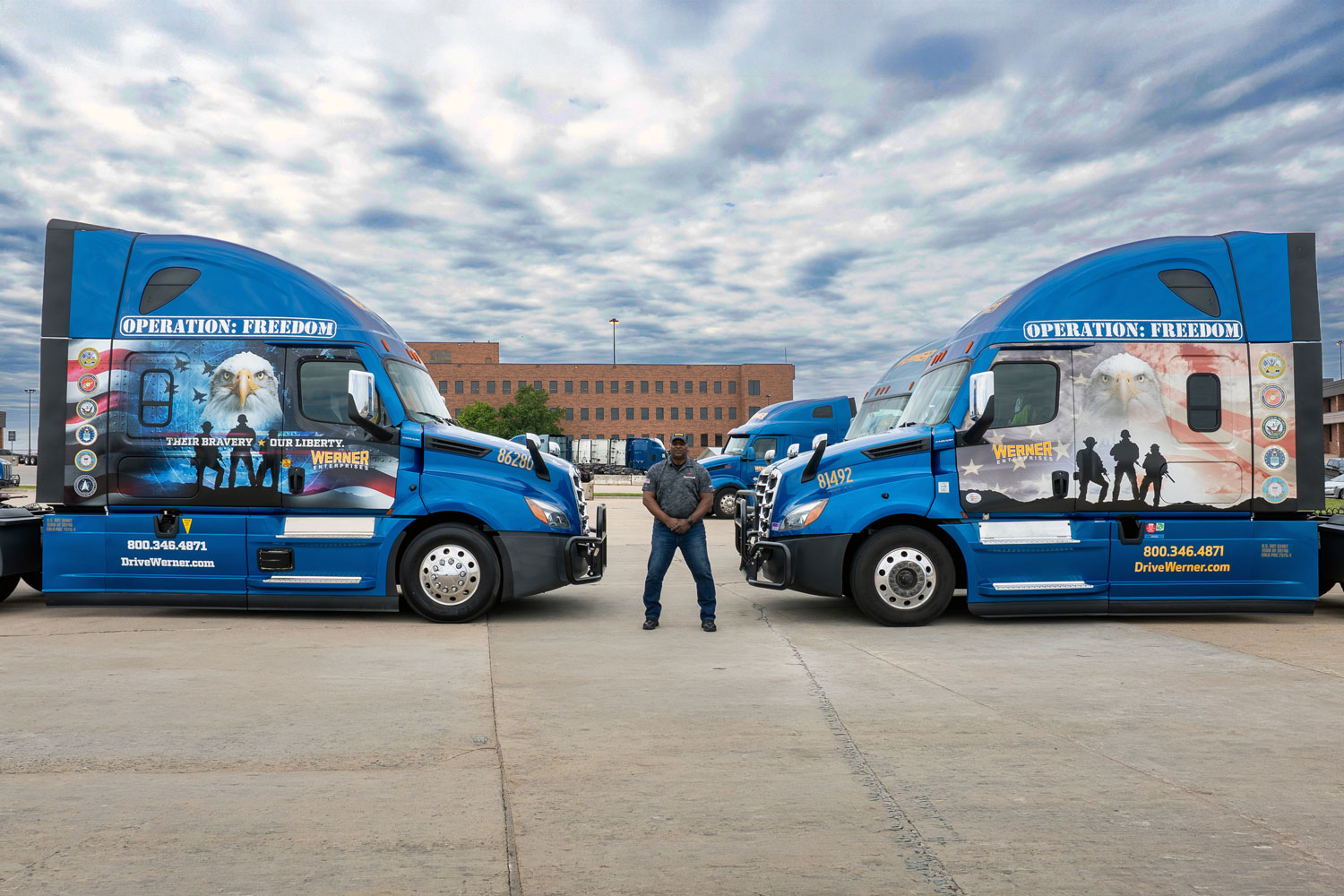
Werner Enterprises: Veteran Truck Driving Opportunities
Werner Enterprises has a dedicated veterans program and has made recruiting military veterans and transitioning service members an important part of its workforce initiatives. For veterans entering trucking, a carrier with an established military program may provide resources specifically designed around the transition from military service into a civilian driving career.
Depending on the program and individual eligibility, veteran-focused opportunities may include support for transitioning service members, recognition of applicable military experience, training resources, or other military-focused benefits. Veterans interested in Werner should review the carrier's current veterans program requirements and available opportunities directly to determine what options apply to their individual situation.
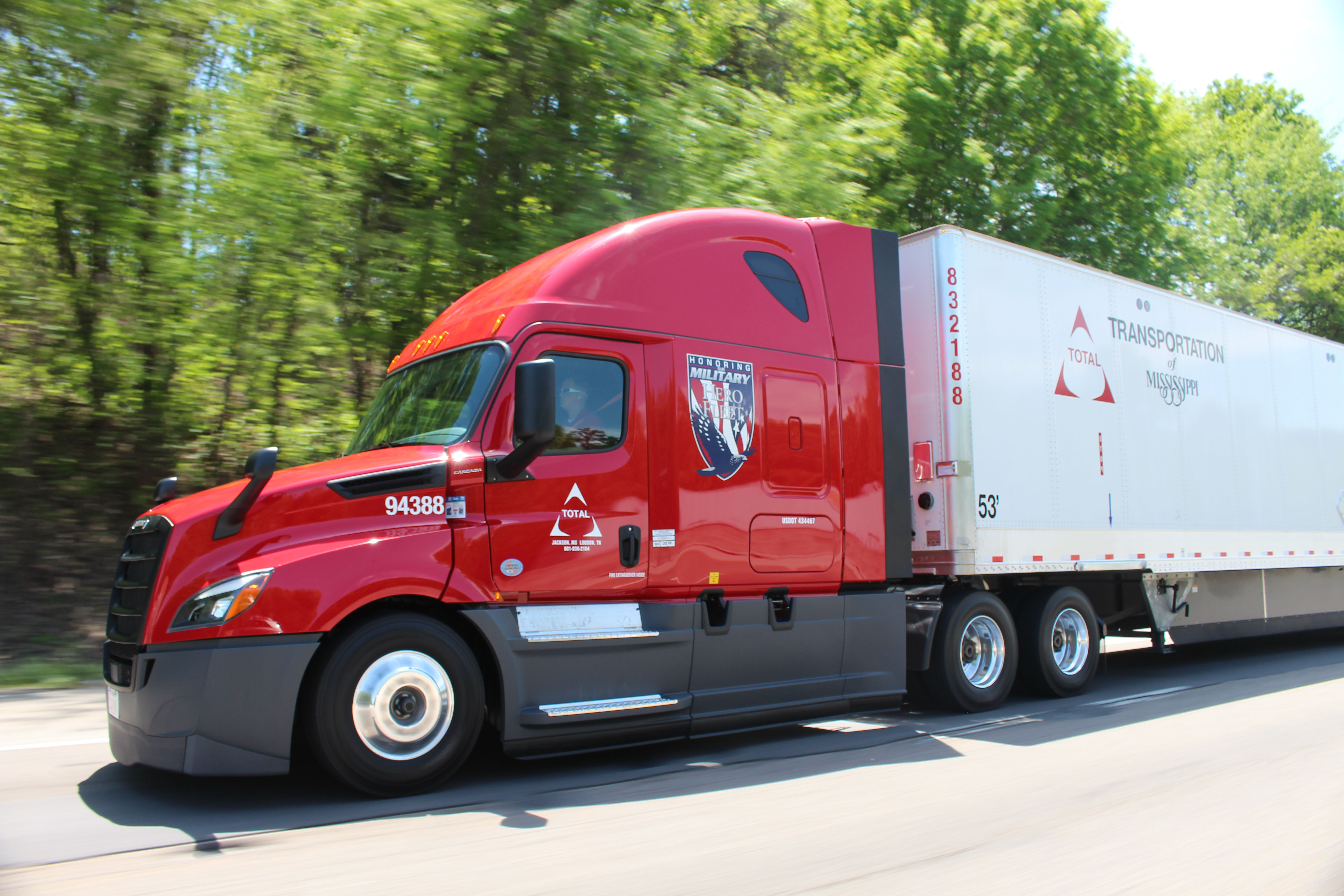
Total Transportation: Supporting Veterans in Trucking
Total Transportation is another carrier with opportunities specifically relevant to veterans. C1 has worked with Total Transportation to highlight how military experience can translate into a professional driving career and the resources available to veterans entering the trucking industry.
Learn more about veteran opportunities at Total Transportation.
Stevens Transport: Military Veterans Program
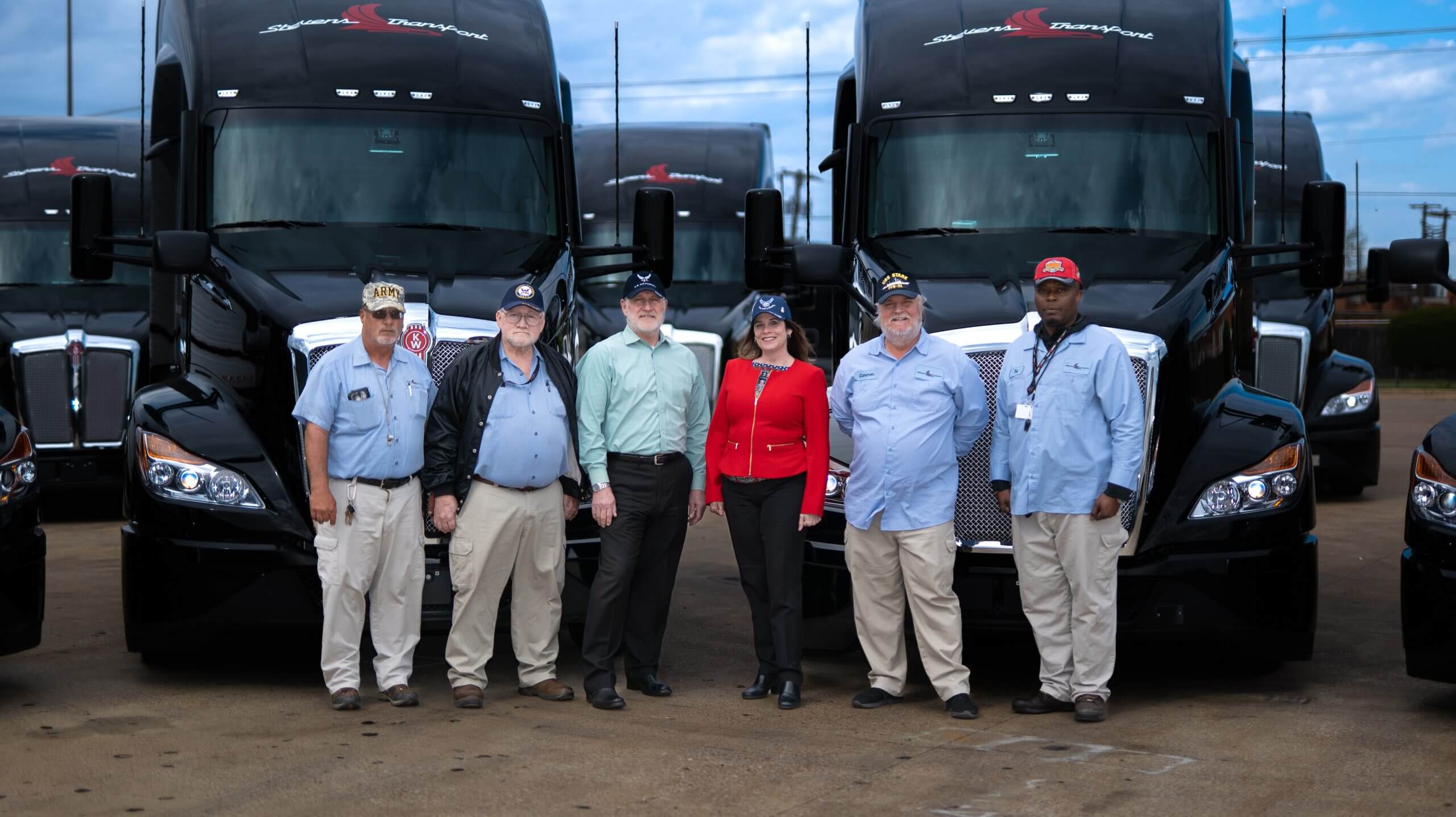
Stevens Transport also offers a dedicated Military Veterans Program for veterans interested in transitioning into professional truck driving. Programs designed specifically for former service members can help bridge the gap between military and civilian careers while providing a pathway into the transportation industry. Veterans interested in Stevens Transport should explore the company's current military program, driver opportunities, and eligibility requirements to determine whether the carrier aligns with their career goals.
Your Military Experience May Strengthen Your Truck Driver Resume
Even if your Military Occupational Specialty wasn't related to transportation, don't overlook the skills you gained during your service. Your professional driver resume can highlight transferable experience such as:
- Leadership
- Safety compliance
- Equipment inspections
- Logistics
- Documentation
- Time management
- Route planning
- Mechanical knowledge
- Teamwork
- Independent decision-making
- Experience working under pressure
Veterans with transportation or heavy equipment experience should also clearly identify relevant responsibilities without assuming a civilian recruiter will understand military terminology. Translate your experience into language that makes sense to a trucking employer.
Our guide on how to build a professional driver resume can help you organize your CDL qualifications and previous experience.
Can Veterans Get Help Paying for CDL Training?
Potentially. The options available to veterans can depend on the individual, training program, eligibility requirements, and available benefits.
Veterans considering CDL school should explore all funding options available to them before deciding how to pay for training. Depending on your circumstances, options may include veteran education benefits, workforce programs, financing, employer assistance, or carrier tuition assistance.
Some trucking carriers offer shared-cost tuition assistance or reimbursement programs that help eligible drivers pay down their CDL training costs after they begin working. Our guide to sponsored CDL training with a carrier explains how these programs can work.
Because funding eligibility varies, contact the C1 admissions team to discuss your individual situation and available options.
CDL Endorsements Can Expand Your Career Options
Your first trucking job doesn't have to determine the rest of your career. As you gain experience, you can continue developing your qualifications and pursue different types of commercial driving. Depending on your goals, that may mean earning endorsements such as:
- Hazardous Materials (H)
- Tanker (N)
- Hazmat/Tanker Combination (X)
- Passenger (P)
- School Bus (S)
For example, veterans interested in specialized freight may consider completing Hazmat endorsement training. Continuing to build your qualifications can give you more flexibility as your career goals change.
What Should Veterans Look for in a Trucking Company?
Veteran programs can be valuable, but they are only one part of evaluating a potential employer. Before accepting a driving position, consider the complete opportunity. Look at factors such as:
- Local, regional, or OTR routes
- Expected home time
- Solo or team driving
- Pay structure
- Benefits
- Equipment
- Safety culture
- Training and mentorship
- Tuition assistance
- Veteran-specific resources
- Opportunities for advancement
The right carrier depends on what you want from your post-military career. Our guide on how to read trucking job listings can help you compare opportunities and understand what employers are offering.
Turn Your Military Experience Into Your Next Career
Leaving military service doesn't mean leaving behind the skills, discipline, and experience you developed while serving. Trucking offers an opportunity to apply many of those strengths in a new environment while building a civilian career with multiple paths for growth.
Whether you're interested in local routes, regional freight, OTR trucking, or specialized transportation, earning your CDL can be the first step toward a new professional direction. Carriers with strong veteran programs, including Werner Enterprises, Total Transportation and Stevens Transport, can also provide opportunities worth exploring as you make the transition.
If you're ready to learn more, explore C1 Truck Driver Training programs and locations or connect with C1 Admissions to discuss CDL training, funding options, and your next steps after military service.