CDL Training FAQs: Everything New Students Ask
Starting CDL training comes with a lot of questions. How long does CDL school take? Should you get a Class A or Class B CDL? What if you have something on your driving record? How do you pay for training? And what actually happens when it's time to take your CDL test?
Whether you're just beginning to research truck driving school or you're getting ready to enroll, we've answered some of the most common CDL training FAQs below.
What Is a CDL?
A Commercial Driver's License, or CDL, is required to operate certain commercial motor vehicles in the United States. The type of CDL you need depends on the vehicle you plan to operate and the career you want to pursue. Most new students considering professional truck driving are choosing between a Class A and Class B CDL.
If you're starting from the beginning, our guide on how to get a CDL walks through the process step by step.
What's the Difference Between a Class A and Class B CDL?
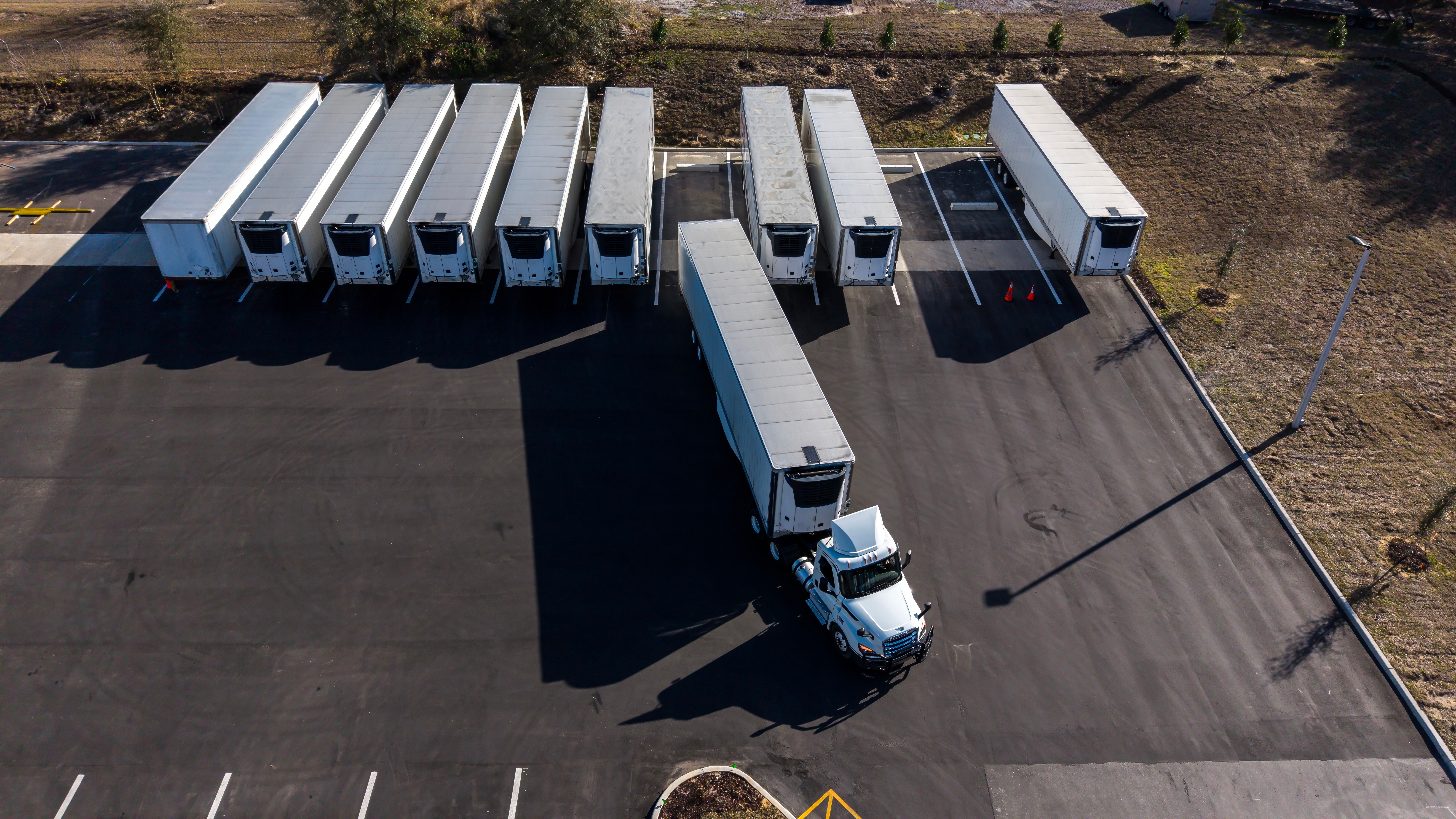
A Class A CDL generally allows you to operate combination vehicles with a gross combination weight rating (GCWR) of 26,001 pounds or more, provided the vehicle being towed has a gross vehicle weight rating (GVWR) of more than 10,000 pounds. This is the license commonly associated with tractor-trailers and many long-haul, regional, and local trucking careers.
A Class B CDL generally allows you to operate a single vehicle with a GVWR of 26,001 pounds or more, or a qualifying vehicle towing a vehicle weighing 10,000 pounds or less. Class B careers can include straight trucks, dump trucks, certain delivery vehicles, buses, and other commercial vehicles.
The right license depends on what you ultimately want to drive. Our Class A vs. Class B CDL guide provides a more detailed comparison.
How Long Does CDL Training Take?
The length of CDL training depends on the license, program, and schedule you choose. C1 offers training options designed to accommodate different career goals and schedules.
Class A CDL Training: Full-time Class A training can typically be completed in approximately four weeks.
Class B CDL Training: Class B training is generally shorter than Class A training because students are learning to operate a different category of commercial vehicle.
Weekend CDL Training: For students who cannot attend CDL school during a traditional weekday schedule, weekend training options may be available. These programs spread training across a longer calendar period while allowing students to continue working or managing other responsibilities during the week.
Program schedules and availability can vary by location, so it's best to speak with the C1 admissions team about current Class A, Class B, and weekend CDL training options.
What Is ELDT?
Entry-Level Driver Training, or ELDT, is a set of federal training requirements for certain first-time CDL applicants and drivers pursuing specific endorsements. ELDT requirements apply to drivers seeking:
- A Class A CDL for the first time
- A Class B CDL for the first time
- An upgrade from Class B to Class A
- Certain CDL endorsements
ELDT includes theory and, when applicable, behind-the-wheel training that must be completed through an eligible training provider. Our complete guide to Entry-Level Driver Training explains how the process works.
What CDL Endorsements Can I Get?
CDL endorsements allow qualified drivers to operate certain vehicles or transport specialized cargo. Depending on your career goals, you may consider endorsements such as:
- Hazardous Materials (H): For transporting certain placarded hazardous materials
- Tanker (N): For operating qualifying tank vehicles
- Hazmat/Tanker (X): A combination of Hazmat and Tanker qualifications
- Passenger (P): For operating qualifying passenger vehicles
- School Bus (S): For operating qualifying school buses
Some endorsements have additional training, testing, or federal requirements. You can learn more in our guide to CDL endorsements, explore Hazmat endorsement training, or learn about Passenger endorsement training.
Do I Need Truck Driving Experience Before Starting CDL School?
No. CDL training is designed for students who are learning how to operate commercial vehicles. You do not need previous professional truck driving experience before enrolling. During training, students build foundational skills such as vehicle inspections, backing, maneuvering, basic vehicle control, road driving, and safe commercial vehicle operation.
If you're nervous about arriving with no experience, our guide to what to expect on your first day of CDL school can help you prepare.
What Are the Requirements to Get a Truck Driving Job?
Requirements vary by employer, position, equipment, and type of freight. Carriers may consider factors such as:
- The class of CDL you hold
- Required endorsements
- Driving history
- Employment history
- Age and experience requirements
- Medical qualifications
- Background checks
- Drug and alcohol testing
- The carrier's insurance requirements
Earning your CDL qualifies you to pursue commercial driving opportunities, but it does not guarantee eligibility for every trucking position or employer. C1 and Driver Solutions can help students better understand what employers may be looking for as they prepare to enter the industry.
Can I Get a CDL With Tickets or Accidents on My Driving Record?
Potentially. Having tickets, accidents, or other issues on your driving record does not necessarily mean you cannot pursue CDL training or a professional driving career. However, eligibility requirements can vary significantly by employer.
Carriers may evaluate the type of violation, severity, how recently it occurred, your overall driving history, and their own hiring or insurance requirements.
Because every situation is different, the best approach is to be upfront about your driving history and speak with our team about your individual circumstances. We can help you better understand potential next steps before you invest time and money into CDL training.
Do I Need a Perfect Driving Record to Become a Truck Driver?
No. A perfect driving record is not necessarily required to become a professional truck driver. However, serious or repeated violations can affect employment opportunities, and every carrier establishes its own hiring standards.
If you're concerned about something on your record, talk with the C1 team before assuming it automatically disqualifies you.
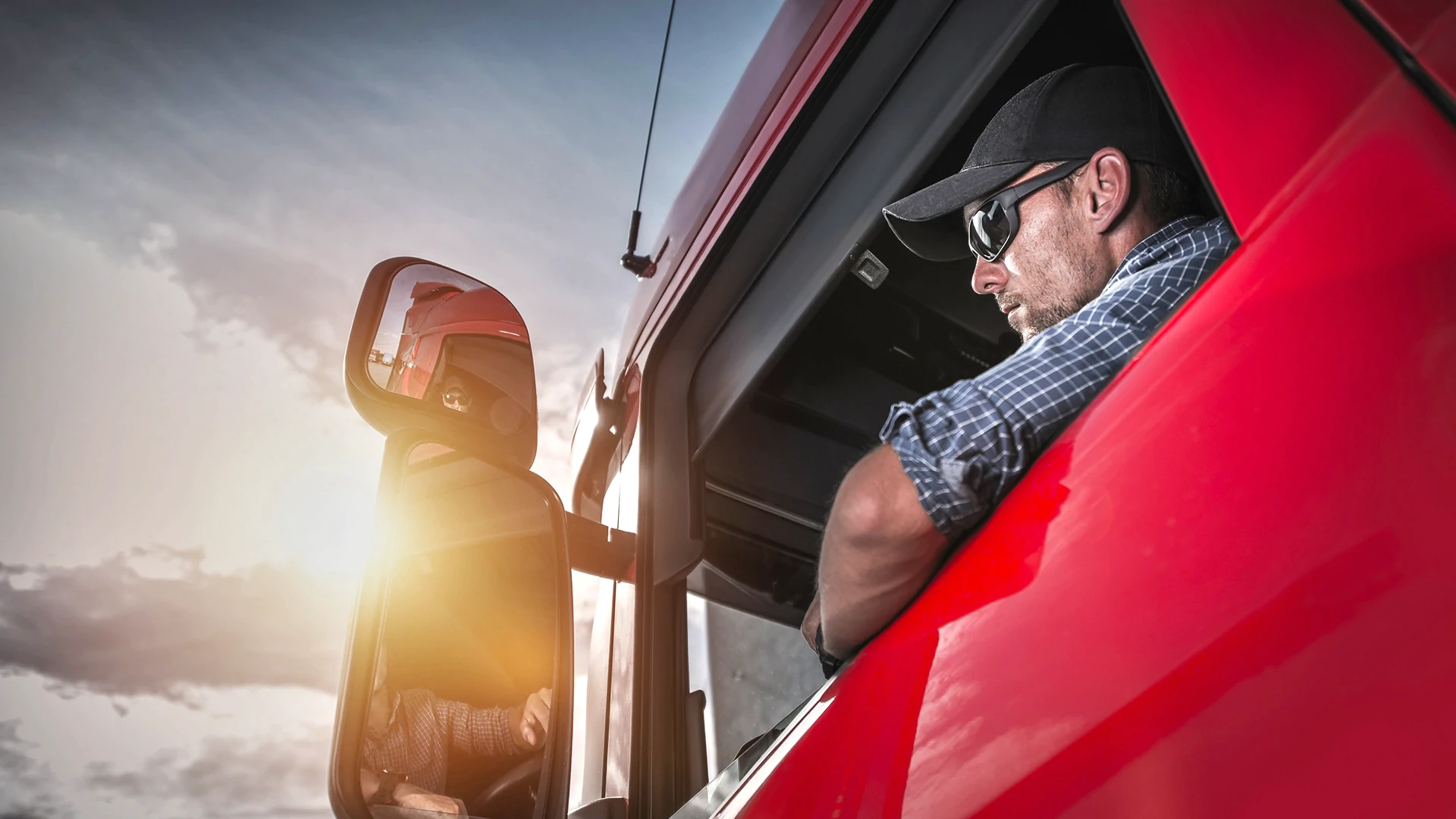
Can a Trucking Company Help Pay for My CDL Training?
There may be opportunities for trucking carriers to help with the cost of CDL training. Many carriers offer shared-cost tuition assistance or reimbursement programs for qualifying drivers. These programs can help reduce the amount students ultimately pay for training.
Depending on the program, a carrier may provide loan repayment assistance over time as you continue your employment. Staying with the carrier longer may allow you to take advantage of more of the available assistance and pay down your training costs faster.
These programs are not the same as being paid to attend CDL school. In most cases, students are not employees earning wages while completing their initial CDL training. Learn more in our guide to sponsored CDL training with a carrier.
How Can I Pay for CDL Training?
CDL training payment options can vary depending on the student, program, location, and available funding. Potential options may include:
- Self-pay
- Financing options
- Carrier tuition assistance or reimbursement
- Workforce development programs
- Employer-sponsored training
- Other qualifying funding programs
The best option depends on your circumstances and eligibility. Instead of assuming CDL school is out of reach because of the upfront cost, talk with C1 Admissions about available payment and funding options.
Understanding the Reality Behind Trucking Careers
Like any profession, trucking comes with challenges. However, many of the common myths surrounding the industry simply don't reflect the reality of modern commercial driving. Today's trucking industry offers:
- Diverse career paths
- Specialized opportunities
- Modern technology
- Multiple scheduling options
- Strong demand for qualified drivers
For individuals looking for a practical career path with opportunities for growth, trucking continues to be an attractive option.
If you're ready to learn more about CDL training opportunities, visit C1 Truck Driving Schools.
Or connect with admissions here: C1 Admissions.
The best way to understand the trucking industry is to look beyond the myths and explore what the profession actually offers. For many drivers, the reality is far more rewarding than the stereotypes suggest.
Do I Have to Take My CDL Test at the Same Place I Train?
Not necessarily.
Where you complete your CDL skills test depends on state procedures and available testing facilities. Some states use state-operated testing locations, while others authorize approved third-party CDL examiners.
Your training team can explain what the testing process looks like for your specific location.
What Happens If I Don't Pass My CDL Test the First Time?
Not passing a portion of the CDL skills test on your first attempt does not necessarily mean the end of your CDL journey. Retesting policies, waiting periods, fees, and which portions of the test must be repeated vary by state and testing situation.
The goal of CDL training is to help you develop the knowledge and behind-the-wheel skills necessary to safely operate a commercial vehicle, not simply memorize enough information to pass an exam.
Can I Get My CDL While Working a Full-Time Job?
Potentially, especially if a weekend CDL training program is available at your location. Weekend programs can provide an alternative for students who cannot step away from their current job for several weeks of weekday training.
Because weekend CDL training takes place on a different schedule, it may take longer to complete than an intensive weekday program. Contact C1 Truck Driver Training to ask about current weekend program availability and schedules.
How Do I Choose a CDL School?
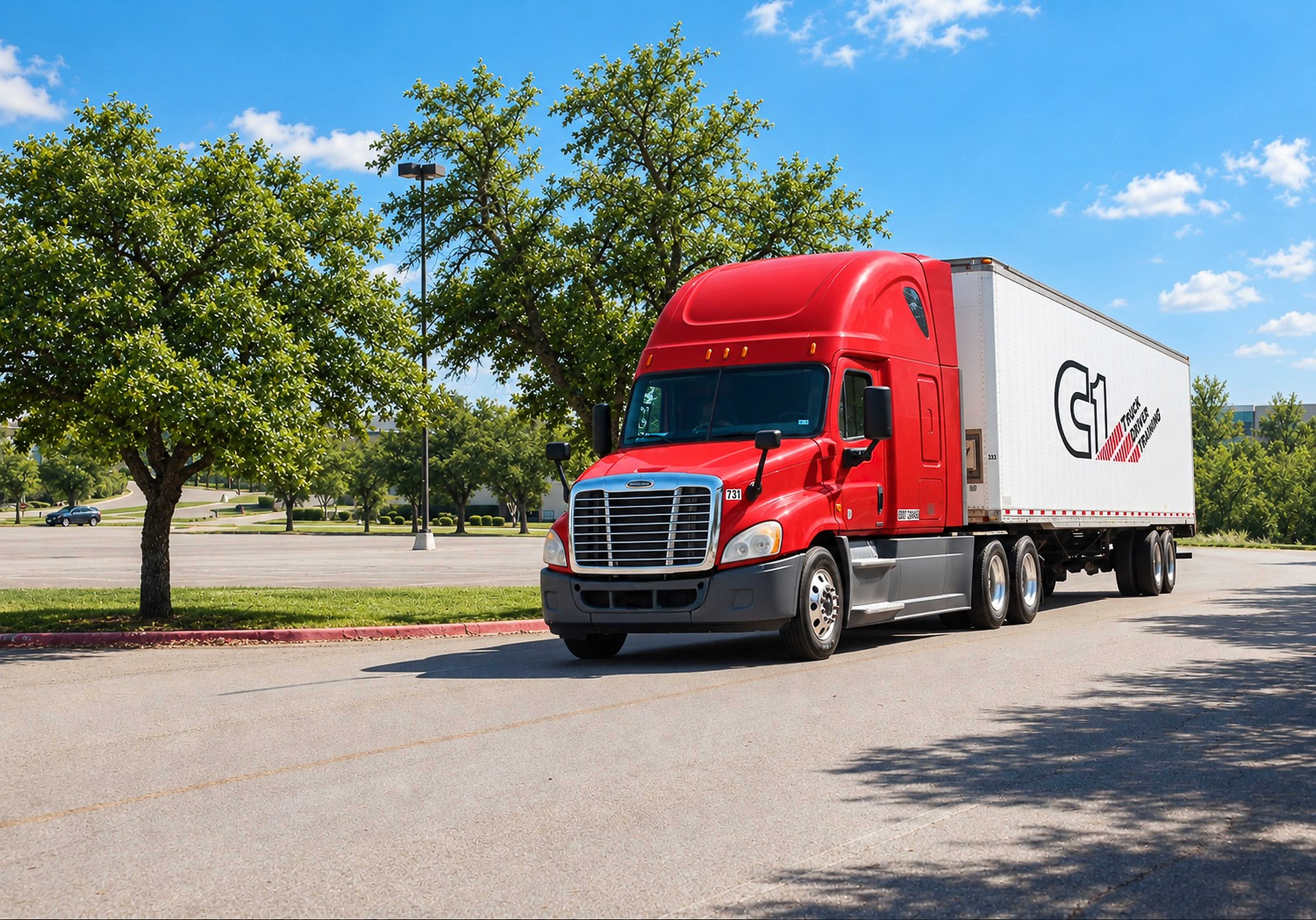
Choosing the right CDL school is an important part of starting your career. Look for a school that provides structured training, qualified instructors, appropriate equipment, behind-the-wheel experience, and clear information about costs, schedules, and what happens after graduation.
You should also understand exactly what type of CDL you're training for and whether the program meets applicable ELDT requirements. Our guide to choosing the right CDL school covers the questions prospective students should ask before enrolling.
What Happens After I Graduate From CDL School?
After completing your training and earning your CDL, the next step is beginning your professional driving career. The opportunities available to you will depend on factors such as your license, endorsements, location, driving record, employer requirements, and the type of trucking you want to pursue.
Some graduates may pursue over-the-road positions, while others prefer regional or local routes. You may also decide to add endorsements or pursue specialized driving opportunities as you gain experience. If you're comparing career paths, start with our guide to local vs. OTR trucking jobs.
Ready to Start CDL Training?
There is a lot to consider before starting CDL school, but you don't have to figure out every part of the process on your own. From choosing between a Class A and Class B CDL to understanding training schedules, funding options, employer requirements, endorsements, and testing, the C1 team can help you understand what your path may look like.
Explore C1 Truck Driver Training locations and programs or contact our admissions team to discuss your goals, driving history, training options, and next steps toward earning your CDL.