How to Build a Professional Driver Resume
Whether you're applying for your first trucking job after CDL school or looking for a new opportunity after years on the road, a strong resume can help you clearly communicate your qualifications to potential employers.
A professional truck driver resume doesn't need to be complicated. It should make it easy for recruiters and hiring managers to quickly understand what type of CDL you hold, what endorsements you've earned, your driving experience, and the skills you can bring to the job.
Here's how to build a professional driver resume that highlights the qualifications trucking employers are looking for.
Start With Your Contact Information
Your resume should begin with basic contact information so employers can easily reach you. Include:
- Your full name
- Phone number
- Professional email address
- City and state
You generally don't need to include your full street address. Your city and state are usually enough to give employers an idea of where you're located.
Clearly List Your CDL Class
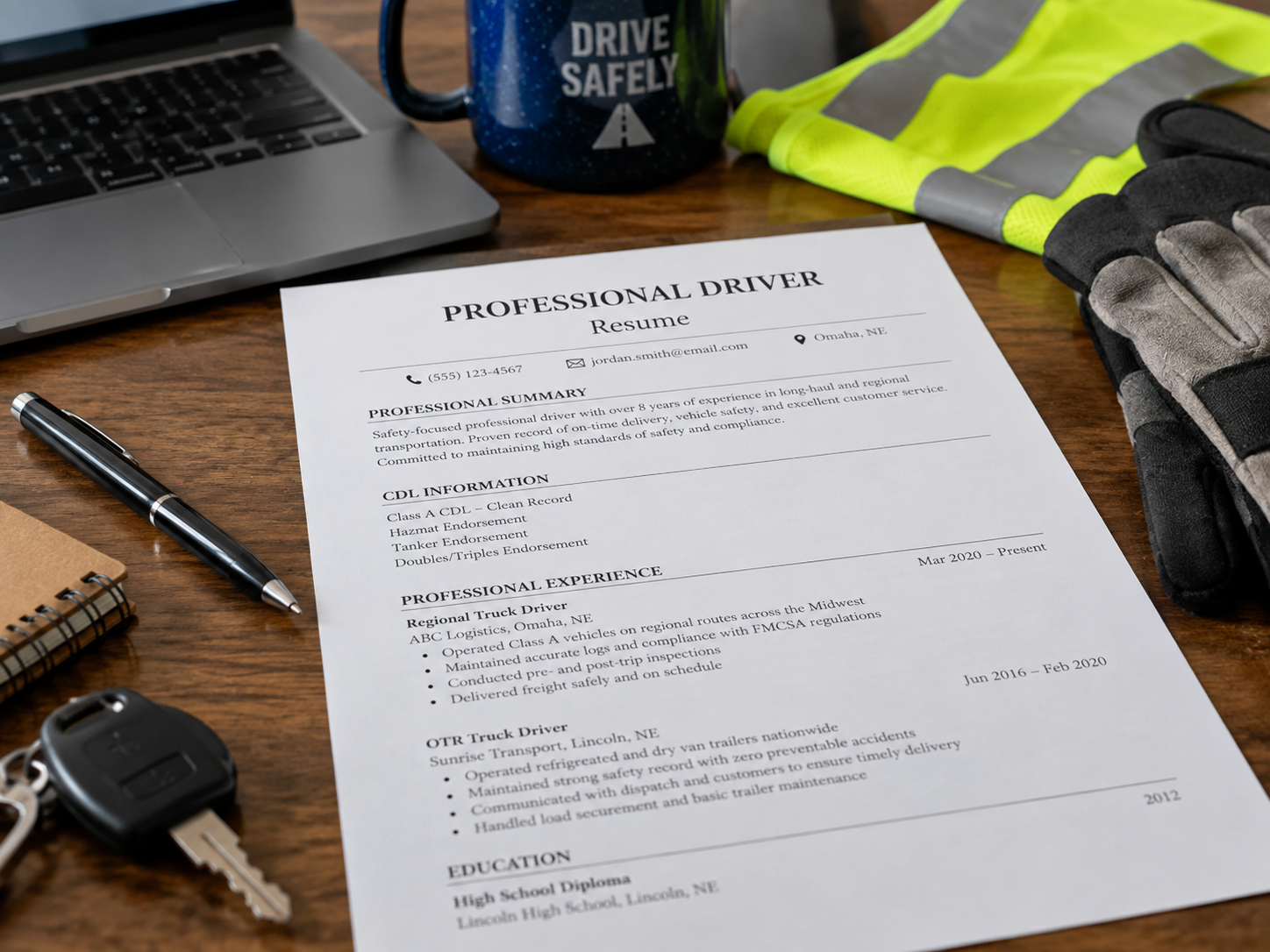
Your CDL is one of the most important qualifications on your resume, so don't make an employer search for it. Clearly state whether you hold a Class A or Class B CDL near the top of your resume.
For example:
Commercial Driver's License: Class A CDL
If you're still deciding which license fits your career goals, review the differences between Class A vs. Class B CDLs.
Include Your CDL Endorsements
Endorsements can qualify you for specialized driving opportunities, so make sure they're easy to find. Depending on your qualifications, these might include:
- Hazardous Materials (H)
- Tanker (N)
- Hazmat/Tanker Combination (X)
- Passenger (P)
- School Bus (S)
Only list endorsements you currently hold. If you're actively working toward an endorsement, you may note that separately, but don't present it as a completed qualification.
Drivers interested in expanding their qualifications can learn more about CDL endorsements and specialized driving opportunities.
Write a Short Professional Summary
A professional summary gives employers a quick overview of who you are as a candidate. Keep this section short, usually two or three sentences.
A new CDL graduate might write something like:
Recent Class A CDL graduate with hands-on training in vehicle inspections, backing maneuvers, basic vehicle control, and on-road driving. Safety-focused, dependable, and prepared to begin a professional driving career.
An experienced driver might highlight years of experience, route types, endorsements, or specialized freight.
The goal is not to tell your entire career story. Give the employer a quick reason to continue reading.
Highlight Your CDL Training
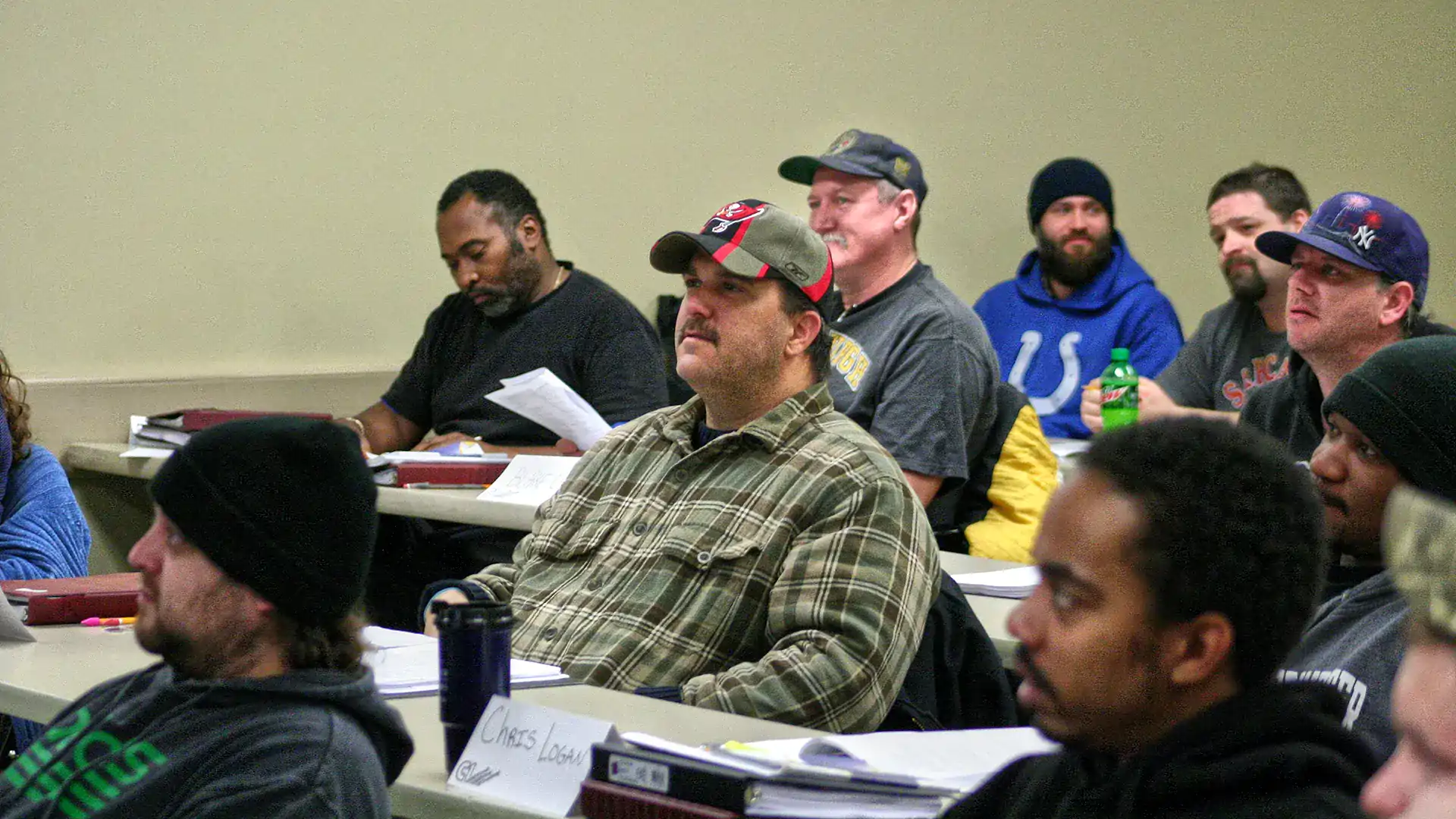
If you're a new driver without professional trucking experience, your CDL training should be a prominent part of your resume.
Include the name of your CDL school, the type of program you completed, and relevant skills you developed during training.
For example:
Class A CDL Training
C1 Truck Driver Training
- Completed Entry-Level Driver Training requirements
- Practiced pre-trip vehicle inspections
- Completed backing and basic vehicle control training
- Gained supervised on-road driving experience
- Trained in commercial vehicle safety procedures
If you're still preparing to enter the industry, learn more about how C1 prepares students for real-world trucking.
Highlight Transferable Skills From Previous Jobs
Your previous work experience can still matter even if you've never driven a truck professionally. Many skills from other industries translate well into trucking. Examples include:
- Safety awareness
- Dependability
- Time management
- Customer service
- Equipment operation
- Route planning
- Inventory management
- Documentation
- Problem solving
- Working independently
- Following procedures
- Communication
Someone coming from construction, manufacturing, warehousing, delivery, agriculture, the military, or another transportation-related field may have particularly relevant experience. But almost any job can demonstrate qualities an employer values.
Instead of focusing only on whether your previous title relates to trucking, think about the responsibilities you handled and how those skills could apply to professional driving.
Describe Your Professional Driving Experience Clearly
If you already have truck driving experience, make your work history specific. For each driving position, include your employer, job title, dates of employment, and a few bullets explaining your responsibilities. Relevant details might include:
- Local, regional, or OTR experience
- Tractor-trailer experience
- Types of freight hauled
- Equipment operated
- Endorsement-related experience
- Customer deliveries
- Vehicle inspections
- Electronic logging devices
- Safety responsibilities
Avoid turning your resume into a long description of every task you've ever completed. Focus on the experience that helps an employer understand what you're qualified to do.
Include Your Safety Experience
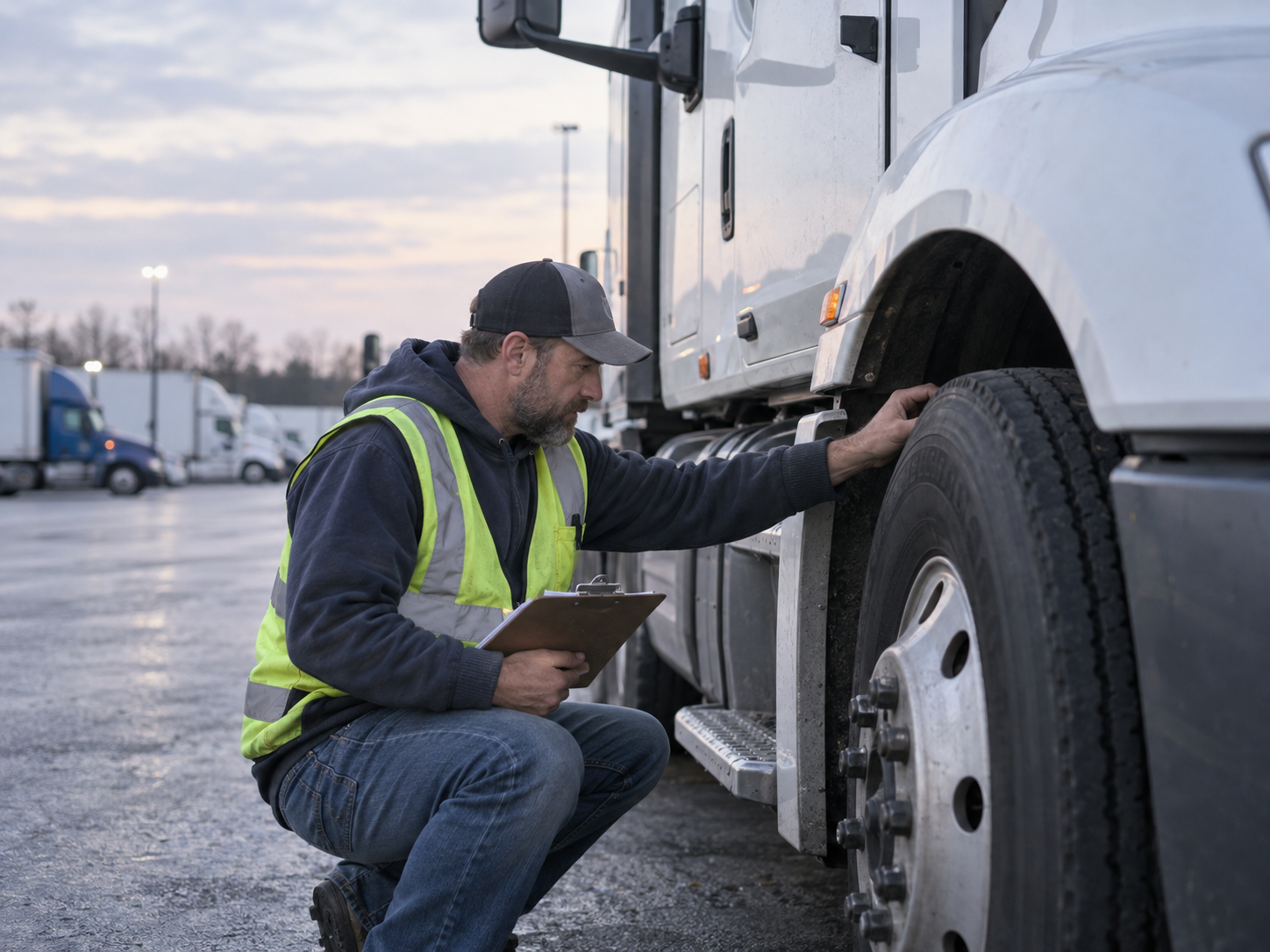
Safety is a major responsibility for every professional CDL driver. Your resume should reflect that. Depending on your experience, you may highlight familiarity with:
- Pre-trip and post-trip inspections
- Hours of Service requirements
- Electronic logging devices
- Defensive driving
- Cargo securement
- Safe backing procedures
- Vehicle condition reporting
- Company safety procedures
New drivers can reference safety training completed during CDL school rather than claiming professional experience they don't yet have. Reviewing CDL driver safety tips can also help reinforce some of the habits expected of professional drivers.
Tailor Your Resume to the Trucking Job
You don't necessarily need to completely rewrite your resume for every application, but you should pay attention to what each employer is requesting.
A tanker position may prioritize different qualifications than a dry van OTR job. A local delivery position may emphasize customer interaction and route experience, while a team driving opportunity may focus on long-distance operations and scheduling.
Read the job description carefully and make sure relevant qualifications are easy to find on your resume. Our guide on how to read trucking job listings can help you understand common terminology and what to look for when comparing positions.

Keep Your Truck Driver Resume Simple
A professional driver resume doesn't need an elaborate design. In fact, simple is usually better.
Use clear section headings, readable fonts, consistent formatting, and concise bullet points. Avoid graphics, complicated layouts, or unnecessary information that makes your qualifications harder to find.
A straightforward structure might include:
- Name and contact information
- Professional summary
- CDL class and endorsements
- Driving skills and qualifications
- Professional experience
- CDL training and education
- Relevant certifications
For most drivers, one page may be enough, particularly early in your career. Experienced drivers with a longer employment history may need additional space.
Proofread Before Applying
Small mistakes can make an otherwise professional resume look rushed. Before submitting your CDL resume, check:
- Spelling and grammar
- Phone number and email address
- Employment dates
- CDL class
- Endorsements
- Certification information
- Consistent formatting
Most importantly, make sure everything on your resume is accurate. Never claim an endorsement, certification, driving record, or level of experience you don't actually have.
What Should You Leave Off a CDL Driver Resume?
Your resume should focus on information relevant to your qualifications and professional experience. Generally, you don't need to include personal details such as your age, marital status, photograph, or unrelated personal information.
You also don't need to explain every detail of your driving history directly on your resume. Carriers have their own application, background, Motor Vehicle Record, and qualification processes. If you have concerns about your driving record or whether you may meet employer requirements, it's better to discuss your individual circumstances with a recruiter or admissions professional.
Requirements vary by employer, so don't automatically assume that something in your driving history prevents you from pursuing a trucking career. If you're considering CDL training and have questions about your personal situation, contact the C1 admissions team for guidance on possible next steps.
Keep Building Your Qualifications
Your truck driver resume can evolve throughout your career. As you gain professional driving experience, add endorsements, learn different equipment, or pursue specialized opportunities, update your resume to reflect those qualifications.
Continuing your education can also make your resume stronger over time. Our guide to ongoing education for CDL drivers explores ways professional drivers can continue developing their skills throughout their careers.
Build Your CDL Career From the Ground Up
A strong professional driver resume should make your qualifications easy to understand.
Clearly list your CDL, endorsements, training, relevant experience, safety skills, and employment history. If you're a new CDL graduate, don't worry about trying to make yourself sound like an experienced driver. Focus on the training you've completed, the skills you've developed, and the qualities you can bring to your first professional driving job.
If you're still working toward your CDL, explore C1 Truck Driver Training programs and locations or connect with C1 Admissions to learn more about training, funding options, and starting your career as a professional driver.